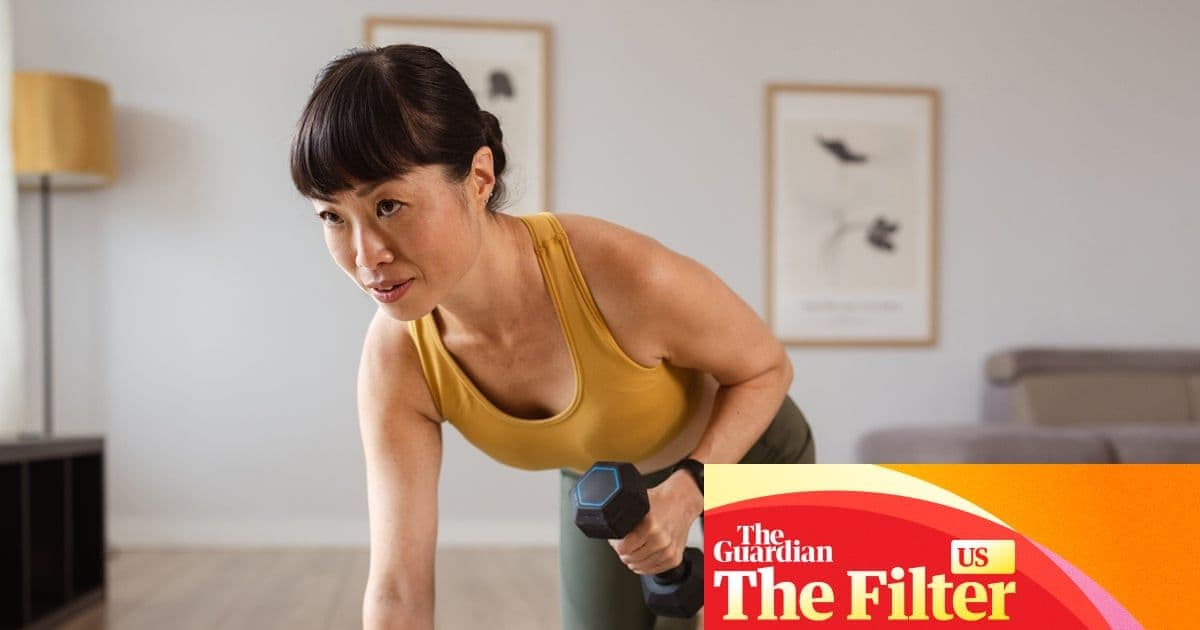
Strength Training After 40: Expert Advice From Female Trainers Who've Been There
Building muscle in midlife is challenging but transformative. Female trainers over 40 share exactly how to get started, stay safe, and feel stronger.

Why Strength Training Matters More Than Ever After 40
Here's an uncomfortable truth: muscle mass peaks well before most of us hit our stride in life. Starting around age 40, the body loses roughly 3% to 8% of muscle mass per decade — and after 50, that rate climbs even higher. This gradual muscle decline, clinically known as sarcopenia, means your body simply doesn't respond to physical effort the way it once did. Add perimenopause into the equation for many women, and building strength while bouncing back from workouts becomes a genuine challenge.
But here's the empowering flip side: it's absolutely worth doing anyway. Research consistently shows that combining aerobic activity with resistance training dramatically reduces the risk of nearly every major noncommunicable disease — including type 2 diabetes, cardiovascular disease, and even Alzheimer's. Leigh Breen, a skeletal muscle physiology and metabolism expert at Birmingham University, puts it plainly: even people who begin strength training late in life can significantly cut their disease risk in a relatively short period.
Beyond the health statistics, there's something deeply personal about getting stronger as you age. As Ann Marie Chaker, a professional bodybuilder and former Wall Street Journal reporter in her 40s, puts it: "Taking up space and putting on muscle is a beautiful thing."
To help women navigate this journey, we gathered insights from four female personal trainers and coaches — all aged 40 and over — who have built bestselling books, fitness platforms, and careers around helping women get stronger in midlife.
Meet the Experts
- Stephanie Gaudreau — Certified personal trainer and founder of Strong With Steph, a training program designed specifically for women over 40
- Ann Marie Chaker — Professional bodybuilder and author of Lift, a guide to weightlifting for women
- Caroline Idiens, age 54 — Founder of Caroline's Circuits and author of Fit at 50
- Kate Whetsel, age 51 — Certified personal trainer and health coach specializing in perimenopause
You Don't Need a Gym Membership or Fancy Equipment
One of the biggest myths about strength training is that you need expensive equipment or a gym to make progress. Our experts disagree entirely. Chaker recommends keeping a few sets of dumbbells at home — "stashed in a corner" — noting that you can accomplish a great deal with minimal gear. Her personal at-home sessions include barbell squats and walking lunges with dumbbells.
For those working with an even tighter budget, Gaudreau suggests getting creative with household objects. A backpack loaded with books, for instance, can serve as a surprisingly effective free weight for a range of exercises.
And remember: a recent study found that even adding five extra minutes of movement and reducing sitting time by just 30 minutes per day can contribute to a longer life. Small steps genuinely matter.
Resistance Bands: The Most Underrated Tool in Your Fitness Arsenal
If there's one piece of equipment our experts unanimously champion, it's the resistance band. Caroline Idiens goes so far as to call them "the most underrated fitness gadget" available. She favors sets that come in multiple resistance levels, are affordable, and easy to pack — ideal for anyone short on space, time, or budget. With the right band set, you can work your entire body without a single piece of heavy equipment.
Stick to the Fundamentals: Compound Movements Are Your Best Friend
None of the trainers we spoke to recommended jumping into complex Olympic-style lifts. Instead, they unanimously pointed beginners toward compound exercises — movements like squats and deadlifts that engage multiple muscle groups simultaneously. These foundational moves improve cardiovascular health, support flexibility, and build functional strength over time.
Kate Whetsel's advice for getting more from these basics? Slow everything down. "Slowing down the lowering portion of a squat or deadlift to a three-second count increases demand on the tissues and builds better body awareness," she explains. For an added core challenge, try pausing for up to three seconds at the midpoint of your movement.
Chaker also recommends always beginning each session with zero weight on the bar. This primes your nervous system, warms up your joints, and allows your body to rehearse the mechanics of each lift before adding any load.
How Many Reps Should You Do?
Whetsel recommends pushing through reps with good form until you feel you have only two or three left in the tank. This approach — known as finishing with "reps in reserve" (RIR) — ensures you're working hard enough to stimulate muscle growth without pushing into injury territory.
Modifications Are a Sign of Intelligence, Not Weakness
Starting fresh at any age requires humility, and midlife is no exception. "It can be hard to be a true beginner again. We need to set our ego aside and be bad at things," says Whetsel.
For the aches and joint stiffness that often accompany aging, exercise modifications aren't optional extras — they're smart training. Gaudreau recommends finding an appropriate entry point for every movement. For squats, that might mean squatting down to a bench first to control the range of motion and protect the knees.
If wrist discomfort makes standard push-ups painful, push-up handles can alleviate strain and provide shoulder stability. For those dealing with more significant mobility challenges or joint issues, working one-on-one with a certified personal trainer is a worthwhile investment that pays dividends in safety and progress.
Managing Perimenopause During Your Workouts
For women training in their 40s and 50s, perimenopause is an unavoidable part of the conversation. During this transition, reproductive hormones fluctuate unpredictably, often triggering symptoms like hot flashes that can make intense workouts uncomfortable.
Whetsel has practical strategies to keep discomfort at bay: sip ice water before and during your session, choose loose, moisture-wicking activewear, and train in a space with good airflow. Some of her clients also use instant cooling towels during warmer months for rapid temperature relief.
As estrogen levels decline with age, the body's ability to regulate stress hormones becomes less efficient. To help bring cortisol levels down after a tough session, Whetsel recommends calming breathwork techniques like box breathing — a method where you inhale, hold, exhale, and hold again, counting slowly to four at each stage — or a brief yoga flow.
Recovery Is Not Optional — It's Part of the Program
Pushing hard in the gym is only half the equation. How you recover determines how much you actually gain from that effort.
Chaker is unequivocal about sleep: "I try to get eight hours every night. It's the most important thing you can do for recovery, bar none." Quality sleep allows muscles to repair, hormones to regulate, and energy stores to replenish.
For physical soreness, several of our experts swear by Epsom salt baths. The warm water improves circulation and helps ease tight muscles, while the magnesium in the salts may support deeper, more restorative sleep — making it a doubly effective recovery tool.
The Bottom Line
Strength training in midlife isn't about chasing the physique of your twenties. It's about building a body that's resilient, capable, and healthy well into the decades ahead. Start simple, stay consistent, respect your body's changing needs, and don't be afraid to ask for help. The women who've done it — and who do it every day — are proof that it's never too late to get strong.