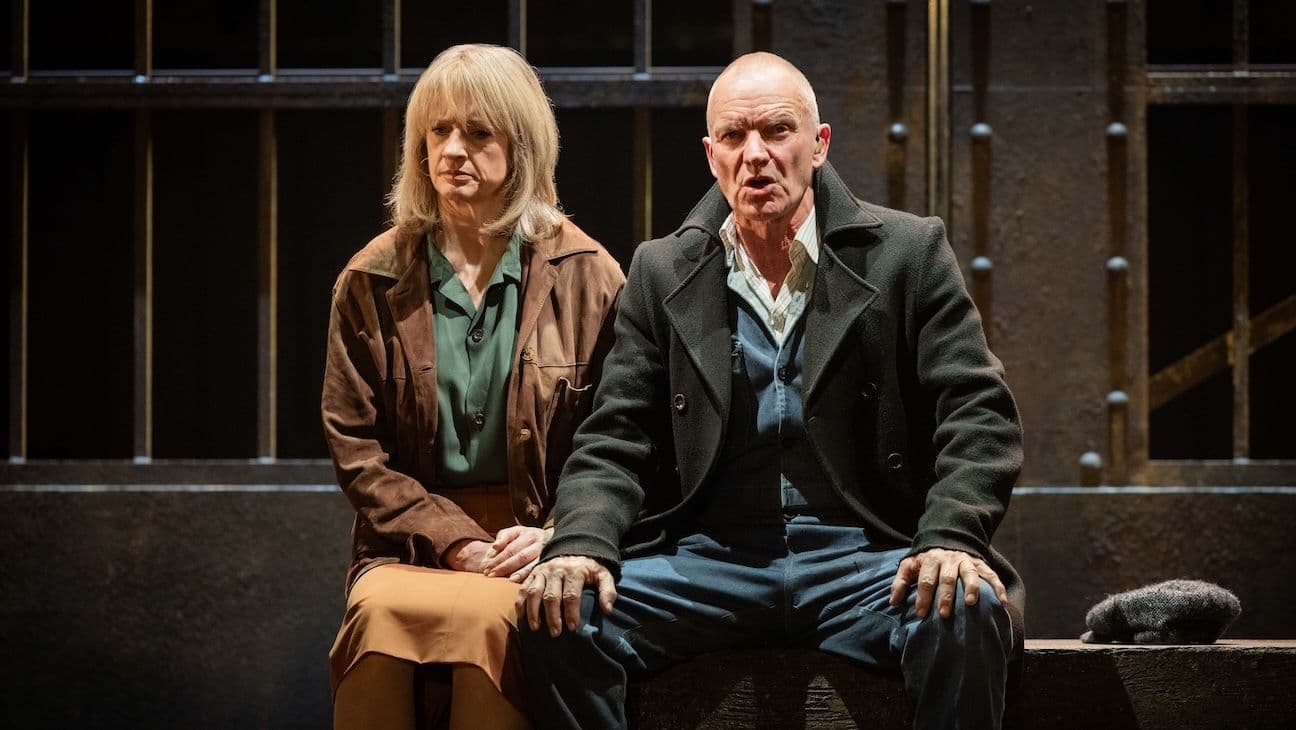
Sting's 'The Last Ship' Musical Has Been a Decade in the Making — and the Journey Isn't Over Yet
Sting opens up about his long-running passion project, the emotional toll of performing it, and why a musical never truly needs to be finished.

Sting's Decade-Long Labor of Love on Broadway
For most artists, a decade is more than enough time to complete a project. For Sting, the legendary frontman of The Police, it has barely scratched the surface. His passion project, the musical The Last Ship, has consumed more than ten years of his creative life — and by his own admission, the work is still ongoing.
Yet far from expressing frustration, Sting seems almost at peace with the idea that this particular creation may never reach a definitive final form. And in many ways, that's precisely the point.
What Is 'The Last Ship'?
The Last Ship is a deeply personal musical inspired by Sting's childhood in Wallsend, a northeastern English shipbuilding town. The story explores themes of community, identity, industrial decline, and the complicated pull of one's roots. Drawing from his own memories of watching ships being built along the River Tyne, the project represents something far more intimate than anything Sting has released as a recording artist.
The musical originally made its Broadway debut in 2014, receiving a mixed but respectful reception. However, Sting has continued to refine, revisit, and reimagine the production in the years that followed, treating it less like a finished product and more like a living, breathing organism.
The Catharsis of Performing Night After Night
One of the more surprising revelations Sting has shared about the project is how emotionally rewarding the repetitive nature of live performance has become. Unlike releasing an album — where the creative work is done the moment it hits streaming platforms — performing The Last Ship night after night offers something albums simply cannot: the opportunity to deepen a connection with the material over time.
Each performance becomes its own emotional reckoning, a chance for Sting to process the memories and feelings baked into the story. Rather than feeling like routine, the nightly ritual has taken on a cathartic quality that continues to surprise even him.
Why a Musical Is Different From an Album
Sting has been candid about one key philosophical difference between producing music and producing theater: an album, once released, is essentially frozen in time. A musical, by contrast, is never truly finished.
Lines can be rewritten. Songs can be rearranged. Entire scenes can be reconsidered based on audience reactions and the evolving instincts of the creative team. This fluidity, which might frustrate some artists, appears to energize Sting. The ability to keep refining the work is not a sign of incompleteness — it is the very nature of live theater.
"We're close. Very close," he has said, suggesting that while a more polished version of the production may be on the horizon, the journey of getting there has been just as meaningful as any destination.
Sting on AI: Not Threatened Yet
In a broader conversation about creativity and the entertainment industry, Sting also weighed in on the rising influence of artificial intelligence in music and the arts. While many veteran artists have expressed alarm at AI's potential to replicate or even replace human creativity, Sting's position is notably measured.
At this stage, he does not feel threatened by the technology. His view implies a confidence that the deeply human experiences underpinning work like The Last Ship — rooted in memory, place, and personal history — are not easily replicated by algorithms. At least not yet.
A Project That Refuses to Be Rushed
What makes Sting's ongoing commitment to The Last Ship so compelling is what it reveals about his artistic priorities at this stage of his career. Rather than chasing chart success or cultural relevance in the traditional sense, he has chosen to pour his energy into a story that matters deeply to him personally.
For a man who has spent decades at the top of the music industry, there is something quietly radical about devoting years to a theatrical work that continues to evolve. The Last Ship is not just a musical — it is an ongoing act of remembrance, creativity, and self-discovery.
And if Sting has his way, it will keep sailing forward for some time yet.