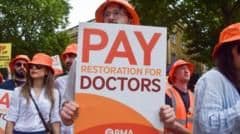
Starmer Issues 48-Hour Ultimatum to BMA: Cancel Easter Strike or Lose 1,000 Training Posts
Prime Minister Keir Starmer has given doctors' union the BMA just 48 hours to cancel its upcoming six-day strike or risk losing 1,000 medical training positions.

Starmer Draws a Line in the Sand Over Easter Doctor Strike
Prime Minister Sir Keir Starmer has issued a stark ultimatum to the British Medical Association, giving the doctors' union just 48 hours to stand down its planned six-day strike following Easter — or risk forfeiting 1,000 additional medical training places that had been promised as part of a government deal.
In a strongly worded piece published in The Times, Starmer condemned the BMA's decision to reject the government's latest offer and press ahead with what would be the 15th walkout in this prolonged industrial dispute. He described the move as "reckless," and criticised the union for not even allowing its own members to vote on the proposal.
What Was on the Table?
The deal rejected by the BMA was far from insubstantial. It included the creation of 1,000 extra training posts this year alone, with a broader commitment to delivering at least 4,000 additional specialty positions over the next three years. The package also offered to cover out-of-pocket costs such as examination fees and promised faster progression through the five-tier pay band structure for resident doctors — the group formerly referred to as junior doctors.
Despite these concessions, the BMA announced strike action after learning that resident doctors would receive a 3.5% pay rise this year — a figure recommended by the independent pay review body and applied across all doctors. The union argued this falls well short of what is needed, particularly given rising inflation linked to the ongoing conflict involving Iran and the fact that resident doctors' real-terms pay has not kept pace with inflation since 2008.
The Numbers Behind the Dispute
The BMA contends that even accounting for the nearly 30% in cumulative pay rises awarded over the past three years, resident doctors are still earning approximately one-fifth less in real terms than they were in 2008. This long-standing pay erosion sits at the heart of the dispute and has made negotiations extremely difficult.
Adding fuel to the fire is a significant shortage of specialist training positions. When doctors enter their third year and begin choosing a specialty — whether that's general practice, surgery, or another field — competition for places is fierce. Last summer, around 30,000 candidates applied for approximately 10,000 available posts, with some of those applicants coming from overseas. Expanding training capacity has therefore been a central pillar of the ongoing negotiations.
Resident doctors represent nearly half of all NHS medical staff, and roughly two-thirds of them are BMA members, making any strike action highly disruptive to NHS services.
Why the 48-Hour Deadline?
The tight timeframe reflects the logistical realities of managing a strike over a major public holiday. NHS trusts must begin cancelling appointments and rescheduling treatments well in advance of the Easter weekend to minimise disruption to patients. Additionally, applications for the training posts set to begin this summer would need to open shortly, making the withdrawal of those places a time-sensitive consequence.
In his Times article, the Prime Minister was unequivocal: "Walking away from this deal is the wrong decision. It is a reckless decision. And doing so without even giving resident doctors themselves the chance to vote on it makes it even worse. Because the truth is this: no one benefits from rejecting this deal."
BMA Hits Back at Government
The BMA's resident doctors committee chair, Dr Jack Fletcher, pushed back firmly against the government's position. He accused ministers of quietly watering down key elements of the deal at the eleventh hour, and warned that withdrawing training posts at a time when the NHS is already struggling with corridor care and lengthy GP waiting times would be damaging for patients.
"Creating posts and improving patient care should not be dependent on calling off a strike," Dr Fletcher stated, adding that if the government were to put forward a genuinely "credible" offer, the union would be willing to reconsider the industrial action.
Talks That Have Dragged On
Negotiations between the two parties resumed at the start of January, following two separate strikes in November and December. While Health Secretary Wes Streeting has consistently maintained that further pay increases are not possible after the significant rises already granted, both sides have continued to engage intermittently over the past year.
The forthcoming walkout, scheduled to begin at 07:00 BST on Tuesday, would match the longest strike yet seen in this dispute — resident doctors have only once before participated in a six-day stoppage. Whether Starmer's ultimatum will break the deadlock or simply harden positions on both sides remains to be seen.

