Spider Bite Hospital Admissions Double in England as False Widow Population Surges
Hospital admissions linked to spider bites in England have more than doubled over the past decade, with experts pointing to the rising population of noble false widow spiders as the primary cause.

Spider Bites Sending More People to Hospital Than Ever Before
Hospital admissions linked to spider bites across England have more than doubled over the past ten years, according to data obtained through a freedom of information request by the Press Association. NHS records reveal that 100 people were admitted to hospital in 2025 due to spider bites, compared to just 47 admissions recorded back in 2015 — a striking increase that has caught the attention of scientists and medical professionals alike.
The Noble False Widow: Britain's Most Concerning Spider
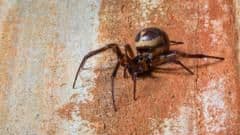
Experts are largely attributing this upward trend to the dramatic expansion of the noble false widow spider (Steatoda nobilis) population across the UK. Often referred to as "the most dangerous spider breeding in Britain," this species has established itself firmly across southern England and continues to spread northward.
Originally from Madeira and the Canary Islands, the noble false widow was first recorded in southern England as far back as 1879. Today, it is far more common than it once was, particularly in and around residential properties.
According to the Natural History Museum, these spiders can be identified by a distinctive skull-shaped marking on their bodies. They construct tangled, suspended webs and tend to favour warm domestic spaces such as kitchens and conservatories.
What Experts Are Saying
Clive Hambler, a lecturer in biological and human sciences at the University of Oxford, noted that spider bite incidents in Britain were negligible half a century ago. He told the Press Association that the rise in severe bites directly correlates with the explosive growth of the false widow population, especially across southern regions of the country.
Dr. Michel Dugon, a zoologist at the University of Galway, described the NHS figures as "interesting" but "not surprising." He identified the surge in noble false widow numbers as the most obvious driver behind the increase, highlighting the species' well-documented preference for living in close proximity to humans in domestic and urban environments rather than natural habitats.
However, Dr. Dugon also acknowledged that heightened media attention around false widow spiders in recent years may have led some individuals to seek hospital treatment believing they had been bitten by the species, when another cause may have been responsible.
How Serious Are False Widow Bites?
While the rising admission numbers may sound alarming, medical and scientific experts are keen to stress that false widow spider bites are not life-threatening.
Professor David Lalloo of the Liverpool School of Tropical Medicine confirmed that bites from false widow spiders are "not dangerous," though they can cause discomfort lasting around a day. Symptoms typically include:
- Localised pain at the site of the bite
- Redness and swelling
- Nausea in more extreme cases
The spider delivers a neurotoxin when it bites, but according to the conservation charity Buglife, this venom does not cause gangrene-like infections. Such infections, which have occasionally been linked to false widow bites in media reports, are actually the result of bacterial infection — something that can arise from any minor skin wound, including mosquito bites or scratches.
Buglife also confirms there are no proven cases of the noble false widow causing death, a coma, or any form of permanent injury.
Should You Be Worried?
Despite their fearsome reputation in tabloid headlines, noble false widow spiders are described by Buglife as notably sluggish and non-aggressive creatures. They do not chase, jump at, or actively threaten humans.
In reality, the vast majority of British spider species are physically incapable of breaking human skin — their fangs are simply too small or too weak to do so. Even larger domestic species, such as the common house spider or garden spider, rarely bite even when handled repeatedly.
Other Factors Behind the Rise
Beyond the false widow population boom, other variables may be contributing to the increase in hospital admissions. A growing UK population means more potential encounters with spiders, and greater awareness among healthcare professionals may also mean spider bites are being more accurately identified and recorded than they were a decade ago.
It is also worth noting that venomous exotic spiders are occasionally introduced to the UK unintentionally through imported goods and fresh produce. Buglife advises caution around spiders discovered in supermarket grocery sections or near imported fruit and vegetables.
Key Takeaway
While hospital data shows a clear upward trend in spider bite admissions, the overall risk to public health remains low. The noble false widow is more widespread than ever, but experts consistently emphasise that its bite, though occasionally painful, poses no serious or lasting danger to the vast majority of people.