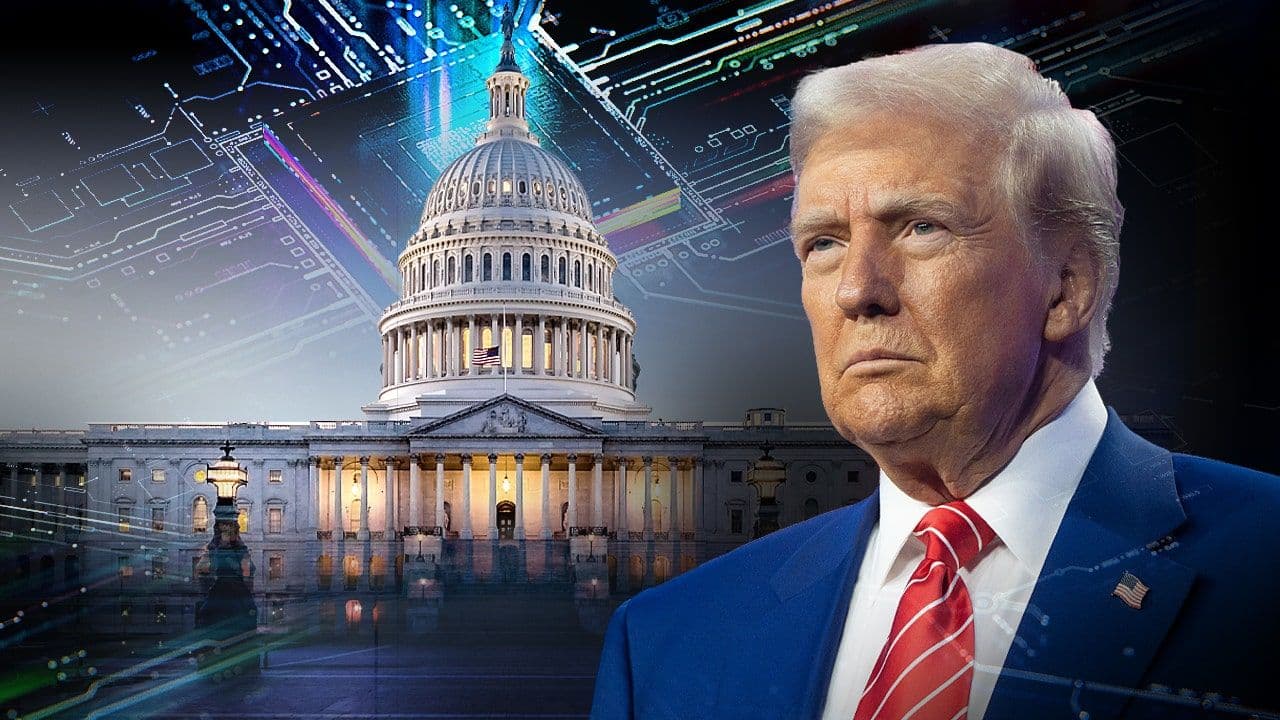
Speed Meets Responsibility: Why America Can't Afford to Lose the AI Infrastructure Race to China
China is pouring $125 billion into AI dominance while U.S. data center projects face growing cancellations. America must build fast — but build smart.
The New Battlefield Is Digital — And America Is Already Behind
Artificial intelligence is no longer a distant technological ambition — it is actively reshaping global economies, redefining military power, and determining which nations will lead the next era of human civilization. The massive data centers required to run AI systems are quickly becoming the defining infrastructure of this century, much like railroads and interstate highways were in the century before.
The Trump administration has rightly identified American leadership in AI as a national priority, pushing to accelerate permitting processes, lock in reliable energy supplies, and remove obstacles standing in the way of critical infrastructure development. That sense of urgency is not political theater — it is a strategic necessity.
China has already committed over $125 billion toward artificial intelligence, advanced computing, and the energy networks needed to sustain them. Beijing is operating with a clear-eyed understanding: whoever controls AI will control both markets and military capability for decades to come. If the United States hesitates, China will not pause to wait.
Growing Resistance Is Threatening America's AI Buildout
Here is the uncomfortable reality — moving fast without building public trust doesn't accelerate progress. It invites backlash. And backlash hardens into litigation, regulatory delay, and outright project cancellations.
Across the United States, AI data center projects are running into serious and growing opposition. In 2025 alone, at least 25 projects were canceled — four times the number from the previous year — wiping out gigawatts of planned capacity. Nationally, nearly 100 projects are now actively contested.
This resistance crosses political lines. Rural property owners, environmental groups, and ratepayer advocates are raising alarms about what rapid AI expansion could mean for local electricity prices, water availability, farmland, and wildlife habitat. The core concern in many communities is simple and understandable: large technology corporations will reap enormous profits while everyday residents foot the bill through higher utility costs.
In December, more than 230 environmental organizations called on Congress to impose a nationwide moratorium on new data center approvals. Implementing such a freeze would be catastrophic — stalling innovation, choking off investment, and handing China a significant strategic advantage on a silver platter.
Community Concerns Are Legitimate — And Must Be Taken Seriously
Dismissing public opposition as uninformed or obstructionist would be a serious mistake. The questions communities are raising deserve honest, transparent answers.
Residents want to understand whether new data centers will destabilize local power grids, drive up electricity and water rates, deplete scarce water supplies, consume productive farmland, or damage natural habitats. They want to know whether the promised economic benefits are real or exaggerated.
When developers fail to address these concerns upfront, delay becomes the default outcome — and cancellation often follows. Data shows that nearly 40 percent of heavily contested infrastructure projects ultimately fail. In the context of an intensifying global technology race, that kind of self-inflicted setback is not just frustrating — it is a strategic error with real consequences.
A Better Path: Market Discipline, Transparency, and Voluntary Standards
The answer here is not a choice between heavy-handed federal regulation and ignoring the public entirely. A smarter path exists — one grounded in market discipline, genuine transparency, and credible voluntary standards.
Voluntary standards should not be viewed as capitulating to opposition. They are a tool for building what experts call a "social license to operate" — the durable public confidence that infrastructure projects need not just to get approved, but to stay operational over the long term. In a democratic society, permits are only the beginning. Sustained public trust is what keeps projects alive.
America has seen this dynamic play out before. During the early expansion of shale natural gas development, producers who invested in better water management, reduced air emissions, and engaged communities proactively were able to continue operating. Where those efforts were neglected and public trust collapsed, moratoria and outright bans followed. Rebuilding lost trust is far harder than establishing it from the start.
What Responsible AI Infrastructure Standards Should Include
AI infrastructure developers should commit to independently verified standards built around several core principles:
-
Energy Reliability and Affordability: AI data centers must not destabilize regional power grids or push electricity costs onto working families and small businesses. Projects must demonstrate that increased energy demand will not trigger rate hikes or compromise long-term grid stability.
-
Water Stewardship: Particularly in water-scarce regions, developers must show that their operations will not raise local water rates, compete with residential or agricultural water needs, or undermine long-term supply security.
-
Responsible Siting: Projects should prioritize industrial zones or previously disturbed land, avoiding sensitive ecosystems and natural habitats wherever possible. Incorporating forested buffers can help reduce visual impacts on surrounding communities.
-
Early and Genuine Community Engagement: Residents deserve meaningful consultation before permits are filed — not carefully worded assurances issued afterward. Commitments made to communities must be subject to independent verification, not glossy corporate sustainability reports.
Federal Policy Can Reinforce — Not Replace — This Approach
Encouragingly, federal policymakers are already exploring voluntary partnership models with leading AI infrastructure providers. This collaborative framework — based on shared commitments rather than prescriptive mandates — can create the consistency needed at a national scale without freezing the innovation pipeline.
Congress and federal agencies can amplify this approach by formally recognizing credible voluntary standards within permitting and infrastructure planning frameworks. This does not require expanding federal bureaucracy. Instead, it aligns market incentives with community interests and significantly reduces litigation risk — allowing projects to move faster precisely because legitimate concerns are addressed at the outset rather than in a courtroom.
History Has a Warning Worth Heeding
America has already learned the hard lesson that infrastructure without public confidence leads to paralysis. Years of delay in energy infrastructure development forced lawmakers to pursue permitting reform just to restore basic momentum. That same cycle should not be allowed to repeat itself with AI.
The stakes are too high and the competition too fierce. Artificial intelligence will define the next generation of economic prosperity and national security. The United States must build the infrastructure required to lead — with both the speed the moment demands and the discipline that lasting progress requires.
If America fails to get this right, China will be ready to fill the gap.
