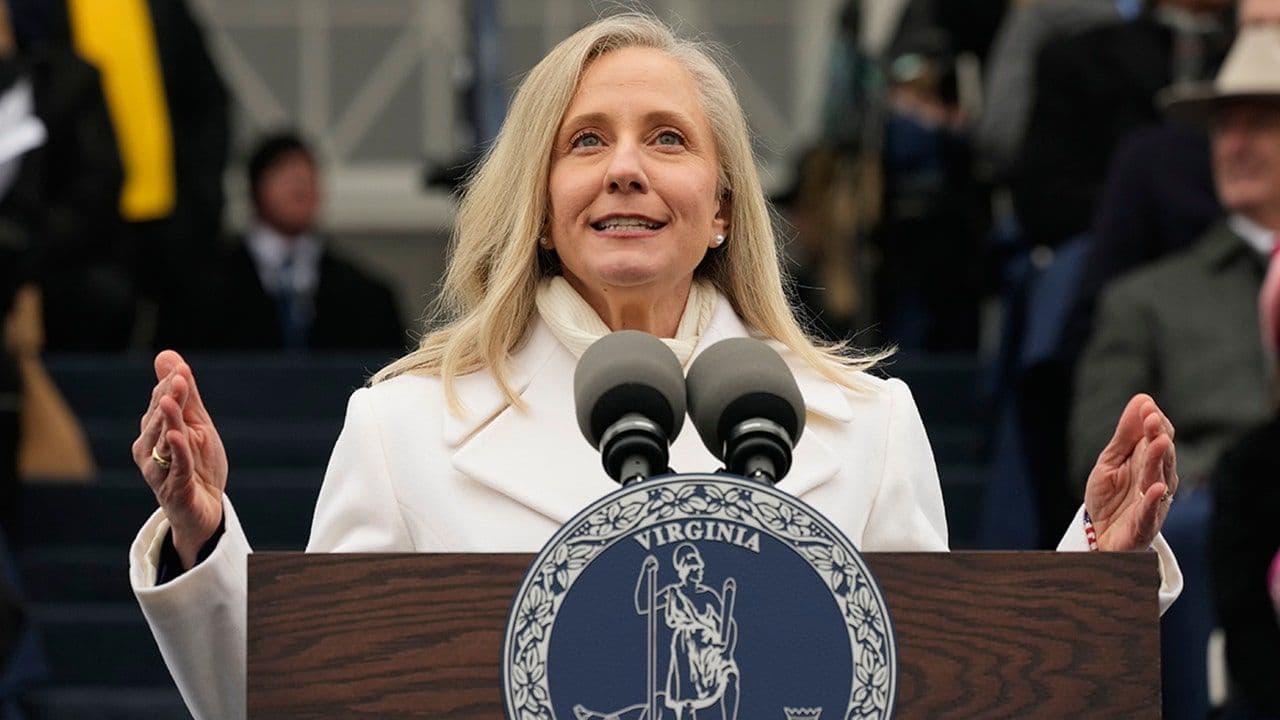
Spanberger Clashes With Trump's DHS Over ICE Detainer in Virginia Murder Case
Virginia Gov. Abigail Spanberger is under fire for demanding a judicial warrant before releasing a murder suspect to ICE — a standard critics say doesn't apply to immigration enforcement.

Virginia Governor Faces Backlash Over ICE Detainer Dispute in Brutal Murder Case
Virginia Governor Abigail Spanberger, a Democrat, has ignited a fiery political standoff with the Trump administration after instructing the Department of Homeland Security to secure a judicial warrant before taking custody of an undocumented immigrant charged with murder. Critics and legal experts argue that such a warrant is not only unnecessary in this situation — it is legally impossible to obtain in the context of civil immigration enforcement.
The Case at the Center of the Controversy
The individual in question is Abdul Jalloh, a Sierra Leone national accused of fatally stabbing Stephanie Minter, a 41-year-old mother from Fredericksburg, at a local bus stop in February. According to DHS, Jalloh had accumulated 30 prior arrests — including multiple violent offenses — before the alleged attack on Minter.
Emails obtained by Washington-area outlet WJLA revealed that the Fairfax County Police Department had repeatedly flagged Jalloh as a threat to the Fairfax County Commonwealth's Attorney's office, raising serious questions about why he remained free to allegedly carry out such a violent crime.
White House and Federal Agencies Push Back Hard
White House Deputy Chief of Staff Stephen Miller was quick to condemn Spanberger's position, stating plainly that judicial warrants bear no relevance to immigration deportation proceedings.
"Judicial warrants have nothing to do with deportation. Zero. Nothing," Miller wrote on X. "The system for deporting criminal aliens from state custody is, and always has been, ICE requesting a custody transfer prior to release. Thousands of criminals are removed every week through this system. In sanctuary cities and states, criminal aliens are simply set free to maim and murder."
Both DHS and ICE echoed Miller's criticism on social media. DHS accused the governor of "fighting to protect a murderer over American citizens," while ICE charged that politicians who refuse to cooperate with federal immigration authorities show "true disdain for public safety and the constituents they serve."
Why Legal Experts Say the Warrant Demand Falls Flat
Andrew Arthur, a law and policy fellow at the Center for Immigration Studies, explained to Fox News Digital that federal immigration law grants DHS the authority to initiate deportation proceedings by serving administrative detainers and warrants on jurisdictions holding individuals suspected of being in the country unlawfully. ICE then arrests those individuals upon their release from custody.
This process works efficiently when state and local agencies cooperate by notifying ICE ahead of an inmate's release. However, in so-called sanctuary jurisdictions, that cooperation is routinely withheld.
In Jalloh's case, Arthur stressed that ICE's goal was straightforward: take him into federal custody to prevent him from returning to the streets before his case is resolved.
"The issue is, if a state court judge grants him bond or releases him, or if the prosecutor's office simply lets him go without notifying ICE, he will be back out in the community," Arthur warned.
As for Spanberger's demand for a judicial warrant, Arthur was blunt: "It's not only not applicable — it's not possible. She might as well say, 'Give me a gallon of water from the moon.' Judicial warrants simply don't exist in the civil immigration enforcement context."
Judicial warrants are instruments issued by courts when probable cause of a federal crime exists — a standard that does not apply to civil immigration violations, which fall under an entirely separate legal framework.
Spanberger Stands Her Ground
Spanberger's office did not respond to multiple media requests for comment on the escalating dispute. However, her team had previously told WJLA that the governor supports the deportation of violent undocumented immigrants — a statement that appears to contradict her decision to terminate cooperation agreements between Virginia and DHS, a move consistent with sanctuary state policies.
"As a former federal law enforcement officer who conducted joint search and arrest warrants alongside state and local officers, Governor Spanberger firmly believes that violent criminals who are in the United States illegally should be deported," her office said. "DHS should request a signed judicial warrant to ensure this violent criminal is deported."
A Broader Battle Between Sanctuary Policies and Federal Authority
This standoff reflects a deepening national conflict between the Trump administration and Democratic-led sanctuary jurisdictions. The administration argues that uncooperative local governments are enabling dangerous criminals to walk free, directly threatening public safety. Democrats counter that their policies are designed to build community trust in law enforcement and ultimately make their residents safer.
With a murder victim at the center of the debate and a suspect with dozens of prior arrests in custody, the political and legal tensions surrounding this case are unlikely to ease anytime soon.

