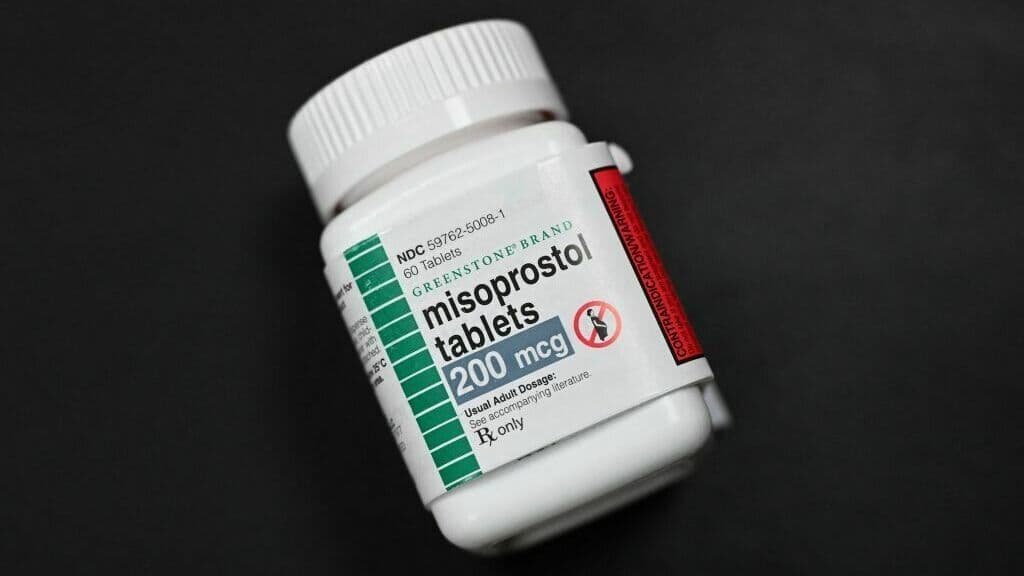
Single-Drug Medication Abortion: What You Need to Know About Misoprostol
With mifepristone facing legal restrictions, misoprostol remains fully accessible and is proven effective for ending early pregnancy safely.

The Legal Landscape Around Abortion Medication
A recent federal appeals court ruling has placed significant restrictions on telemedicine prescriptions for mifepristone — one of the most commonly used abortion medications in the United States. The ruling affects patients nationwide, at least on a temporary basis, limiting how and where they can access the drug.
However, this legal development does not eliminate all medication abortion options. Another drug, misoprostol, remains fully available and has a well-established track record of safety and effectiveness when used to end an early pregnancy.
Understanding Misoprostol as a Standalone Option
Misoprostol is widely recognized by medical professionals around the world as a reliable medication for pregnancy termination. While it is most commonly used in combination with mifepristone — a regimen considered highly effective — misoprostol alone is also a legitimate and medically supported choice.
How Misoprostol Works
Misoprostol works by causing the uterus to contract, which expels the pregnancy. When used as a single-drug option, it is typically administered in specific doses under medical guidance. The medication has been used globally for decades, particularly in regions where mifepristone is unavailable or restricted.
Effectiveness and Safety
Studies indicate that misoprostol used alone carries a success rate of approximately 80 percent or higher for ending early pregnancies. While this is slightly lower than the combined two-drug regimen, it remains a medically sound and widely endorsed method by major health organizations, including the World Health Organization.
Side effects may include cramping, nausea, and bleeding, which are consistent with the body's natural response to the medication. Serious complications are rare when the drug is used correctly.
Access and Availability
Unlike mifepristone, misoprostol is not subject to the same level of regulatory restrictions in the United States. It is approved for multiple medical uses, making it more broadly accessible through pharmacies and healthcare providers.
Patients seeking medication abortion during the early stages of pregnancy should consult a licensed healthcare professional to determine the most appropriate and safe course of action given their individual circumstances and local regulations.
What This Means for Patients
The ongoing legal challenges surrounding mifepristone underscore the importance of awareness around all available reproductive healthcare options. While access to the two-drug combination remains a priority for many advocates and medical professionals, the availability of misoprostol provides an important alternative pathway for patients navigating these complex legal developments.