Silent Epidemic: Countertop Workers Across America Are Losing Their Lungs to Silica Dust
A deadly lung disease is quietly spreading among countertop workers nationwide. Experts warn thousands may already be affected without knowing it.
A Deadly Dust Hiding in Plain Sight
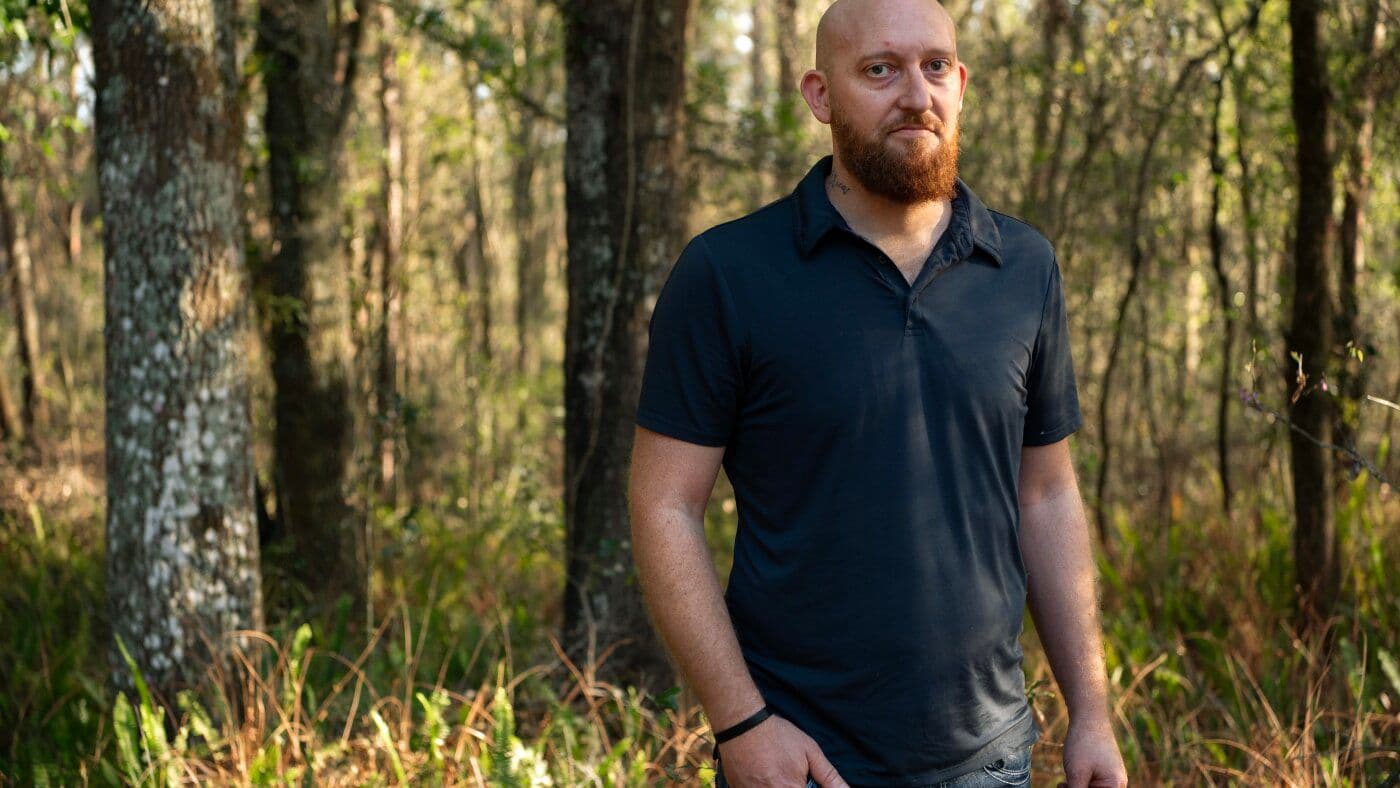
For years, Wade Hanicker showed up to work and did what countertop fabricators do — he cut, shaped, and polished heavy stone slabs to fit into the kitchens and bathrooms of homes across Florida. Like most workers in the trade, he wore a basic dust mask and gave little thought to what he was breathing in.
"We were more worried about getting crushed by slabs or getting cut with blades," says Hanicker, who lives near Tampa and has spent roughly 15 years in the industry. "Not getting a lung disease."
But a lung disease is exactly what he got — and he is far from alone.
The Hidden Danger Inside Quartz Countertops
While Hanicker worked with various stone materials over the years, the majority of his work involved cutting manufactured quartz — a composite material produced by mixing mined quartz fragments with resins and pigments. Unlike natural granite or marble, engineered quartz contains exceptionally high concentrations of silica, a mineral that becomes life-threatening when its fine particles are inhaled over time.
The resulting condition, known as silicosis, is an irreversible scarring of the lungs. There is no cure.
California has become the center of what health officials are now describing as an epidemic. State authorities have identified more than 550 countertop workers — nearly all of them Hispanic men — who have been diagnosed with silicosis. Over 30 have died, and more than 50 have undergone lung transplants. The numbers recorded on California's public health dashboard continue to climb.
On May 21, California's workplace safety board is scheduled to vote on a proposed ban on the dry cutting of high-silica engineered stone, a measure backed by a coalition of physicians who argue that the disease's severity points to toxic exposure beyond silica alone — including potentially harmful resins and pigments embedded in the material.
The Problem Is Bigger Than One State
Industry representatives have pushed back on the scope of concern. Rebecca Shult, an attorney for major quartz manufacturer Cambria, told members of Congress earlier this year that only a handful of silicosis cases have been documented across the other 49 states outside California.
But David Michaels, an epidemiologist at George Washington University and a leading occupational safety expert, sharply disputes that framing. According to Michaels, California's elevated case numbers reflect how aggressively the state has searched for them — not that the disease is geographically contained.
"We could easily have 10,000 workers here with silicosis, and possibly far more," Michaels warns.
His estimate is grounded in data. Approximately 100,000 people work in the countertop fabrication industry across the United States. Research conducted in Australia found that more than ten percent of countertop workers there showed signs of lung disease. Applied to the U.S. workforce, those numbers suggest a crisis of enormous proportions — one that is largely going undetected.
A key part of the problem, Michaels explains, is that many physicians simply are not familiar with silicosis. They often fail to ask patients about their occupational history, leading to frequent misdiagnoses.
One Man's Misdiagnosis — and a Life Changed Forever
Hanicker's own experience reflects exactly that pattern. About five years ago, he developed a persistent, sharp pain beneath his shoulder. He managed it with over-the-counter medication and kept working. When the discomfort spread across his chest, his wife feared a cardiac event and urged him to go to the emergency room.
"We didn't think it could be work-related, from the dust," he recalls.
Doctors initially took a chest X-ray, concluded he had pneumonia, and sent him home with antibiotics. When those failed to help, a CT scan revealed nodules throughout his lungs. A biopsy confirmed silicosis.
Hanicker, now 39, also has a silica-related autoimmune condition. He deals with chronic pain, persistent fatigue, and shortness of breath. His doctors say a lung transplant is likely in his future. He has since filed lawsuits against the manufacturers and distributors of the quartz products he worked with.
"The two biggest things that hurt me is how it affects my marriage and not being able to be a father the way I want to with my kids," he says. He can no longer run with his young children or help them learn to ride a bike.
Industry Pushback and Legal Accountability
Quartz manufacturers, including Cambria, argue that silica exposure is a risk associated with cutting any high-silica stone — natural or engineered — and that their products are safe when proper dust-control measures are in place, such as wet-cutting methods and industrial vacuum systems.
"If you don't have good workplace safety practices, whether it's a natural stone or a quartz stone, you are going to end up having people continuously getting sick," said Khaled Taqi-Eddin, an attorney representing Cambria.
Occupational health specialists who support the California ban disagree. They contend that engineered stone is simply too hazardous to be safely cut under any conditions currently practiced in the industry, and that enforcement and education campaigns have proven insufficient.
The legal landscape is beginning to shift. In Colorado, a jury recently awarded damages to Tyler Jordan in what marked the first quartz silicosis lawsuit to reach trial outside of California. Jordan began working in his family's countertop shop as a teenager and was diagnosed with silicosis roughly a decade later. The disease progressed and caused kidney failure, requiring dialysis and ultimately a kidney transplant donated by his father.
"I felt like I was too young. It felt like there was going to be some sort of mistake," Jordan told NPR, describing the moment he received his diagnosis. He had hoped to one day take over the family business.
Doctors Sound the Alarm
One of the physicians who treated Jordan is Dr. Cecile Rose, an occupational pulmonologist at National Jewish Health and the University of Colorado in Denver. In 2019, Rose was part of the medical team that published findings on some of the earliest known cases of severe silicosis among young American countertop workers — including two women who developed the disease after sweeping up silica-laden dust as workplace cleaners.
At that time, her team had identified seven cases in Colorado. Today, that number has grown to approximately 20. Rose and her colleagues have since established a voluntary disease registry to help physicians across the country share clinical findings and better identify affected workers.
The message from experts is urgent and consistent: the damage being done to workers' lungs is real, it is widespread, and in most of the country, it remains almost entirely invisible.