Should Kids Be Banned From Social Media? The Global Debate Heating Up
Australia led the charge, now the UK and Canada are following. But will social media bans for under-16s actually protect kids — or just push them somewhere worse?

The World Is Moving to Ban Kids From Social Media — But Will It Actually Help?
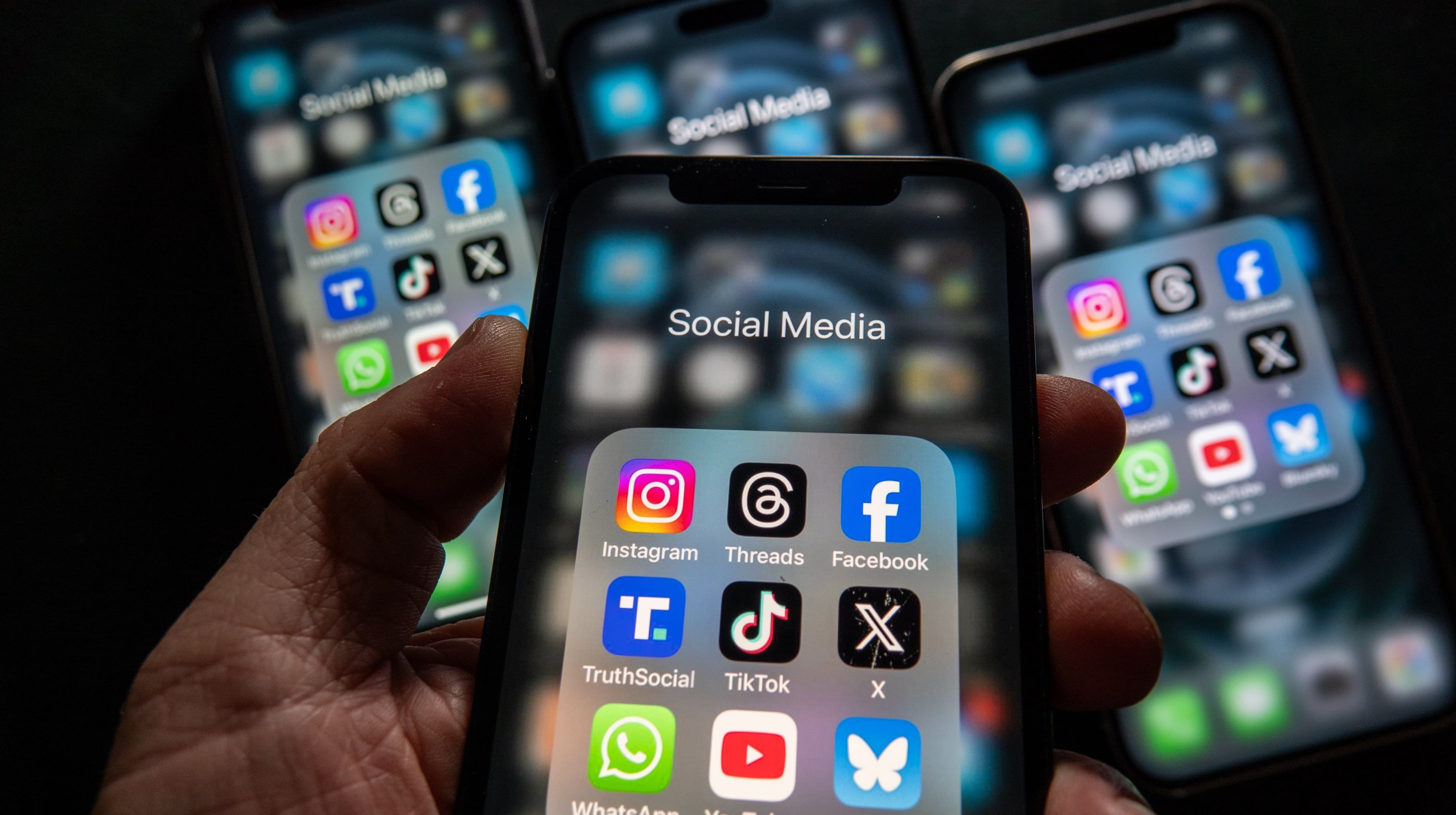
A wave of legislation is sweeping across the globe, and it all points in the same direction: keep children under 16 off social media. The United Kingdom recently announced sweeping plans to block minors from platforms like TikTok and Facebook, while Canada is pushing its own version of the legislation through parliament at pace. Both countries are drawing heavily from Australia's playbook — the first nation in the world to implement such a ban — which officially took effect in December.
Governments from Paris to Jakarta are watching Australia's experiment closely, and many are racing to replicate it. The shared logic is straightforward: if social media is harming young people, restricting their access is the most direct remedy. But whether that logic holds up in practice is a very different question.
Australia's Bold Experiment Under the Microscope
Australia's Online Safety Amendment stands as the world's toughest child-focused digital law to date. It requires online platforms to prevent users under 16 from creating accounts, with fines reaching up to AUD 49.5 million — roughly $34.7 million — per violation.
The legislation was built on a compelling foundation. A growing body of research connects heavy social media use among young people to mental health struggles, negative body image, cyberbullying, and disrupted sleep. Politicians argued that removing kids from these platforms was the most decisive action available.
Six months later, however, the picture is more complicated. Australia's own eSafety Commissioner has conceded that teens are already finding workarounds. Researchers monitoring the rollout have observed young people turning to VPNs, borrowing devices from others, and migrating to lesser-known platforms that don't enforce age verification at all.
Canada Pushes Ahead Despite Warning Signs
Canada is watching Australia's experience unfold — and pressing forward regardless. Bill C-34, known as the Safe and Secure Digital Services Act, would restrict access to social platforms, AI chatbots, and similar digital services for anyone under 16. It would also establish direct safety obligations for platform operators and create a brand-new Digital Safety Commission to oversee enforcement.
Not everyone is convinced the bill will deliver on its promises. Michael Geist, a law professor at the University of Ottawa, believes the ban is likely to fail — and to generate unintended consequences along the way.
"The experience elsewhere suggests that bans can be easily circumvented and that kids gravitate to riskier, less regulated platforms," Geist explains. "And because verifying who is under 16 means verifying everyone, this is effectively a population-wide ID mandate. The real solution lies in addressing the harms from social media for all users."
Geist is also skeptical about handing enforcement powers to a newly created regulator rather than Canada's established telecom watchdog, the CRTC. He describes the proposed Digital Safety Commission as a "super-regulator" with sweeping authority — one that writes its own rules, enforces them, and can conduct hearings in secret, all while claiming to advocate for the very users it polices.
Platform Design Is the Real Problem, Some Argue
Catherine Warren, president of digital consultancy Fan Trust, takes a sharply different view on where the focus should land. For Warren, the danger isn't that children are online — it's that the platforms themselves are deliberately engineered to be addictive, using infinite scrolling and AI-driven features that have proven difficult to regulate.
"Let's be clear-eyed: children are being harmed online, and families are grieving," Warren says. "That's exactly why the Canadian response has to work — not just feel decisive."
She draws a pointed analogy: "When we wanted children safe in the water, we didn't drain the pool. We fenced it, taught them to swim and posted a lifeguard."
Warren also raises concerns about social inequality embedded in blanket bans. Wealthier families, she notes, have far easier access to VPNs and other tools to bypass restrictions — meaning the ban could end up functioning as a class filter, shutting out the most vulnerable children while leaving the system wide open for those with resources.
"A ban that some children can trick with a VPN isn't child safety," she says. "The families with the most beat the system, while the kids with the least — and perhaps the greatest need for online connection and education — are cut off."
European Experts Sound Similar Alarms
Across the Atlantic, researchers are voicing comparable doubts. Stephan Dreyer, senior researcher at the Leibniz Institute for Media Studies, argues that blanket bans carry more legal and practical risks than they resolve.
"We still don't have studies that actually demonstrate a social media ban leads to improved mental health," Dreyer says. He adds that when young people are surveyed about what genuinely worries them, social media content rarely tops the list — concerns about climate change, family illness, and migration rank far higher. Social media may amplify these anxieties, he notes, but it isn't their root cause.
Dreyer also warns that pushing children off mainstream platforms tends to send them toward less regulated corners of the internet, potentially exposing them to greater risks.
Europe's Patchwork of Rules — and a Legal Minefield
Despite these reservations, several European nations are developing Australian-style legislation of their own. The approaches vary considerably: France has set its age threshold at 15, Austria at 14, and both Greece and Spain at 16.
But Dreyer points to a deeper legal complication that has received surprisingly little public attention. The European Union's Digital Services Act already sets out rules governing how platforms must protect minors — and under EU law, it takes precedence over conflicting national regulations. This means many member states may be crafting bans that are legally unenforceable the moment they conflict with the DSA.
"The DSA actually blocks national rules from member states, and most haven't accounted for that in their plans," Dreyer explains.
France, for instance, has avoided naming platforms as the party responsible for enforcing its under-15 ban — precisely because doing so would create a direct conflict with EU law.
The European Commission, meanwhile, is attempting to demonstrate that the DSA has real teeth. TikTok is facing scrutiny for alleged violations related to addictive design features, while Meta is under pressure over its handling of cyberbullying and grooming on Facebook and Instagram. If found in serious breach of the DSA, platforms can face fines of up to 6 percent of their total global annual revenue. Even so, many European politicians and parents feel enforcement is moving far too slowly.
"Member states have grown impatient with how the DSA is being enforced," Dreyer says, suggesting that the flurry of national bans may be as much about pressuring Brussels into action as protecting children directly.
The Real Question Is Whether Governments Are Targeting the Right Problem
The broader lesson emerging from Australia and Europe, according to researchers like Dreyer, isn't that regulation should be abandoned — it's that governments may be aiming at the wrong target. Restricting young users from established platforms without addressing the addictive architecture driving the harm, or the unregulated platforms waiting in the wings, may produce little more than the appearance of action.
As the global race to legislate accelerates, the critical question isn't just whether these bans can be passed — it's whether they can actually protect the children they're designed to serve.