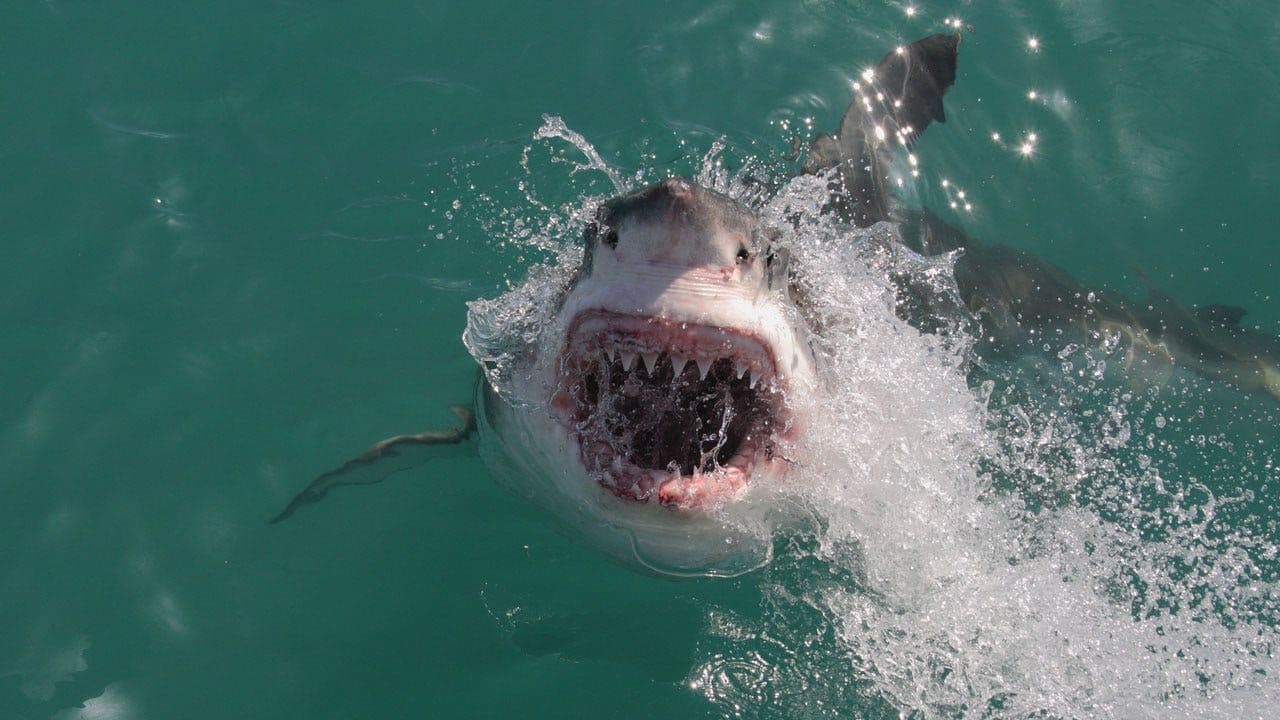
Shark Attack Fatalities Double the Decade Average in 2025, New Data Reveals
Global shark attack deaths hit alarming levels in 2025, with fatalities doubling the 10-year average. Here's what researchers are saying.

Shark Attack Deaths Spike Well Above Historical Norms in 2025
New data from one of the world's most authoritative shark research organizations shows a troubling rise in deadly shark encounters last year. According to the International Shark Attack File (ISAF), operated by the Florida Museum of Natural History, unprovoked shark bites climbed globally in 2025 — and the number of deaths reached twice the typical annual rate.
Researchers confirmed 65 unprovoked shark bites worldwide in 2025, a figure higher than the previous year's unusually low tally and approaching the 10-year annual average of 72 incidents. More alarming, however, was the death toll: 12 people were killed in unprovoked attacks, compared to an average of just six fatalities per year over the past decade.
Experts Urge Caution Before Declaring a New Trend
Despite the striking numbers, scientists are hesitant to draw sweeping conclusions just yet. Gavin Naylor, director of the Florida Program for Shark Research and curator at the Florida Museum of Natural History, acknowledged the spike while warning against overreaction.
"Hard to tell," Naylor said when asked whether the data signals a lasting shift. He pointed to Australia as a key factor, noting possible increases in certain shark species populations, more surfers venturing into remote and unfamiliar coastal areas, and the growing popularity of newer water sports such as foiling.
Naylor emphasized that additional years of data will be essential before any firm conclusions can be drawn. "We will be able to say more if the trend continues in subsequent years," he said. "For now we cannot exclude the notion that it is a statistical 'blip.'"
Breaking Down the 2025 Shark Incident Numbers
The ISAF reviewed a total of 105 reported shark-human interactions worldwide in 2025. Of those:
- 65 were confirmed as unprovoked bites
- 29 were classified as provoked, including cases where individuals were bitten while fishing, handling sharks, or attempting to touch them
- Remaining cases involved boat strikes or could not be conclusively categorized
United States Leads in Unprovoked Bites
The U.S. accounted for approximately 38% of all unprovoked shark bites globally, more than any other country. Florida remained the nation's most affected state, logging 11 unprovoked attacks — more than double the count of any other state in the country.
The only fatal shark attack recorded in the United States involved triathlete Erica Fox, 55, whose body was discovered near Santa Cruz, California, on December 21. Fox had disappeared during a group training swim, and the coroner subsequently ruled her cause of death as "sharp and blunt force injuries and submersion in water."
Australia Ranks Second Worldwide
Australia followed the U.S. as the second most affected nation, accounting for roughly 32% of global unprovoked bite incidents. The majority of the year's fatal attacks occurred there, contributing significantly to the elevated worldwide death count.
Understanding How Shark Attacks Are Classified
To maintain consistency in long-term data tracking, the ISAF applies strict definitions when categorizing shark incidents. An unprovoked bite is defined as any attack occurring in a shark's natural habitat where the human involved had no prior interaction with the animal. Provoked incidents — where humans initiated contact — are recorded separately to ensure the integrity of historical comparisons.
While 2025's unprovoked bite total remains within the broader range observed over the past ten years, the doubling of fatalities stands out as a significant statistical anomaly. Researchers will be monitoring 2026 data closely to determine whether last year's deadly surge marks the beginning of a concerning pattern or simply an outlier year.

