Separating Fact from Fiction: What Every Woman Should Know About Perimenopause
Social media is flooding women with misleading perimenopause advice. Here's what medical experts actually say about contraception, HRT, and hormonal health.

The Rise of Perimenopause Misinformation Online
More women than ever are turning to social media for guidance on perimenopause — and experts are growing increasingly alarmed. While online communities have helped reduce the long-standing stigma around menopause, they have also become fertile ground for health misinformation that can lead to serious consequences, including unintended pregnancies and untreated medical conditions.
Healthcare professionals are urging women to seek qualified medical advice rather than rely on viral posts, influencer recommendations, or supplement marketing campaigns that may do more harm than good.
What Exactly Is Perimenopause?
Perimenopause is the transitional phase that precedes menopause. During this time, the body experiences fluctuating levels of hormones — particularly oestrogen and progesterone — which can trigger a wide range of physical and emotional symptoms.
Common signs include:
- Irregular or heavy menstrual periods
- Hot flushes and night sweats
- Mood changes and irritability
- Sleep disturbances
According to Dr. Zara Haider, president of the College of Sexual and Reproductive Healthcare, perimenopause can begin as early as the late 30s, though it most commonly starts in the early to mid-40s.
Why Online Misinformation Is Dangerous
The consequences of acting on inaccurate perimenopause information can be significant. Dr. Haider has observed a troubling trend: women in their late 30s and early 40s are incorrectly assuming they are perimenopausal based on social media content — and some are using this assumption as justification to abandon contraception.
This is particularly concerning because perimenopause symptoms closely resemble those of other conditions, such as primary ovarian insufficiency. Without proper medical evaluation, these conditions can go undiagnosed and untreated.
"We are seeing people turn to supplements or alternative treatments marketed online, sometimes instead of established, effective options — often at significant personal cost," Dr. Haider noted.
Her advice is straightforward: if you suspect you may be perimenopausal, consult your GP before making any decisions about contraception or treatment.
Contraception During Perimenopause: What Are the Options?
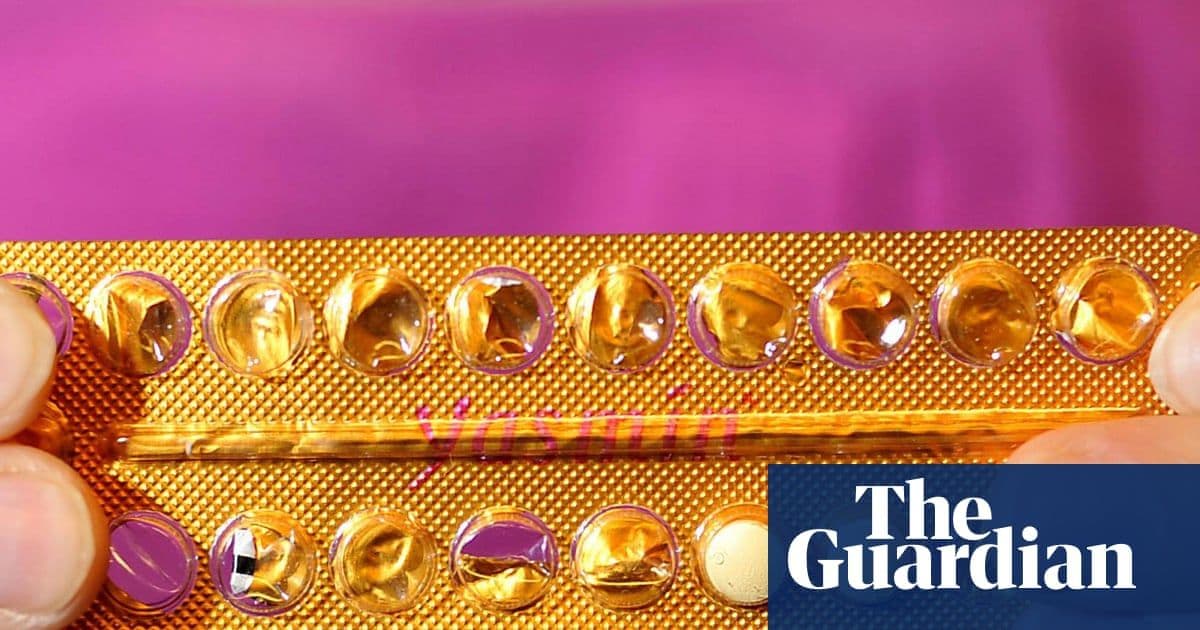
One of the most common misconceptions is that contraception becomes unnecessary during perimenopause. In reality, women who have not yet reached menopause and do not wish to become pregnant still need reliable contraceptive protection.
There is no universal best method — the right choice depends on the individual's health profile, lifestyle, and preferences. Options include:
- Condoms — also protect against sexually transmitted infections
- Hormone-free coil (IUD) — though potentially unsuitable for women with heavy periods
- Progestogen-only contraceptives — including the mini-pill, patches, injections, implants, and intrauterine systems (IUS)
- Combined contraceptive pills — containing both oestrogen and progestogen
The Benefits of Hormonal Contraception
Dr. Paula Briggs, a consultant in sexual and reproductive health, emphasizes that hormonal contraception offers far more than just pregnancy prevention.
"There are other non-contraceptive benefits: reduction in bleeding, pain, fibroids, improvement in endometriosis, acne — loads of other things," she explained.
While certain hormonal contraceptives have been associated with a marginally elevated risk of breast cancer, they can simultaneously reduce the risk of other cancer types, making the overall picture more nuanced than many online sources suggest.
The Truth About Combined Pills and Older Women
A widespread myth circulating online is that women over a certain age simply cannot use the combined contraceptive pill. Experts firmly reject this oversimplification.
"Age alone is not a contraindication," said Dr. Briggs. "It's about assessing for individual risk factors, which include migraine with aura, being overweight, and hypertension — but even then, if conditions are managed, a patient might still be able to access the combined pill."
Traditional vs. Next-Generation Combined Pills
Conventional combined pills contain ethinyl estradiol — a potent synthetic oestrogen — alongside a progestogen. Professor Channa Jayasena, a reproductive endocrinology expert at Imperial College London, explains that ethinyl estradiol is "an incredibly strong steroid with some oestrogen-like properties" that can increase the risk of blood clotting, particularly in older women or those with certain health conditions such as obesity or those who smoke.
However, a newer generation of combined pills has been developed that addresses this concern.
"It contains natural oestrogen, which doesn't carry that same blood clot risk," said Professor Jayasena. "These are really good modern, next-generation contraceptive pills with a safety advantage — much more suitable for women in their 40s and even their 50s."
Essentially functioning as a mini-pill enhanced with natural oestrogen, these newer formulations represent a significant advancement in reproductive health options for perimenopausal women.
Does HRT Provide Contraceptive Protection?
Another dangerous misconception is that hormone replacement therapy (HRT) can double as contraception. It cannot.
Although HRT contains oestrogen — and progestogen for women with an intact womb — the doses are too low and the compounds insufficiently potent to prevent ovulation. Women who have not reached menopause, are under 55, and do not want to conceive must use a separate form of contraception alongside HRT.
Body-Identical Hormones: Are They Superior?
Body-identical hormones are laboratory-produced versions of the oestrogen and progesterone naturally found in the human body. They are already used in certain HRT formulations, and early research suggests they may offer some advantages over synthetic alternatives.
However, experts caution against blanket claims of superiority. Whether body-identical hormones are the better choice depends entirely on the individual's health circumstances and treatment goals — a determination that should be made in consultation with a qualified healthcare provider, not based on social media trends.
The Bottom Line
Perimenopause is a complex and deeply personal experience that deserves accurate, individualized medical attention. While online platforms can offer community and general awareness, they are no substitute for professional healthcare guidance. Women navigating this stage of life are encouraged to speak openly with their GP or a reproductive health specialist to explore the options that are truly right for them.