Scorpion Venom and Habanero Peppers Are Unlocking New Weapons Against Drug-Resistant Bacteria
Scientists are turning to unlikely sources — scorpion toxin and chili peppers — to develop powerful new antibiotics capable of defeating some of the world's most dangerous drug-resistant bacteria.
Unlikely Sources Are Fueling the Next Antibiotic Revolution
As antimicrobial resistance continues to threaten global public health, researchers are looking far beyond conventional medicine for solutions. Two separate teams from Mexico's National Autonomous University (UNAM) Biotechnology Institute have made significant breakthroughs — one drawing from scorpion venom, the other from the fiery habanero pepper — producing novel compounds that show real promise against some of the most stubborn and dangerous bacterial strains known to science.
From Scorpion Toxin to Targeted Antibiotic
Isolating the Key Molecules
A research team led by scientist Lourival Domingos Possani Postay at the Institute of Biotechnology's Morelos campus successfully developed two experimental drugs with demonstrated effectiveness against Mycobacterium tuberculosis — the bacterium responsible for tuberculosis — and Staphylococcus aureus, a hospital-acquired pathogen capable of triggering life-threatening conditions including pneumonia, meningitis, septicemia, and endocarditis.
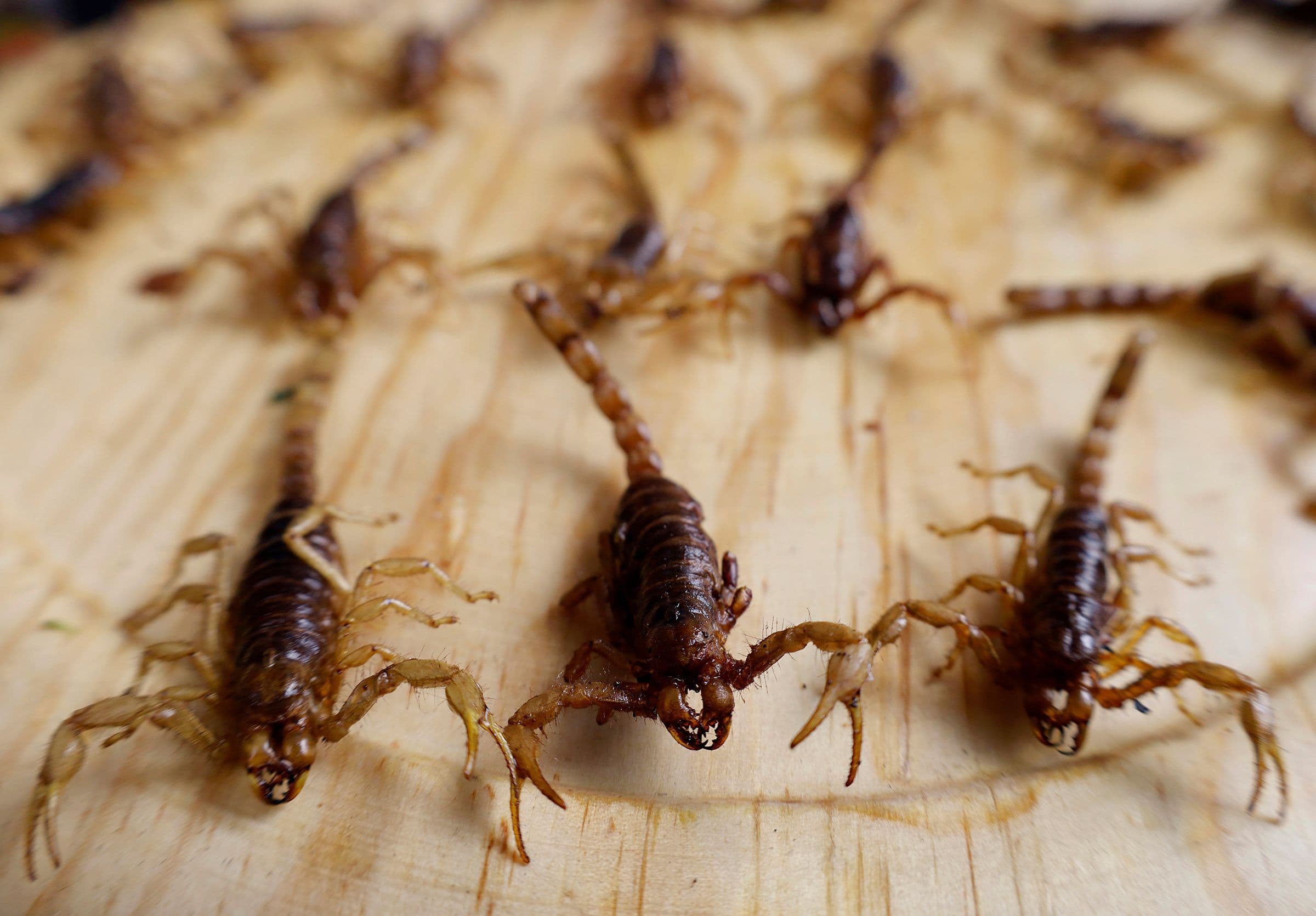
The source of these compounds was the venom of Diplocentrus melici, a scorpion species native to the Mexican state of Veracruz. Within its toxin, researchers identified two colorless molecules known as benzoquinones — heterocyclic compounds that contain no amino acids. What makes these molecules particularly fascinating is their behavior upon exposure to air: they oxidize and transform in color, with one turning a distinct blue and the other a vivid red.
This color-changing property proved scientifically invaluable. It allowed the team to determine the precise chemical structure of each compound, replicate them synthetically in a laboratory setting, and rigorously assess their biological activity.
What Each Molecule Can Do
Testing revealed a clear division of labor between the two benzoquinones. The blue compound demonstrated strong activity against the bacteria responsible for tuberculosis, while the red compound proved effective at combating Staphylococcus aureus. Richard Zare, a distinguished physical chemistry expert and professor at Stanford University, contributed to the research process, lending additional credibility and scientific rigor to the findings.
Collaborator Rogelio Hernández Pando, from the Salvador Zubirán National Institute of Medical Sciences and Nutrition, conducted trials using a mouse model with induced tuberculosis. His results confirmed that the blue benzoquinone functions as a highly effective antibiotic against the disease.
Broader Antibacterial Potential
The research didn't stop there. Further investigation revealed that the blue benzoquinone also shows efficacy against Acinetobacter baumannii, a highly drug-resistant opportunistic pathogen commonly linked to bloodstream infections, urinary tract infections, lung infections, and wound complications — particularly within hospital settings.
Both molecules derived from scorpion venom have now been patented in Mexico and South Africa. Researchers are currently developing nanoparticle-based delivery systems designed to stabilize and protect the compounds, enabling safe administration within the human body.
Possani Postay noted that the next critical step involves clinical trials, though he acknowledged the substantial financial investment such trials require. He expressed keen interest in partnering with a national pharmaceutical company to scale production of the compounds.
A Spicy Discovery: Antibiotic Properties Found in Habanero Peppers
The Peptide Hidden in a Chili
In a parallel line of research, a separate UNAM Biotechnology Institute team made a striking discovery: a peptide found in the habanero chili pepper (Capsicum chinense) carries the ability to combat opportunistic bacteria that pose serious risks, particularly to immunocompromised patients.
The project, led by Gerardo Corzo Burguete in collaboration with Georgina Estrada Tapia of the Yucatan Scientific Research Center, zeroed in on Pseudomonas aeruginosa — a pathogen the World Health Organization classifies as high priority due to its alarming resistance to standard antibiotics.
Developing XisHar J1-1
The team identified a specific peptide called defensin J1-1 within the habanero pepper and used it as the foundation for a biotechnological drug development process. The resulting compound, named XisHar J1-1, demonstrated effectiveness against Pseudomonas aeruginosa and also shows potential in treating fungal infections.
Production involved genetically modifying a bacterium to generate defensin J1-1, then culturing it through submerged fermentation — an industrial-scale technique widely used for producing biological compounds. The peptide was subsequently extracted and purified for antibiotic application.
Promising Results, With Caveats
While experimental outcomes were encouraging, Estrada Tapia acknowledged a key limitation: the study relied on a laboratory strain rather than a resistant strain sourced directly from patients. Despite this, both the natural defensin and its synthetic variations showed measurable efficacy, and the compound has been granted a patent in Mexico.
The team is pressing forward, with the next phase of research set to include testing against resistant patient-derived strains to more fully validate the therapeutic potential. Researchers also noted that further work is needed to address the molecule's susceptibility to degradation within different biological systems.
A Broader Battle Against Antimicrobial Resistance
Team member Iván Arenas Sosa underscored the larger significance of both research lines, emphasizing that while there is still considerable ground to cover, these advances represent a meaningful step forward in addressing one of the most pressing medical challenges of our era.
"The problem of antibiotic-resistant bacteria has increased in recent years and will continue in the future," he stated. "It is essential to promote projects aimed at the discovery of new molecules and the development of innovative treatments to address antimicrobial resistance."
From scorpion venom to chili peppers, nature continues to offer unexpected blueprints for medical breakthroughs — and these findings suggest that the next generation of life-saving antibiotics may already be hiding in plain sight.