Scientists Discover Hidden Immune 'Brake' That Helps Cancer Escape Treatment
A newly identified molecule called SLAMF6 suppresses the body's cancer-fighting cells. Researchers have developed antibodies that block it — and the results are promising.
Why Some Cancer Treatments Eventually Stop Working
Despite remarkable advances in cancer immunotherapy, a frustrating reality persists: many patients either never respond to treatment, or they do at first — only to see the cancer return stronger than before. Now, a team of scientists may have found a key reason why.
Researchers have identified a previously unrecognized molecular mechanism that appears to help tumors dodge the immune system. At the center of this discovery is a molecule known as SLAMF6, which acts like a hidden brake on the body's cancer-fighting immune cells.
What Is SLAMF6 and Why Does It Matter?
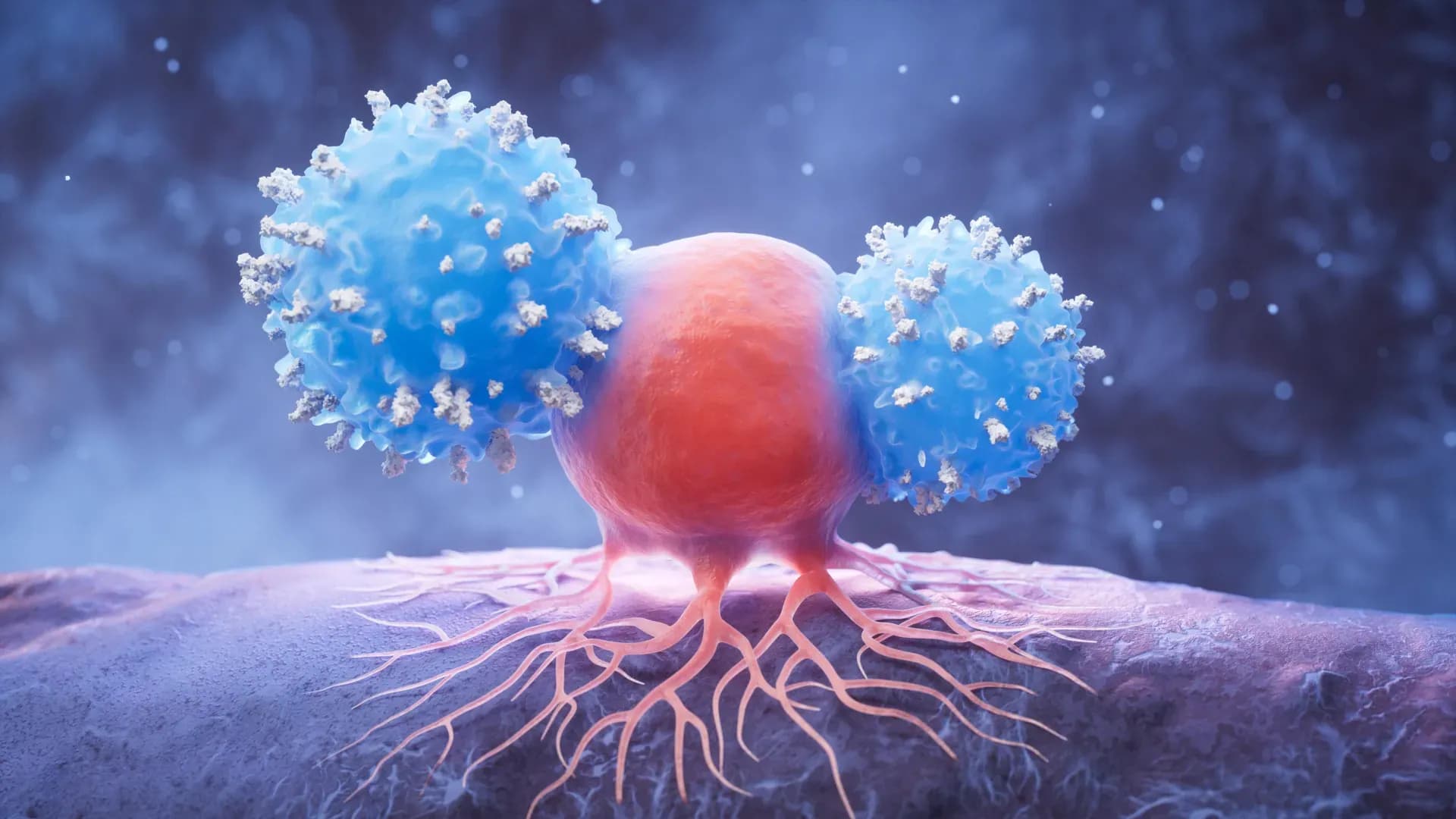
SLAMF6 is a molecule found on the surface of T cells — the immune system's frontline warriors against cancer. According to findings published in the prestigious journal Nature, this molecule can suppress T cell activity in a way that scientists had not previously recognized.
What makes SLAMF6 particularly unusual is how it operates. Most known immune checkpoints — molecules that limit immune responses — require a signal from tumor cells to kick into action. SLAMF6 is different: it can activate itself directly on T cell surfaces without needing outside input from the tumor.
Once triggered, SLAMF6 sends internal signals that gradually wear down T cells, leaving them exhausted and far less capable of attacking cancer. Over time, this contributes to treatment resistance and immune failure.
The research was led by Dr. André Veillette, a medical professor at the Université de Montréal and director of the Molecular Oncology Research Unit at the Montreal Clinical Research Institute (IRCM). His team's findings represent a significant step forward in understanding why the immune system sometimes falls short in the fight against cancer.
The Problem With Current Immunotherapies
Modern cancer immunotherapies, particularly those targeting PD1 and PDL1 checkpoints, have transformed oncology over the past decade. These treatments work by stripping away inhibitory signals that tumors use to shield themselves from immune attack.
However, a substantial portion of patients do not benefit from these therapies. Some show no response at all, while others develop resistance after an initial period of improvement. The discovery of SLAMF6 as an independent suppressor suggests that current treatments may be leaving a critical vulnerability unaddressed.
New Antibodies Designed to Release the Brake
To counter SLAMF6's suppressive effects, Dr. Veillette and his colleagues engineered monoclonal antibodies specifically designed to prevent the molecule from binding to itself — the key step that triggers its immune-dampening signals.
The results from laboratory and animal testing were encouraging:
- The antibodies successfully blocked SLAMF6 activity in T cells
- Immune cells remained more active and durable when the molecule was inhibited
- Tumor-fighting ability was meaningfully enhanced in mouse models
- The newly developed antibodies outperformed all existing approaches that had previously attempted to target SLAMF6
These outcomes suggest that blocking this internal brake could reinvigorate a patient's immune response in ways that current checkpoint inhibitors cannot achieve alone.
A Potential New Class of Cancer Therapy
The research team believes these antibodies could form the basis of an entirely new category of cancer immunotherapy. They may prove especially valuable for patients who have stopped responding to PD1 or PDL1-based treatments — a group with very limited options today.
The antibodies are designed to be flexible in their application. They could potentially be administered as a standalone treatment or used in combination with other immune-stimulating therapies to produce a more powerful and sustained anti-tumor response.
What Comes Next?
The immediate next step for the research team is to move into early-stage clinical trials. These trials will evaluate both the safety profile and the therapeutic effectiveness of the antibodies in patients with solid tumors and blood cancers.
Broader Impact on Cancer Research
Leaders at the IRCM expressed strong optimism about the discovery's potential. Dr. Jean-François Côté, president and scientific director of the institute, described the findings as opening "a new chapter in immunotherapy."
"By identifying an internal brake that had until now gone unrecognized and by developing antibodies capable of neutralizing it, our researchers are offering an innovative solution to the limitations of current treatments," Dr. Côté said.
He added that the breakthrough reflects the institute's broader commitment to precision therapeutics and translational research — work that bridges laboratory science and real-world patient care.
The study was funded by the Canadian Institutes of Health Research, the Terry Fox Research Institute, BioCanRx, Québec's Ministry of Economy, Innovation and Energy, and the Canadian Foundation for Innovation.