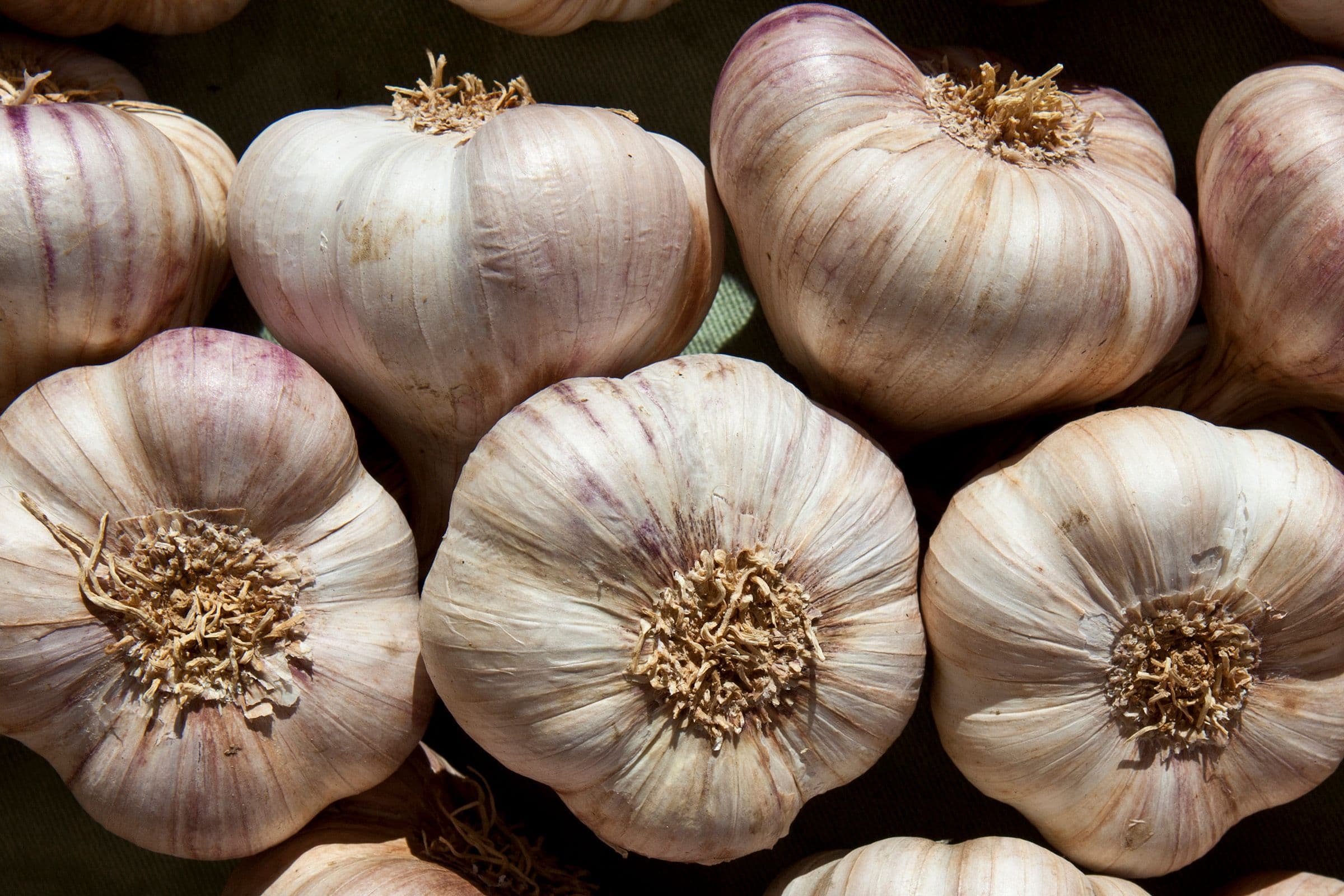
Science Confirms Garlic Can Stop Mosquitoes From Mating and Reproducing
Yale researchers discovered that garlic doesn't just repel insects — it actually blocks their ability to mate and lay eggs, offering a natural pest control solution.
Garlic's Hidden Power Over Insect Reproduction
Researchers at Yale University have uncovered a surprising new use for one of the world's most common kitchen ingredients. In a detailed phytochemical study examining 43 different fruits and vegetables, scientists set out to identify natural compounds capable of disrupting the reproductive behavior of flying insects. Their unexpected conclusion? Garlic stands in a class of its own.
The research team selected fruit flies as their primary test subject, largely because this species is known to mate on food surfaces — making them an ideal model for studying how edible substances might influence insect behavior. The working hypothesis was straightforward: if insects regularly interact with food during mating, certain plant compounds might interfere with that process.
What Happened When Insects Encountered Garlic
After exposing fly specimens to mashed versions of all 43 foods tested, the scientists found that the vast majority had no meaningful effect on reproductive activity. None of the other foods produced a notable aphrodisiac or inhibitory response. Garlic, however, was a dramatic exception — it completely shut down both mating behavior and egg-laying.
This striking result prompted a deeper investigation. The team wanted to understand whether the effect was driven by smell, taste, or both. They designed two separate experiments: one in which the flies could only detect the odor of garlic puree, and another in which they were allowed direct contact with it. The data clearly pointed to taste as the critical factor. Simply smelling garlic was not enough — the insects had to experience it on their sensory organs for reproduction to be suppressed.
The Chemical Compound Behind the Effect
A subsequent chemical analysis of garlic identified the specific compound responsible for this biological interference: diallyl disulfide. This sulfur-containing molecule targets a sensory receptor found in the fly's taste organs called TrpA1 — a receptor that functions as a biological alarm system, triggering immediate avoidance responses when potentially harmful or aversive substances are detected.
When diallyl disulfide activates TrpA1, it stimulates a specific group of bitter-taste neurons, prompting not only a physical rejection response but also measurable changes at the genetic level. Published findings in the journal Cell reveal that garlic exposure alters the expression of multiple genes in these insects, including one strongly associated with the sensation of fullness or satiety.
How Satiety Suppresses Reproduction
This connection to satiety is particularly significant. The researchers believe that when garlic compounds trigger feelings of fullness in female insects, it directly interferes with the biological signals that normally drive appetite, feeding, and ultimately reproduction. In other words, garlic appears to short-circuit the chain of events that leads to mating by making the insects feel as though they have already fed — even when they haven't.
Effective Across Multiple Insect Species
To confirm that these findings were not limited to fruit flies, the research team repeated their experiments on several other flying insect species. These included two mosquito species responsible for transmitting serious illnesses such as dengue fever, yellow fever, and the Zika virus, as well as tsetse flies, which are vectors for sleeping sickness. In every case, garlic demonstrated a consistent ability to suppress reproductive behavior.
This broad effectiveness suggests that the mechanism at work is not species-specific but may be a common vulnerability across a range of flying insects with similar sensory biology.
A Scalable, Natural Solution for Pest Control
The implications of this research extend well beyond the laboratory. The findings suggest that Allium sativum — common garlic — could be developed into a cost-effective, environmentally friendly tool for managing insect populations that threaten both public health and global food supply chains.
John Carlson, a Yale professor and co-author of the study, highlighted garlic's practical appeal: "It's inexpensive and grown all over the world." He also noted a curious historical footnote to the discovery. "The idea of using it to ward off hematophagous creatures was proposed in 1897 by Bram Stoker in his novel Dracula, and perhaps he was right."
While Stoker's intentions were purely fictional, modern science may have validated his instinct in ways he never anticipated — with garlic proving to be a genuine deterrent not just for mythical vampires, but for some of the world's most dangerous real-world pests.