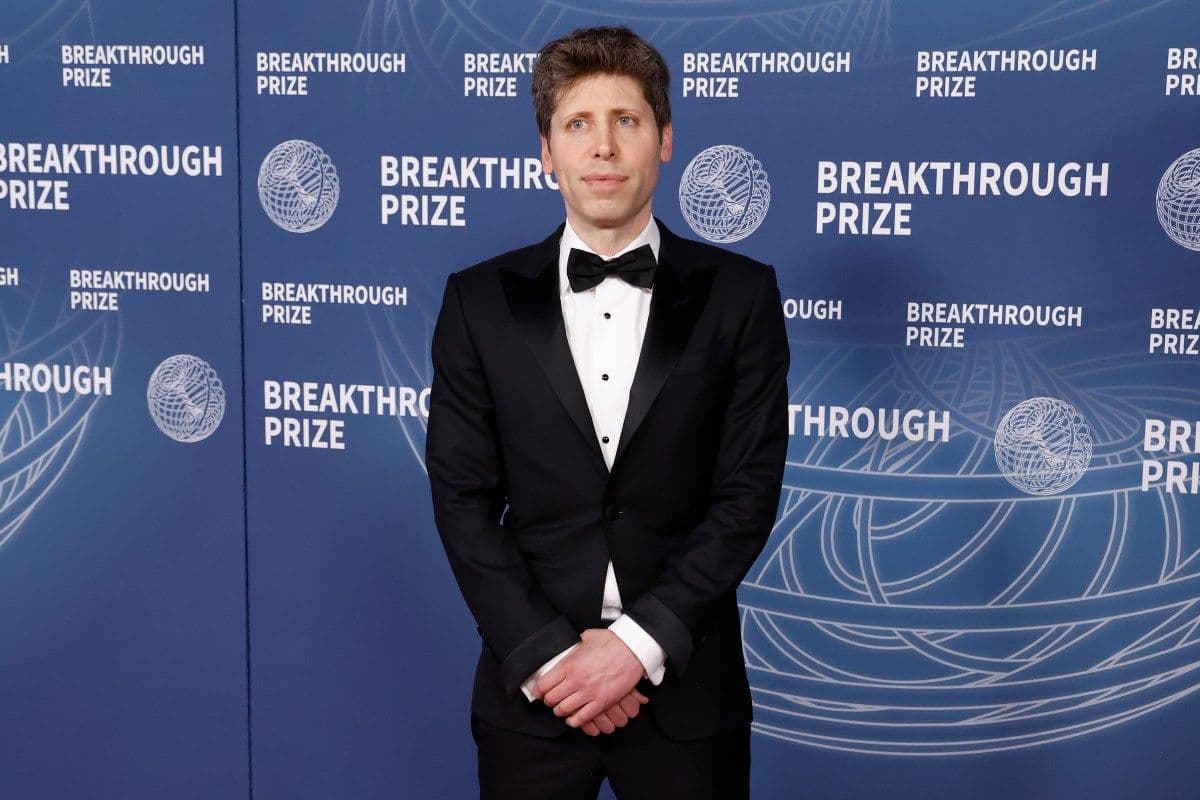
Sam Altman Slams Anthropic's Mythos as 'Fear-Based Marketing' in Heated AI Rivalry
OpenAI CEO Sam Altman publicly criticized Anthropic's cybersecurity model Mythos, accusing the company of using fear tactics to market its AI tools.
OpenAI vs. Anthropic: The Rivalry Heats Up
The ongoing tension between two of Silicon Valley's most prominent AI companies escalated this week when OpenAI CEO Sam Altman took a pointed jab at rival Anthropic during a podcast appearance. His target: Anthropic's newly unveiled cybersecurity model, Mythos — and the marketing strategy surrounding it.
What Is Mythos and Why Is It Controversial?
Earlier this month, Anthropic introduced Mythos, a specialized AI model designed for cybersecurity applications. Rather than making it broadly available, the company chose to release it exclusively to a select group of enterprise clients. Anthropic's reasoning? The model is allegedly too capable and too dangerous to place in the hands of the general public, citing concerns that bad actors could exploit it for malicious purposes.
However, this justification has not gone unchallenged. Several critics have pushed back against what they describe as exaggerated and sensationalized claims about the model's potential for harm.
Altman's Sharp Criticism
Appearing on the podcast Core Memory, Altman wasted no time in calling out what he labeled as "fear-based marketing." He suggested that Anthropic's approach conveniently serves those who have long preferred to keep advanced AI technology concentrated among a privileged few.
"There are people in the world who, for a long time, have wanted to keep AI in the hands of a smaller group of people," Altman stated. "You can justify that in a lot of different ways."
He then deployed a colorful analogy to drive his point home: "It is clearly incredible marketing to say, 'We have built a bomb, we are about to drop it on your head. We will sell you a bomb shelter for $100 million.'" The implication was clear — Altman believes Anthropic is manufacturing fear to boost the perceived value of its product while simultaneously limiting access to it.
The Pot Calling the Kettle Black?
While Altman's critique landed with force, it is worth noting that fear-driven narratives are hardly unique to Anthropic. The broader AI industry has a well-documented history of leveraging hyperbole and apocalyptic rhetoric to amplify the perceived importance of its products.
Perhaps most notably, Altman himself has not been immune to such messaging. He has previously spoken publicly about the existential risks posed by artificial intelligence — the very type of doomsday framing he now criticizes in his competitor. This irony has not been lost on industry observers, who point out that stoking fear about AI's potential dangers has been a recurring theme across the entire sector, not just within Anthropic's boardroom.
A Broader Pattern in AI Marketing
The exchange between Altman and Anthropic reflects a broader tension within the AI industry: the balance between responsible communication about genuine risks and the temptation to weaponize those risks for competitive advantage. As AI companies race to capture enterprise clients and public mindshare, the line between legitimate safety warnings and strategic fearmongering continues to blur.
Whether Anthropic's caution around Mythos is genuinely warranted or primarily a calculated marketing move remains a matter of debate. What is clear, however, is that as AI capabilities grow, so too will the battle over how those capabilities are framed — and who gets to control the narrative.