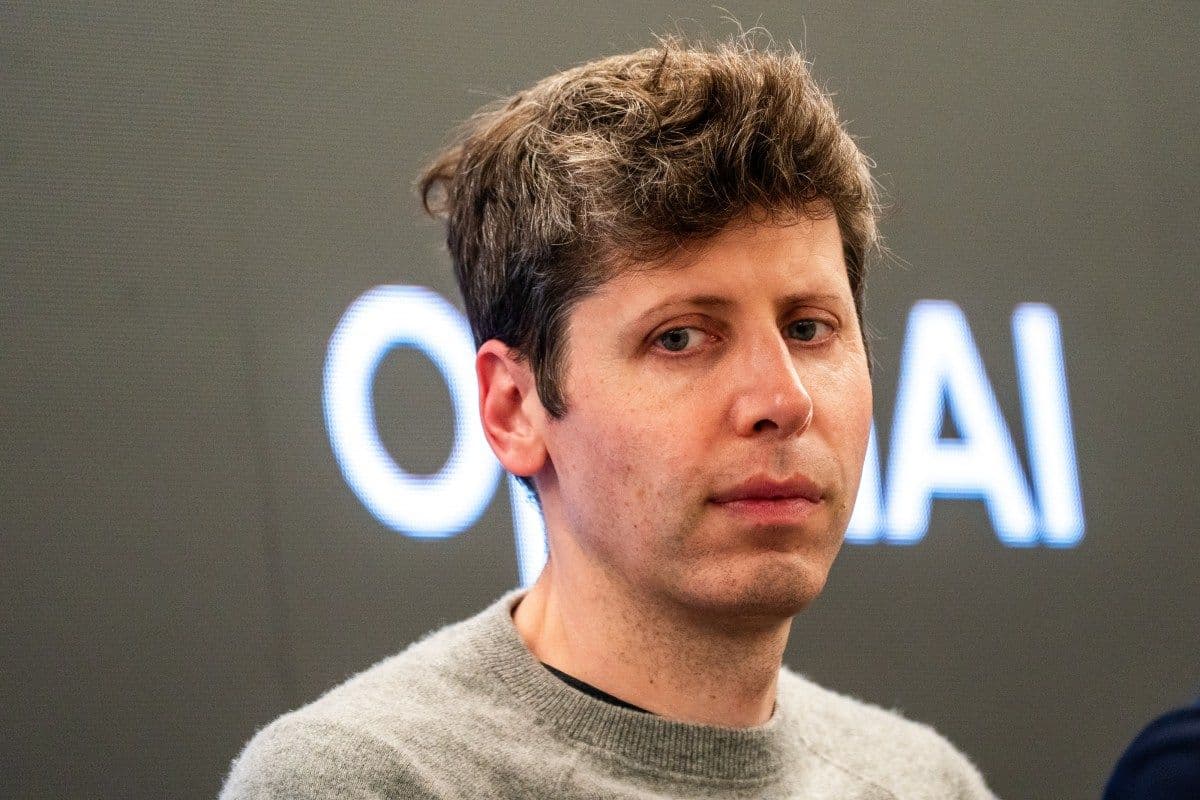
Sam Altman Breaks Silence After Home Attack and Scathing New Yorker Exposé
OpenAI's CEO fires back following a Molotov cocktail attack on his home and a damning investigative profile questioning his integrity.
Sam Altman Responds to Home Attack and Controversial Profile
OpenAI CEO Sam Altman took to his blog late Friday evening to address two unsettling events that collided in a single week: a physical attack on his San Francisco home and a deeply critical investigative article published by The New Yorker that has sparked widespread conversation about his character and leadership.
Molotov Cocktail Thrown at Altman's Home
In the early hours of Friday morning, an unknown individual allegedly hurled a Molotov cocktail at Altman's San Francisco residence. Fortunately, no injuries were reported. Authorities later apprehended a suspect at OpenAI's headquarters, where the individual had reportedly arrived making threats to set the building on fire, according to a statement from the San Francisco Police Department. The suspect's identity has not been officially released.
Altman drew a direct connection between the attack and a recently published profile, suggesting the timing was not coincidental. He revealed that someone close to him had warned that the article's release — arriving at a moment of intense public anxiety surrounding artificial intelligence — could put him at greater personal risk.
"I brushed it aside," Altman wrote. "Now I am awake in the middle of the night and pissed, and thinking that I have underestimated the power of words and narratives."
The New Yorker Investigation
The article at the center of the controversy was authored by Ronan Farrow — the Pulitzer Prize-winning journalist who broke the Harvey Weinstein sexual abuse story — alongside Andrew Marantz, a seasoned writer covering technology and politics. Their investigation drew on interviews with more than 100 individuals familiar with Altman's professional conduct.
The portrait that emerged was not flattering. A majority of sources described Altman as someone possessing an extraordinary and unsettling drive for power — one that, as the writers noted, stands out even among the most ambitious figures in the tech industry. The piece echoed concerns raised by other journalists who have examined Altman's leadership style over the years.
Perhaps most striking was a quote from an anonymous board member, who characterized Altman as someone who blends a deep need to be liked and to please others in the moment with what they called "a sociopathic lack of concern for the consequences that may come from deceiving someone."
Altman Acknowledges Mistakes and Reflects on His Leadership
In his written response, Altman did not shy away from self-examination. He acknowledged a tendency toward conflict avoidance, describing it as a character flaw that has repeatedly cost both him and the company.
"I am not proud of handling myself badly in a conflict with our previous board that led to a huge mess for the company," he wrote — a reference widely understood to be about his dramatic firing and swift reinstatement as OpenAI CEO in November 2023. "I have made many other mistakes throughout the insane trajectory of OpenAI; I am a flawed person in the center of an exceptionally complex situation, trying to get a little better each year, always working for the mission."
He extended an apology to those he has hurt, writing, "I am sorry to people I've hurt and wish I had learned more faster."
The 'Ring of Power' Analogy
Altman also offered a broader philosophical reflection on the competitive and often turbulent dynamics within the AI industry, describing what he called a "ring of power" dynamic — borrowing from Tolkien's legendary metaphor — that he believes drives irrational and destructive behavior among the field's key players.
He was careful to clarify that AGI itself is not the ring, but rather the ideology of seeking to be the singular entity that controls it. His remedy? Broad distribution of AI technology, ensuring no single person or organization wields unchecked dominance.
"I don't mean that AGI is the ring itself, but instead the totalizing philosophy of 'being the one to control AGI,'" he explained. His answer, he said, is "to orient towards sharing the technology with people broadly, and for no one to have the ring."
A Call for Measured Dialogue
Altman closed his post by reaffirming his openness to criticism and debate, while calling for a cooling of the heated rhetoric that increasingly surrounds conversations about AI and its most prominent figures.
"While we have that debate, we should de-escalate the rhetoric and tactics and try to have fewer explosions in fewer homes, figuratively and literally," he wrote — a line that carried both a pointed personal meaning and a broader appeal for civil discourse in an era defined by technological transformation.