Romania's Eurovision Entry 'Choke Me' Sparks Fierce Debate Over Sexual Strangulation Glorification
Romania's Eurovision song 'Choke Me' is under fire from campaigners who warn its lyrics dangerously normalise sexual strangulation among young women.

Romania's Eurovision Song Ignites Controversy Over Sexual Strangulation Concerns
Romania's entry for this year's Eurovision Song Contest has come under intense scrutiny after campaigners, legal experts, and fans accused it of glorifying sexual strangulation — a physically dangerous practice linked to serious brain injury and death.
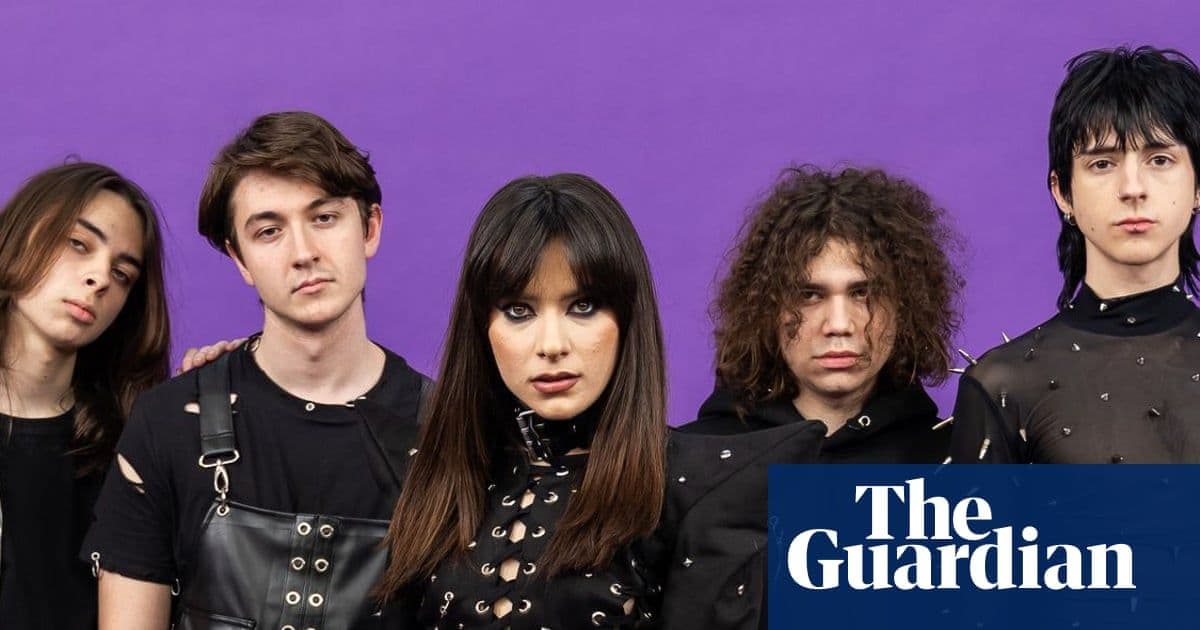
The song, titled Choke Me, is performed by Alexandra Căpitănescu, a former champion of the Romanian edition of The Voice. Throughout the track's three-minute runtime, the phrase "choke me" is repeated no fewer than 30 times, alongside other vivid lines such as "It's hard to breathe in," "I want you to choke me," and "make my lungs explode."
Experts Sound the Alarm
Professor Clare McGlynn, a law scholar at Durham University and author of Exposed: The Rise of Extreme Porn and How We Fight Back, has been among the most vocal critics of the track. She described the song's repeated sexualised messaging as reflecting "an alarming disregard for young women's health and wellbeing."
"The selection of this song by Romania and Eurovision, along with its active promotion by those organisations, represents a reckless normalisation of a genuinely dangerous act," McGlynn stated. "It is playing fast and loose with young women's lives. Emerging medical evidence increasingly shows that frequent sexual strangulation is causing lasting brain damage in young women."
A Norway-based Eurovision commentator and trained psychologist, known online as ESC Norway, echoed those concerns. She argued the song was deliberately leveraging a disturbing trend that has been normalised through pornography culture. "They know exactly what they're doing," she said. "They're capitalising on a topic that's become popular and normalised through porn — and that is genuinely terrifying."
The Medical Evidence
The backlash against Choke Me is grounded in a growing body of medical research. Studies indicate that more than half of people under the age of 35 have experienced strangulation, yet nearly a third incorrectly believe there are safe methods of doing so.
Scientific research has documented measurable brain changes in women who have been repeatedly choked during sexual activity, including biological markers associated with brain damage and disruptions in brain hemisphere connectivity — patterns linked to depression and anxiety. Additionally, close to half of those who experienced strangulation reported feelings of anxiety during or after the act, with even a brief episode carrying the potential for lifelong health consequences.
Calls for Disqualification and Lyric Changes
Online backlash has grown rapidly, with a significant number of Eurovision fans demanding either the song's disqualification from the contest or a formal revision of its lyrics. The situation draws parallels to previous Eurovision controversies — most notably, a complaint filed by the BBC to the European Broadcasting Union (EBU) last year, which resulted in Malta's entry being ruled against due to lyrics containing a word that sounded like a profanity. In prior years, the EBU has also required contestants to remove words such as "shit" and "pussy" from their submissions.
Sources indicate the BBC has not filed a formal complaint regarding Romania's current entry. The song's official video remains accessible on the EBU's website. Both the BBC and EBU were approached for comment.
The Artist's Defence
Căpitănescu has pushed back against the criticism, insisting the song's provocative imagery is metaphorical rather than literal. She explained that the concept behind the lyrics reflects the overwhelming sensation of being consumed by powerful emotions and suffocated by self-doubt — not a glorification of physical harm.
Despite her explanation, critics argue that intent does little to reduce the real-world impact of repeatedly broadcasting such language to a massive, predominantly young audience.
Professor McGlynn added: "Many young women do not want to engage in strangulation or choking, but its normalisation makes them feel pressured to comply — despite their instincts telling them otherwise. Promoting it in this way makes it even harder for young women to resist. And failing to resist puts their health and lives at genuine risk. Why do we seem to care so little about the wellbeing of young women?"
Eurovision Also Under Fire Over Israel Controversy
The debate over Romania's entry is unfolding against a broader backdrop of controversy surrounding this year's Eurovision. The competition is facing a partial boycott from activists and broadcasters over the continued participation of Israel, which stands accused of committing genocide against Palestinians in Gaza.
Israel's entry drew additional scrutiny after the Israeli government was found to have run paid social media advertisements urging people to vote for its own act — a move critics labelled outright propaganda. The entry ultimately finished in second place, a result that prompted widespread suspicion.
Several European public broadcasters — including those from Ireland, the Netherlands, Belgium, Spain, Iceland, and Finland — formally requested an audit of the voting system following the result. Allegations emerged that Israeli voters had used European credit cards to cast dozens or even hundreds of votes, artificially inflating the tally. Many observers pointed to the stark contrast between the Israeli entry receiving the maximum 12 points from the UK public vote while being awarded zero points by the professional jury panel.