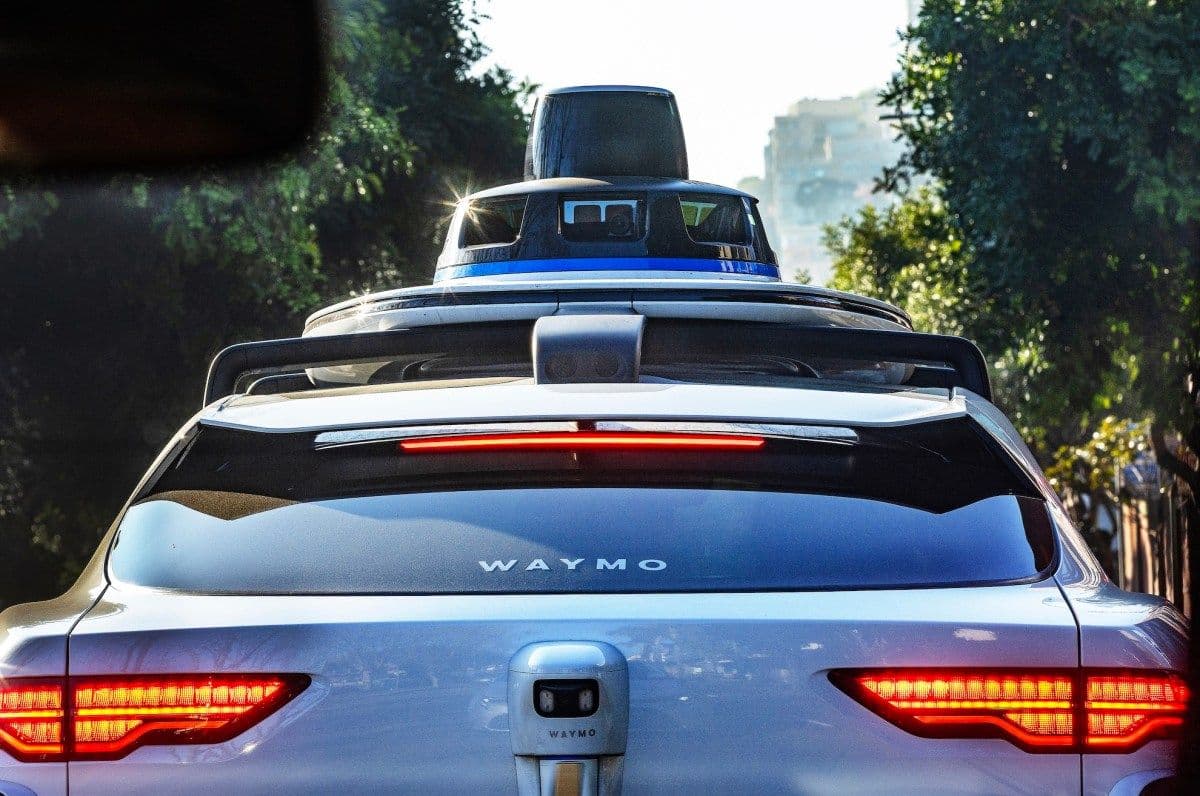
Robotaxi Firms Stay Silent on How Often AVs Need Remote Human Assistance
Seven autonomous vehicle companies refused to reveal how frequently their self-driving cars rely on remote human operators, raising serious transparency concerns.
Autonomous Vehicle Companies Dodge Key Questions on Remote Operations
Back in February, Massachusetts Senator Ed Markey sent formal inquiry letters to seven companies operating in the autonomous vehicle space. His central concern was straightforward: how often do these self-driving vehicles actually depend on human staff working remotely to function safely? The companies in question — Aurora, May Mobility, Motional, Nuro, Tesla, Waymo, and Zoox — each refused to provide a clear answer. The findings, made public on Tuesday, paint a troubling picture of an industry that remains deeply reluctant to be transparent.
A Pattern of Secrecy in the AV Industry
This latest development is far from an isolated incident. Autonomous vehicle companies have consistently resisted sharing detailed information about their day-to-day operations, even as they continue testing and deploying this technology on roads shared by the general public.
Senator Markey's office was blunt in its assessment: "This report has revealed a stunning lack of transparency from the AV companies around their use of remote assistance operators to help guide their AVs. The investigation exposed a patchwork of safety practices across the industry, with significant variation in operator qualifications, response times, and overseas staffing — all without any federal standards governing these operations."
In response, Markey announced he is urging the National Highway Traffic Safety Administration (NHTSA) to launch a formal investigation into how these companies use remote assistance workers. He also confirmed he is actively drafting legislation to establish firm regulations around the use of remote operators in the AV industry.
What Triggered the Investigation
The inquiry was sparked during a Senate Commerce Committee hearing focused on the future of self-driving vehicles. At that session, Waymo's Chief Safety Officer Mauricio Peña acknowledged that the company's robotaxis sometimes require guidance from remote assistance teams when encountering complex or unexpected situations. He also disclosed that roughly half of Waymo's remote assistance workforce is stationed in the Philippines — a revelation that drew immediate scrutiny.
While autonomous vehicle companies have occasionally touched on the subject of remote operations over the years, those discussions were largely abstract, occurring when the technology was still primarily in development. Now that companies like Waymo have commercially deployed robotaxi fleets and Aurora is operating self-driving semi-trucks, public interest in the full scope of their operations has grown considerably.
What the Companies Actually Said — and Didn't Say
Following the Senate hearing, Markey sent each company a list of 14 specific questions covering topics such as the frequency of remote interventions, team sizes and locations, licensing requirements for remote operators, and cybersecurity protocols.
The responses varied dramatically — and were largely evasive. Not a single company directly answered the question about how often their remote staff are called upon to assist autonomous vehicles. Waymo and May Mobility went so far as to label this information as "confidential business information." Tesla's response letter omitted the question entirely, offering no explanation.
Waymo did note that advances in its self-driving technology have "materially reduced" the rate at which vehicles request remote help, but provided no supporting data. The company also claimed that in the majority of cases, its autonomous systems resolve issues on their own before a remote agent even has a chance to respond.
The Overseas Staff Controversy
Waymo was the only company to acknowledge employing remote assistance workers based outside the United States. Although the company states that these workers hold local driver's licenses, Markey's office pushed back on this, arguing that a foreign driver's license is not an adequate substitute for passing a U.S. licensing exam, given the significant differences in road rules between countries.
Remote Control Capabilities
Another notable point of divergence was the question of whether remote operators can directly control autonomous vehicles. Every company except Tesla stated that remote staff either cannot or are not permitted to take direct control of vehicles. Tesla, however, disclosed that its remote operators are authorized to temporarily assume direct control as a last resort — but only when the vehicle is traveling at 2 miles per hour or less, and only up to a maximum speed of 10 miles per hour.
Tesla explained this capability is intended to help reposition a vehicle that may be blocking traffic or in a hazardous location, reducing the need to wait for emergency responders or company field staff to intervene physically.
This distinction has become a point of contention for Waymo, which recently faced criticism from San Francisco officials over its reliance on first responders to move robotaxis that become stuck. Waymo does operate its own roadside assistance team, though that aspect of its operations was outside the scope of Markey's inquiry.
Some Data Was Uncovered
Despite the widespread evasiveness, Markey's investigation did surface some useful information. The report reveals the communication latency involved in remote assistance interactions, which differs across companies. May Mobility reported the longest worst-case delay at 500 milliseconds. The report also sheds light on how companies manage operator fatigue and what security measures are in place to protect sensitive data.
What Comes Next
The questions surrounding remote operations in the autonomous vehicle industry are not new, but they are becoming increasingly urgent. As more commercial deployments roll out across the country, the demand for clear, standardized answers will only intensify. Senator Markey's office may be one of the first to formally press for accountability — but it almost certainly won't be the last.