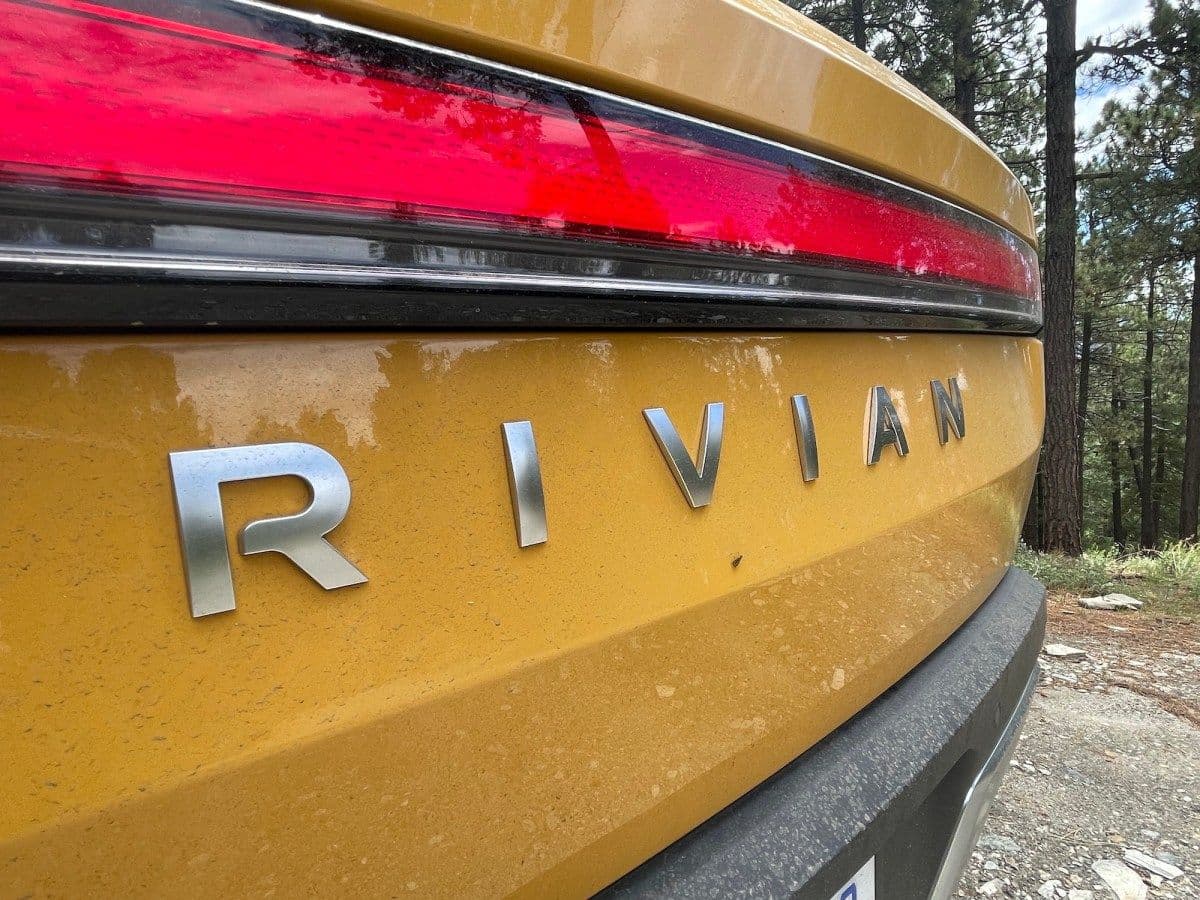
Rivian Faces Class Action Lawsuit Over Alleged Self-Driving Feature Deception
Rivian is being sued by R1 vehicle owners who claim the EV maker spent years falsely promising hands-free autonomous driving capabilities that never materialized.

Rivian Hit With Class Action Suit Over Broken Autonomous Driving Promises
Electric vehicle manufacturer Rivian is now facing a class action lawsuit that accuses the company of deliberately misleading consumers about the self-driving capabilities of its flagship R1T pickup truck and R1S SUV. The complaint, filed Wednesday in the U.S. District Court for the Central District of California, centers on first-generation versions of both vehicles and paints a picture of a company that made grand promises it allegedly never intended to keep.
What the Lawsuit Claims
According to the plaintiffs, Rivian spent approximately five years running a nationwide marketing campaign in which it allegedly assured buyers that its Driver+ system would bring hands-free, eyes-off driving to every vehicle it produced. This type of capability falls under what the Society of Automotive Engineers (SAE) classifies as Level 3 autonomy — a standard that allows a vehicle to independently manage steering, acceleration, and braking under specific conditions, such as highway driving or low-speed travel, without requiring constant driver input. It is important to note that Level 3 autonomy does not mean the vehicle operates without any human oversight; drivers must remain alert and ready to intervene when the situation demands it.
The legal complaint pulls no punches in its characterization of Rivian's conduct. It states that no software update, regardless of its sophistication, will ever enable first-generation R1 vehicles to perform as advertised. Furthermore, the complaint alleges that Rivian was fully aware its Gen 1 vehicles could never achieve Level 3 autonomy or genuine hands-free driving, yet continued promoting these supposed capabilities to drive consumer purchases.
Among the specific incidents highlighted in the suit is Rivian CEO RJ Scaringe's appearance at TechCrunch Disrupt 2022, during which he reportedly made statements regarding the company's autonomous driving ambitions.
Legal Representation and Claims
Three named plaintiffs are included in the lawsuit, which is being handled by law firms Coleman Law and Tycko & Zavareei. The legal team has formally requested a jury trial. The complaint lodges several serious allegations against Rivian, including fraud, negligent misrepresentation, and unjust enrichment.
Rivian has chosen not to publicly address the lawsuit, citing the ongoing nature of the litigation as its reason for declining comment.
Rivian's Legal History and the Gen 2 Divide
This is not the first time Rivian has found itself in legal hot water. The company previously settled a class action lawsuit brought by shareholders for $250 million following a controversial price hike on its R1 models back in 2022.
What makes the current dispute particularly pointed is the contrast between Rivian's first- and second-generation vehicles. First-generation R1T and R1S models do not offer hands-free driving in any form. However, when Rivian overhauled its R1 lineup in 2024, the second-generation models received a comprehensive internal upgrade — including a redesigned battery pack, updated suspension, revamped electrical architecture, new interior seating, and an enhanced sensor array.
Second-Generation Capabilities
The second-gen vehicles were outfitted with what Rivian calls its "Rivian Autonomy Platform," a system that comes standard and includes 11 cameras, five radar sensors, and a central computer boasting ten times the processing power of the previous generation. These vehicles initially launched with adaptive cruise control and a highway assist feature capable of automated steering, braking, and acceleration on select highway routes.
Later, Rivian pushed out a software update introducing "Universal Hands-Free" driving to second-generation vehicles. This feature enables drivers to remove their hands from the steering wheel across more than 3.5 million miles of roadway throughout the United States and Canada — covering a blend of highways and surface streets — provided visible lane markings are present.
First-generation owners, however, receive none of these upgrades, which forms the crux of the lawsuit.
A Broader Industry Problem
Rivian is hardly alone in facing legal and regulatory scrutiny over autonomous driving claims. Tesla and its CEO Elon Musk have been making bold assertions about full vehicle autonomy for the better part of a decade through the company's Full Self-Driving software. A number of Tesla owners have pursued legal action over the company's failure to deliver on those promises.
Regulators have also stepped in. The California Department of Motor Vehicles filed formal accusations alleging Tesla violated state law by misleading consumers about the capabilities of both its Autopilot system and its more advanced Full Self-Driving software. A judge ultimately sided with the DMV. However, the agency chose in February not to impose a 30-day suspension of Tesla's California sales and manufacturing licenses — a penalty it waived after the automaker agreed to stop using the term "Autopilot" in its California-based marketing materials.
As the EV industry continues to mature and competition intensifies, the gap between marketing language and real-world capability is increasingly becoming a legal battleground — one that automakers are learning can carry significant financial and reputational consequences.