River Wye Becomes First UK River Granted Full Source-to-Sea Rights Charter
The River Wye has made history as the first UK river awarded a cross-border charter protecting its rights from source to sea, backed by councils and environmental groups.

River Wye Makes History With Landmark Rights Charter
The River Wye has achieved a significant milestone, becoming the first river in the United Kingdom to receive a comprehensive cross-border charter that protects its rights from its source all the way to the sea. The historic document was officially unveiled in the town of Hay-on-Wye, coinciding with the area's renowned annual festival, and has drawn widespread support from local authorities, environmental campaigners, and conservation organisations spanning both England and Wales.
What the Charter Means for the River
At its core, the charter formally acknowledges the vital role the River Wye plays for both people and the natural world — not just today, but for generations to come. Among its key principles is the recognition that the river holds an inherent right to carry out its natural ecological functions and to exist free from pollution.
Councillor Elissa Swinglehurst, who signed the document on behalf of Herefordshire Council and played an instrumental role in drafting it, expressed her hopes for the charter's wider impact.
"We hope what we've done here today will travel out into parish halls, communities, village halls, farms and schools," she said. "We hope this raises people's awareness that the river has a right to be respected."
Swinglehurst also voiced an ambitious vision for the future, suggesting that if the Wye could achieve this recognition, rivers like the Severn, the Avon, and even the Thames could follow suit — potentially paving the way for constitutional protections for nature across the country.
A River With a Rich but Troubled History
Stretching approximately 155 miles, the River Wye originates in Wales before flowing through the English counties of Herefordshire and Gloucestershire, then crossing back into Wales as it approaches the sea. It is widely regarded as one of the UK's most treasured waterways, celebrated for its scenic beauty and ecological richness.
However, the river has faced mounting environmental pressures in recent years. Pollution driven by agricultural runoff and sewage discharges has triggered harmful algal blooms, which deplete oxygen levels in the water and threaten the survival of aquatic wildlife. The situation has prompted numerous legal challenges from environmental advocates, and Natural England has downgraded the river's conservation status to "unfavourable — declining" — a stark warning about the state of the ecosystem despite existing protections under conservation law.
Broad Institutional Support Behind the Initiative
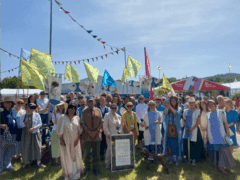
The charter launch drew hundreds of supporters who marched from the Hay Festival grounds to the Warren, a beloved open space situated along the riverbank. The event symbolised the collective commitment of communities on both sides of the border to safeguard the Wye's future.
The document has received formal endorsement from a range of institutions, including Herefordshire Council, the Forest of Dean District Council, the Bannau Brycheniog (Brecon Beacons) National Parks Association, and the Wye Valley National Landscape. Representatives from Powys and Monmouthshire councils also attended the ceremony, underscoring the cross-border solidarity behind the initiative.
While the River Ouse in Sussex was the first river in England to be covered by a similar charter, the Wye is the first in Wales — and crucially, the first anywhere in the UK to have such protections span its entire course from source to sea.
The Voice of the Wye: A New Role for River Advocacy
In a further step toward giving the river a formal presence in decision-making processes, ecologist Dr Louise Bodnor was appointed as the official 'Voice of the Wye' in April 2025. Selected by Herefordshire Council's Wye Catchment Nutrient Management Board, Dr Bodnor is empowered to speak on the river's behalf and cast votes representing its interests in official management meetings.
This pioneering role was established to ensure the river has a genuine legal and ecological voice in the decisions that shape its future — a concept that reflects a growing global movement recognising the rights of nature as a legitimate framework for environmental protection.