RFK Jr Accused of Bullying Scientific Journal Over Retracted Vaccine Study
Health Secretary Robert F. Kennedy Jr. faces backlash after sending a letter demanding answers from a medical journal that pulled a flawed vaccine study.

RFK Jr. Faces Backlash Over Letter to Medical Journal
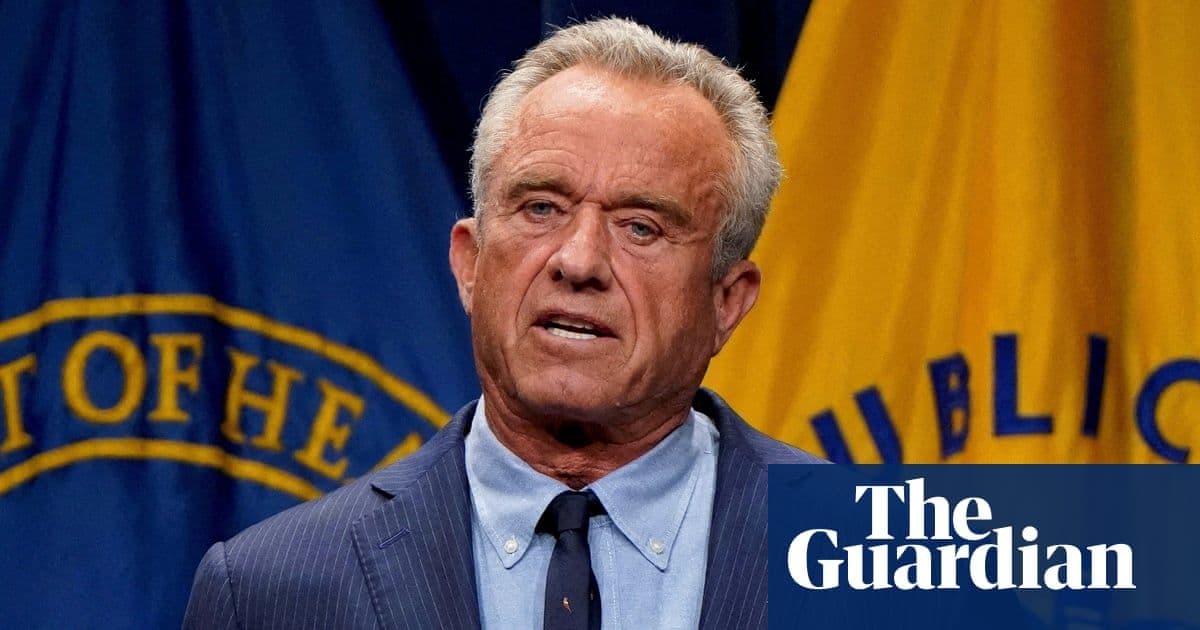
US Health and Human Services Secretary Robert F. Kennedy Jr. has come under sharp criticism from public health experts after sending a letter to a medical journal demanding an explanation for its decision to remove a study that claimed a link between vaccines and infant deaths.
The letter, which Kennedy publicly shared on X, was addressed to the editor of Toxicology Reports and requested detailed answers about the journal's review process by June 25. Kennedy described the matter as being of significant personal interest and asked the journal to identify the experts involved in the investigation that led to the paper's removal.
The Retracted Paper and Its Controversy
The study in question, authored by Neil Z. Miller and originally published in 2021, used data from the federal Vaccine Adverse Event Reporting System (VAERS) to argue there were patterns suggesting a causal connection between childhood vaccination and sudden infant death syndrome (SIDS). VAERS is an open reporting system that allows anyone to submit reports of health events occurring after vaccination, regardless of whether a vaccine actually caused them.
Scientists raised concerns about the paper shortly after its publication. Critics pointed out numerous methodological problems, most notably that Miller — who holds no scientific credentials — misunderstood the fundamental nature of VAERS data. Forensic scientist and vaccine advocate Magdalen Wind-Mozley, who works with the Oxford Vaccine Group, began voicing her concerns publicly in 2021 and formally filed a complaint with the journal in 2022.
Following an investigation launched last year, Toxicology Reports removed the paper this spring, citing what it described as "serious methodological flaws" that could endanger public health and potentially cause patient harm if applied in clinical settings. Publisher Elsevier confirmed the decision followed careful review and consultation with relevant experts.
Critics Call Kennedy's Letter Intimidation
Public health advocates were quick to condemn Kennedy's move, arguing it appeared designed to pressure and intimidate the journal's editorial staff.
Dorit Reiss, a vaccine law expert at UC Law San Francisco, warned that Kennedy may be edging toward a First Amendment violation by using his government position to bully a private publisher. "If he is trying to use his position to bully a journal, he is stepping close to violating their first amendment rights," she wrote in response to Kennedy's post.
Dr. David Gorski, a surgical oncologist and prominent commentator on the anti-vaccine movement, noted the irony in Kennedy's actions given his self-proclaimed commitment to free speech. Gorski argued Kennedy appeared to be leveraging governmental authority to interfere with a private editorial decision — a move he described as inconsistent with free speech principles.
HHS Defends Kennedy's Actions
In response to mounting criticism, an HHS spokesperson pushed back against claims that Kennedy had overstepped his authority, stressing that the secretary had not instructed the journal to publish, retract, or alter any article.
"Asking questions is not censorship. Seeking an explanation is not coercion," the official stated.
Neither Toxicology Reports editor Lawrence Lash nor publisher Elsevier responded to requests for comment following the release of Kennedy's letter.
Study's Author Welcomes Kennedy's Involvement
Miller, the study's author, said he had no prior contact with anyone at HHS and was unaware the letter was being sent. He nonetheless expressed gratitude for Kennedy's intervention, saying he hoped it would help protect research from being removed simply because its findings challenge mainstream consensus.
Miller has consistently defended his work and opposed its removal, previously stating that the journal asked him to address eight concerns he considered either insignificant or incorrect, without ever clearly specifying the methodological issues at the heart of their decision.
Wind-Mozley, however, was unsparing in her assessment. She described the paper as "utter garbage from start to finish" that should never have been published, adding that Kennedy's apparent attempts to pressure the journal were deeply troubling.
Broader Implications
Kennedy's letter was sent approximately one week after the Guardian published a report on the journal's rare decision to pull the paper — one of three studies the outlet highlighted that Kennedy and his allies have reportedly used to justify sweeping changes to federal vaccine policy. The episode has intensified scrutiny of Kennedy's approach to science and public health in his role as the nation's top health official.