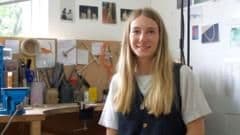
Racing Against Time: One Woman's Fight to Preserve Her Fertility After Devastating Endometriosis Surgery
Iona Hall, 30, has just four months to freeze her eggs after endometriosis surgery left her fertility reserves critically depleted.

A Desperate Race to Save Her Fertility
For Iona Hall, the aftermath of life-changing surgery brought not only physical recovery but a devastating revelation — her chances of one day becoming a mother were slipping away faster than she ever imagined. The 30-year-old Bristol native is now on an urgent mission to freeze her eggs before her already critically low reserves disappear entirely.
Two Major Operations and a Heartbreaking Diagnosis
Throughout 2024, Hall underwent two significant surgical procedures to address severe endometriosis — a complex condition in which tissue similar to the uterine lining grows outside the womb. Surgeons removed a 10cm cyst from her ovary and worked to separate her bowel and uterus, which had become fused together as a result of the disease.
While the operations were necessary to improve her quality of life, they came at a steep cost. Following surgery, Hall's doctors delivered alarming news: her egg reserve had fallen to critically low levels.
The Numbers Tell a Sobering Story
Hall's Anti-Müllerian Hormone (AMH) levels — a key clinical marker used to assess a woman's remaining egg supply — plummeted from 11.9 before surgery to just 2.1 afterward. To put that into perspective, the typical AMH reading for a healthy 30-year-old woman sits at approximately 17. The drop was stark, and the implications were deeply personal.
"I was really, really upset," Hall admitted. "Freezing my eggs is my only chance to preserve my fertility and give myself the option of a family in the future. Endometriosis has taken so much from my life, and I don't want it to take this from me too."
A Four-Month Window — and a £21,000 Price Tag
Medical professionals have advised Hall that she has a narrow window of approximately four months in which egg freezing remains a viable option. She requires funding for three rounds of egg harvesting, with the total cost estimated at £21,000 — a significant financial burden for a self-employed silversmith.
To raise the necessary funds, Hall has launched a public fundraiser, which has already attracted more than £10,000 in contributions. Despite the daunting target, she remains cautiously optimistic.
"It feels frightening," she said, "but the little eggs I do have left are good quality, so it's not over."
A Decade of Misdiagnosis and Masked Pain
Hall's journey to diagnosis was long, painful, and frustratingly common among endometriosis sufferers. She had been taking the contraceptive pill since her teenage years, a medication that was unknowingly suppressing her symptoms for more than a decade.
It was only after coming off the pill that the true severity of her condition became apparent. Reflecting on her younger years, Hall recalled: "When I was in my teens and early twenties, I just thought I was getting urinary and kidney infections all the time. I just thought I was one of those unlucky girls. The pain just never went."
At her worst, she described waking in the night, vomiting from the intensity of the pain and unable to find relief.
Years of Misdiagnosis Before the Truth Emerged
At 24, Hall was incorrectly diagnosed with chronic urinary tract infections (UTIs) and prescribed six months of antibiotics. By the time doctors identified the real culprit, the endometriosis had already spread extensively throughout her body.
This experience is far from unique. According to the NHS, endometriosis affects roughly one in ten women, and the average patient waits more than eight years from their first GP visit to receive an accurate diagnosis. The condition can impact the ovaries, fallopian tubes, and the tissue lining the pelvis, causing symptoms such as severe pelvic pain, heavy menstrual bleeding, pain during intercourse, and chronic fatigue.
Hope Amid Uncertainty
Despite the physical and emotional toll of the past year, Hall is approaching the months ahead with determination. Her story shines a light on the broader challenges faced by women with endometriosis — from diagnostic delays to the long-term impact on reproductive health.
For Hall, egg freezing represents more than a medical procedure. It is a lifeline — a way to retain some control over her future in the face of a condition that has already taken so much from her.
If you would like to support Iona Hall's fundraiser or learn more about endometriosis, resources are available through the NHS and leading endometriosis support organisations.