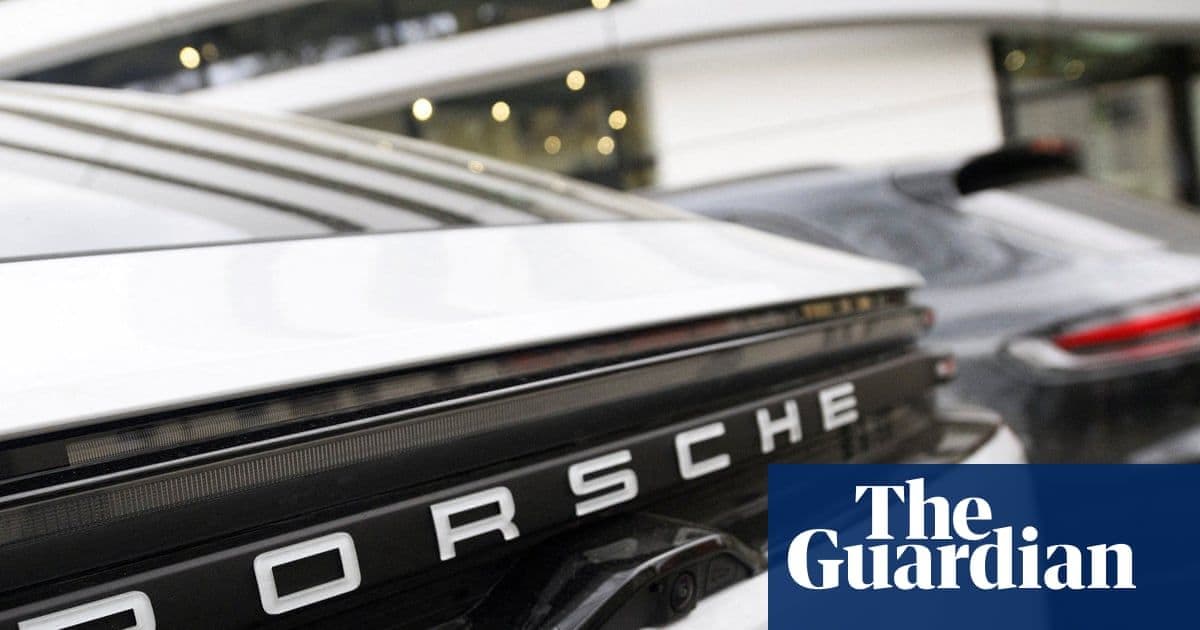
Porsche Slashes Jobs and Retreats from EV Ambitions After Profits Collapse
Porsche faces a turbulent road ahead as massive writedowns, China sales slump, and a dramatic EV strategy reversal force deep workforce cuts.
Porsche Announces Further Job Cuts Amid Deepening Financial Crisis
Luxury German automaker Porsche has revealed plans to eliminate additional jobs after a dramatic reversal of its electric vehicle strategy wiped out nearly all of its profits, compounding an already painful stretch marked by falling sales and fierce competition in China.
The company's newly appointed chief executive, Michael Leiters, who stepped into the role on January 1, made the announcement on Wednesday, stating that the business must take more aggressive steps to restructure itself.
"The streamlining of the company needs to be sharpened, and this will lead to further job reductions," Leiters said. Porsche currently employs around 40,000 people and had already signaled plans to cut approximately 3,900 positions by 2030. The latest comments suggest that figure could rise significantly.
Leadership Vows to Overhaul Management Structure
Leiters outlined a broader plan to flatten the company's management hierarchy, reduce bureaucratic layers, and create a leaner, more agile organization. He added that more specific details regarding the restructuring would be disclosed in the autumn.
"We are using the current challenges as an opportunity to act even more decisively," the CEO said. "We will comprehensively reposition Porsche, make the company leaner, faster, and the products even more desirable."
Financial Performance Takes a Sharp Dive
The numbers behind Porsche's crisis paint a stark picture. Total vehicle deliveries dropped 10% to 279,000 units, dragging revenue down 12% to €32.2 billion. Operating profit collapsed from €5.6 billion the previous year to just €413 million — a decline that underscores the severity of the challenges the brand is navigating.
Operating margin, once a standout metric for Porsche at 14.5% in 2024 — well above the industry average of 3% to 6% — plunged to a mere 1.1% last year. The company is targeting a partial recovery to around 5.5% by 2026.
Four consecutive profit warnings in the prior year were enough to push Porsche out of Germany's prestigious DAX stock index, a symbolic blow for a brand long regarded as one of the country's most profitable automotive names.
Costly EV Writedown Hits the Balance Sheet
At the heart of Porsche's financial turmoil is a €3.9 billion writedown tied to the abandonment of its once-ambitious electric vehicle roadmap. While the writedown does not represent an immediate cash outflow, it reflects the significant financial cost of reversing course on a strategy the company had publicly championed.
Several planned all-electric models have been delayed or redesigned to include combustion or hybrid powertrains, which continue to generate stronger profit margins. Electric versions of the iconic Boxster and Cayman sports cars, for instance, have been pushed back to 2027 — a delay partly attributed to the bankruptcy of Swedish battery manufacturer Northvolt. The highly anticipated all-electric SUV, the K1, which was unveiled with considerable fanfare in 2023, has been deferred to approximately 2029 and is now expected to offer hybrid and petrol variants alongside any electric option.
China Slump and US Tariffs Squeeze Sales
Porsche's troubles are not limited to internal strategic missteps. The brand has faced sustained headwinds in China, historically one of its most important markets. Chinese consumers are increasingly turning to domestic automakers, whose vehicles are rapidly improving in quality and technology. China's share of Porsche's total deliveries dropped to roughly 15%, down from 18% the year before.
Across the Atlantic, US President Donald Trump's sweeping automotive tariffs have delivered another blow. Since Porsche imports every vehicle it sells in the United States — still its largest single market — the tariffs cost the company approximately €700 million in 2025 alone.
Geopolitical Uncertainty Adds to Outlook Concerns
Adding to an already complex operating environment, broader geopolitical instability is casting a shadow over the automotive industry. Earlier this week, Volkswagen warned that turbulence stemming from US-Israeli military operations against Iran could weigh on its business outlook. Porsche, for its part, acknowledged that the potential impact of the conflict has not yet been factored into its own financial forecasts — leaving some uncertainty hanging over its recovery projections.
Despite the considerable challenges, Porsche's leadership appears committed to executing a disciplined turnaround, banking on brand strength, product desirability, and a leaner organizational structure to restore the margins and market confidence the company once took for granted.
