Personalized mRNA Cancer Vaccine Shows Remarkable Results in Fighting Melanoma Recurrence
A groundbreaking mRNA vaccine tailored to each patient's tumor is showing impressive five-year results when paired with immunotherapy drug Keytruda.

A New Era in Cancer Treatment: The Personalized mRNA Melanoma Vaccine
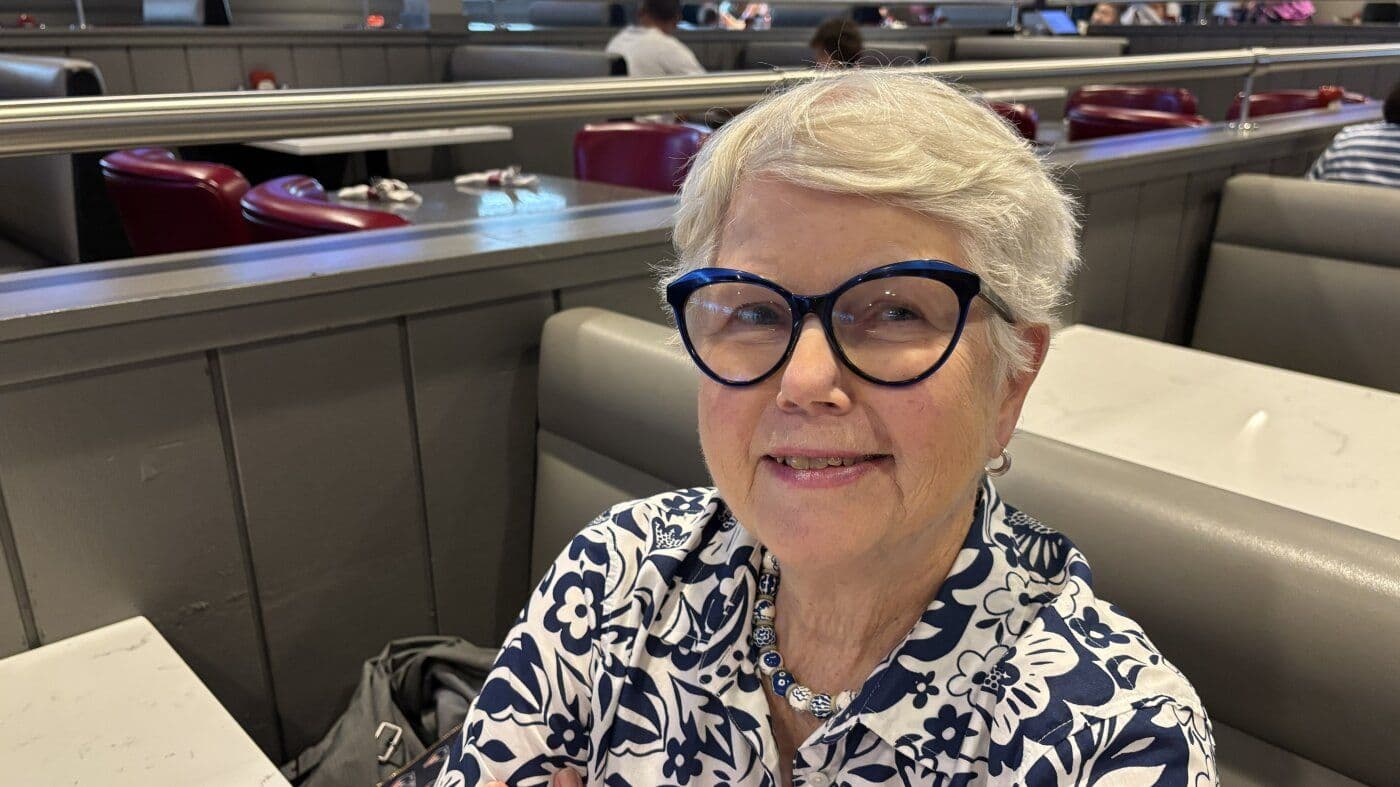
When Connie Franciosi noticed an unusual spot on her skin in 2020, she had no idea it would lead her to the forefront of one of the most promising advances in cancer treatment. Diagnosed with melanoma at age 75, she was told her case carried a high risk of returning. Today, at 80, she is completely cancer-free — and credits her participation in a groundbreaking clinical trial for her outcome.
"I am cancer-free," Franciosi says simply. "Life is good."
Her days are now filled with gardening, volunteering at her local library, socializing with friends, and playing golf. "I have a very satisfying life," she adds.
What the Research Reveals
Franciosi was among 157 patients in Australia and the United States enrolled in a clinical trial evaluating whether a personalized messenger RNA (mRNA) vaccine, used alongside the immunotherapy drug Keytruda (pembrolizumab), could prevent melanoma from coming back after surgical removal.
The five-year results, published Monday in the Journal of Clinical Oncology and presented at the American Society of Clinical Oncology conference, are striking.
Patients who received the combination of the mRNA vaccine and Keytruda had a 68.8% cancer-free survival rate at the five-year mark, compared to just 49.1% among those who received Keytruda alone. That translates to a 49% reduction in the risk of recurrence — a statistically significant and clinically meaningful difference.
Even more compelling, 92% of patients in the combination therapy group were still alive after five years, versus 71% in the Keytruda-only group.
"I think this is strong evidence that this therapy, when used in combination with immunotherapy, can demonstrably reduce the risk of dying from this disease," says Dr. Janice Mehnert, a melanoma specialist and researcher at NYU Langone Health and senior author of the study.
Why Melanoma Demands a Proactive Approach
Melanoma is diagnosed in approximately 112,000 Americans each year and is responsible for around 8,500 deaths annually. While early-stage melanoma is often treatable with surgery, late-stage recurrence poses a far greater challenge.
"Sometimes recurrence is easily treated with surgery or radiation, but sometimes it happens in the lungs, the liver, or the brain," Mehnert explains. "Then it can be challenging to treat."
That reality makes prevention all the more critical. "We're trying to harness the power of the immune system early in a patient's disease course to optimize their outcomes," she says.
How the Personalized mRNA Vaccine Works
Unlike the widely administered COVID-19 mRNA vaccines — which delivered the same genetic sequence to every recipient — this melanoma vaccine is entirely unique to each patient.
Scientists begin by sequencing a patient's tumor to identify up to 34 distinct molecular markers called neoantigens. These are essentially the cancer's unique fingerprints. That information is then used to engineer a custom mRNA vaccine that instructs the patient's immune system — specifically T cells — to recognize and attack those precise targets.
T cells are the immune system's frontline defenders, designed to seek out and destroy abnormal cells. However, cancer can effectively camouflage itself from these defenders. Keytruda works by stripping away that camouflage, allowing T cells to detect the cancer once more. The personalized mRNA vaccine then amplifies this response, giving the immune system a detailed blueprint for targeting the tumor.
"By matching this RNA treatment to the patient's melanoma, we can really boost the immunotherapy by driving it toward the patient's tumor," says Dr. Sarah Arron, a dermatologist and skin cancer surgeon in the San Francisco Bay Area.
Side Effects: Minimal and Manageable
Reportedly, side effects from the vaccine were mild, primarily consisting of chills and minor discomfort at the injection site — a reassuring finding for patients and clinicians alike.
A Landmark Advance in Skin Cancer Treatment
Dr. Arron, who was not involved in the trial, calls the findings a watershed moment. "I think this is a landmark advance in how we treat these very advanced, high-risk melanomas," she says.
She also acknowledges that public skepticism surrounding mRNA technology — fueled by controversy during the COVID-19 pandemic — may give some patients pause. But she emphasizes that this vaccine operates on an entirely different principle. "This mRNA vaccine is designed towards boosting a tumor response," Arron says, urging patients to evaluate it on its own merits.
The Road to FDA Approval
The vaccine, developed by Moderna and known as intismeran, is being co-developed with Merck, the manufacturer of Keytruda. Dr. David Berman, Moderna's chief development officer, describes the trial results as extraordinary.
"The degree of benefit was incredible," Berman says.
A large-scale Phase 3 clinical trial is now underway, enrolling nearly 1,000 patients. Once results are analyzed in the coming months, Moderna and Merck intend to pursue FDA approval for the combination therapy.
Researchers are also investigating whether the mRNA vaccine approach can be extended to other cancers, including lung cancer — a development that could broaden the technology's life-saving potential considerably.
What This Means for Patients
For patients like Connie Franciosi, these numbers are not abstractions — they represent real life, reclaimed. Her scans show no sign of cancer returning. She recently marked her 80th birthday surrounded by the things she loves most.
"I have some good shots and some not-so-good shots," she says of her golf game, with a smile in her words. "But I just enjoy the game."
That spirit of resilience, backed by the power of cutting-edge science, may well define the next chapter in how medicine fights one of the world's most dangerous skin cancers.