Over One Million People in England to Receive Weight-Loss Drug to Guard Against Heart Attacks and Strokes
NHS England is set to extend access to semaglutide to 1.2 million overweight people at high cardiovascular risk, following landmark clinical evidence.

NHS England Expands Access to Semaglutide for Cardiovascular Protection
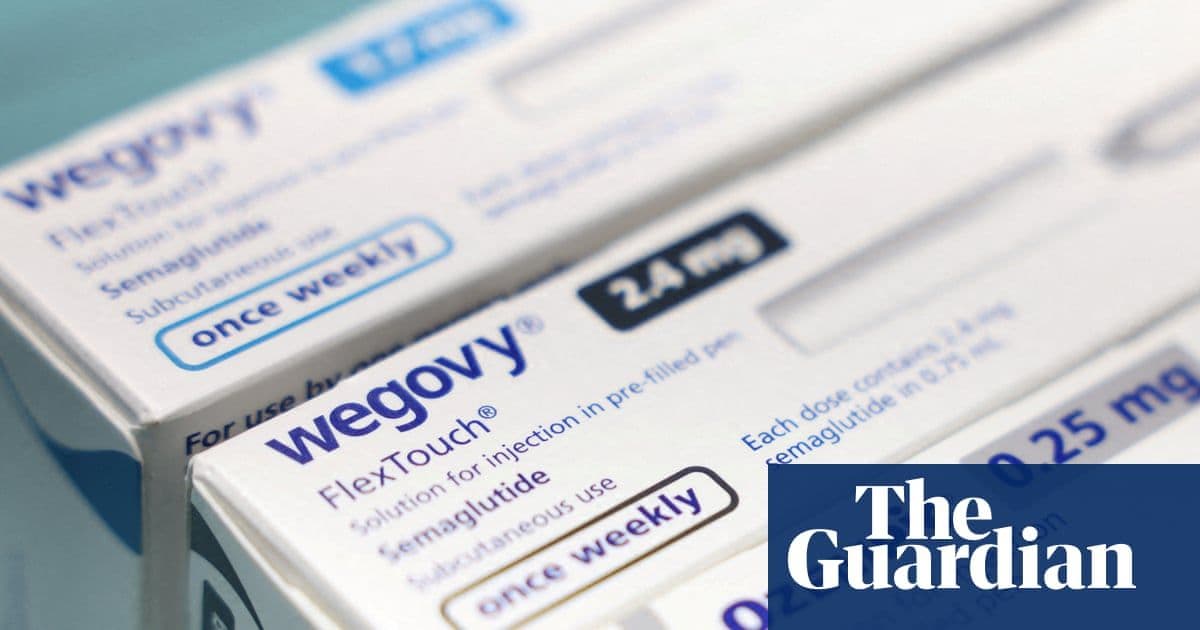
More than one million people across England could soon receive a weight-loss injection not primarily to shed pounds, but to protect their hearts. NHS England has announced plans to make semaglutide — sold under the brand name Wegovy — available to approximately 1.2 million people who are overweight and at elevated risk of life-threatening cardiovascular events.
Who Is Eligible for the New Treatment?
The green light comes from the National Institute for Health and Care Excellence (NICE), which issued draft guidance authorising semaglutide for a broader patient group. Under the new criteria, individuals with a body mass index (BMI) of 27 or higher who have previously experienced a heart attack, stroke, or serious circulatory problems in their legs will qualify for the weekly injections.
This marks a significant expansion of the drug's reach on the NHS. Previously, semaglutide was available primarily to patients living with obesity or those managing type 2 diabetes under the Ozempic brand name. The new recommendation targets a different population entirely — people who are overweight rather than clinically obese, but who face serious cardiovascular risks.
Beyond Weight Loss: A Direct Effect on the Heart
What makes this development particularly noteworthy is the mechanism behind the drug's protective benefits. Clinical trials revealed that semaglutide significantly reduces the likelihood of heart attacks, strokes, and cardiovascular-related deaths. Crucially, researchers observed these benefits before patients experienced substantial weight loss, strongly indicating that the drug acts directly on the heart and blood vessels rather than simply through reducing body weight.
This conclusion was reinforced by a landmark study led by University College London (UCL) — the largest of its kind — which found that semaglutide cuts the risk of heart attack or stroke regardless of how much weight a patient actually loses. Published in The Lancet, the findings challenged the notion that the drug's benefits should be limited to the most obese patients, suggesting far wider clinical applications.
Previous analysis had already shown that semaglutide reduced the risk of major cardiac events by around 20%. Later research confirmed that this protective effect held firm irrespective of individual weight loss outcomes.
Expert Reactions and Clinical Confidence
Helen Knight, Director of Medicines Evaluation at NICE, described the UCL research as "compelling," noting that patients taking semaglutide alongside existing heart medications were significantly less likely to suffer a repeat cardiac event.
"People who have already had a heart attack or stroke are living with real fear that it could happen again," Knight said. "This decision gives thousands of people in that situation an extra layer of protection, on top of the medicines they are already taking."
Health Minister Sharon Hodgson went further, calling weight-loss drugs a "gamechanger" and describing their expanded use as a potential "lifesaver" for those at cardiovascular risk.
Dr. Sonya Babu-Narayan, Clinical Director of the British Heart Foundation, echoed this sentiment, stating that semaglutide has proven benefits that extend well beyond the number on a scale, cementing its status as an important tool in cardiovascular prevention.
Professor Naveed Sattar of the University of Glasgow called the news "very good," adding: "We now have medicines that not only reduce heart attacks, strokes and peripheral arterial disease but also simultaneously lead to meaningful weight loss — which in turn lowers the risk of many weight-related conditions. These treatments also improve patients' quality of life in a meaningful way, making this a genuine win-win."
How Will It Be Administered?
The weekly semaglutide injections will function as an additional layer of treatment rather than a replacement for existing therapies. Patients will continue taking their current medications — such as statins — while also adopting a reduced-calorie diet and increased physical activity. The drug is intended to complement these measures, offering heightened protection against repeat cardiovascular events.
Although the NICE guidance remains in draft form, NHS England officials confirmed that eligible patients could gain access to the drug within months.
Capacity Concerns Remain
Despite the enthusiasm, some experts have raised practical questions. Professor Riyaz Patel, a cardiologist at UCL who welcomed the decision, flagged concerns about whether the NHS has sufficient infrastructure to deliver the treatment to such a large number of people effectively.
"Overall, a really exciting development for patients and doctors, giving us another powerful tool to reduce cardiovascular disease risk," he said — while acknowledging that scaling up access will require careful planning and resource allocation.
A New Chapter in Cardiovascular Care
This decision signals a meaningful shift in how weight-related medications are viewed within the healthcare system. Semaglutide is no longer being considered solely as a tool for managing obesity or diabetes — it is now recognised as a frontline intervention for preventing some of the most devastating cardiovascular events. For the 1.2 million people who stand to benefit, that distinction could quite literally be the difference between life and death.