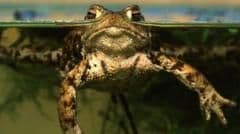
Over 1,000 Toads Feared Dead After Water Company Drains Their Breeding Reservoir
Dedicated volunteers who safely guided more than 1,500 toads to their breeding ground now fear the amphibians have perished after a reservoir was unexpectedly drained.

Volunteers Fear the Worst After Reservoir Is Suddenly Emptied
A devoted group of wildlife volunteers in Wrexham is facing heartbreak after the reservoir they spent months guiding toads toward was completely drained by a local water company — potentially wiping out more than a thousand amphibians in one fell swoop.
Members of the Wrexham Toad Patrols dedicate their evenings every spring to safely shepherding toads, frogs, and newts across the busy A525 road, helping them reach their ancestral breeding ground at Nant-y-Ffrith reservoir. This year, the group celebrated a record season, successfully moving nearly 1,500 toads — four times the number assisted in the previous year, thanks to a surge in volunteer numbers.
That achievement has now been overshadowed by devastating news.
Reservoir Drained Over Easter Weekend
Water company Hafren Dyfrdwy emptied the Nant-y-Ffrith reservoir over the Easter weekend, citing essential safety upgrades required to keep the operational reservoir compliant with strict regulatory standards. The volunteers, however, say they received no advance warning — and the timing could not have been worse.
The toads were still in the midst of their breeding season and were not expected to leave the water for another four to six weeks. When patrol members visited the site following the draining, they were met with an unsettling silence.
"The males are very vocal so you can usually hear them. It was silent," said volunteer Becky Wiseman. "We got as close to the reservoir as we could but we saw no life."
Weeks Too Soon: A Preventable Tragedy
Volunteers are deeply frustrated, believing the disaster could have been avoided with a brief delay to the scheduled works.
Group member Teri Davies expressed the collective despair felt across the patrol: "All of us are totally gutted — all that hard work and it's just gone."
She explained that had the drainage been postponed by just four to six weeks, the toads would have completed their breeding cycle. "They would have laid their spawn, the spawn would have turned to toadlets, and they would have left the water free for the maintenance works," she said.
Fellow volunteer Ella Thisleton echoed those concerns, highlighting the broader ecological consequences. "There's a whole ecosystem," she said. "We don't know what next year will bring from this, so we're all very upset. If we'd known about it, there could have been things we could have put in place to try and prevent any fatalities."
A Species Already Under Pressure
The loss comes at a particularly sensitive time for common toads in the United Kingdom. Research conducted by conservation charity Froglife revealed that the UK's common toad population has plummeted by 41% over the past four decades. A primary driver of this decline is the disappearance of garden ponds, making larger natural water bodies like reservoirs increasingly critical refuges for breeding amphibians.
Becky Wiseman called for greater collaboration between human development interests and wildlife conservation. "I appreciate that people see humans as the priority, but we're not the only ones here," she said. "I think we need to work together to prevent damage going forward."
Wildlife Beyond Toads Also Affected
The impact of the draining extends beyond the toad population. The Nant-y-Ffrith reservoir also serves as an important habitat for bird species, including curlews and geese, raising further concerns about the disturbance caused to local wildlife and the wider ecosystem.
Water Company Responds
In a statement, a Hafren Dyfrdwy spokesperson acknowledged the community's distress, saying the company understood how "concerning this situation is for the local community." The spokesperson emphasized that the work was non-negotiable from a safety perspective but confirmed that the company is "currently reviewing what has occurred alongside our ecologists on site."
The company has since committed to working alongside the Wrexham Toad Patrols to explore possible next steps while construction continues, expressing a desire to "identify ways to put things right for the future."
"While the reservoir plays a vital role in supplying drinking water, we recognise it is also an important space for local wildlife and the community," the spokesperson added.
For the volunteers who gave up countless evenings this spring to protect these creatures, the hope now is that future coordination between conservation groups and utility companies can prevent a tragedy like this from ever happening again.

