Orbital Data Centers: Why Industry Leaders Are Questioning Elon Musk's Space Computing Vision
SoftBank's Masayoshi Son isn't alone in doubting Elon Musk's orbital data center ambitions. Experts question the costs, timeline, and true motivations behind the bold proposal.
The Space Data Center Debate Heats Up
Elon Musk's bold vision for building data centers in Earth's orbit is drawing serious skepticism from some of the tech and investment world's most influential voices — and the pushback is growing louder.
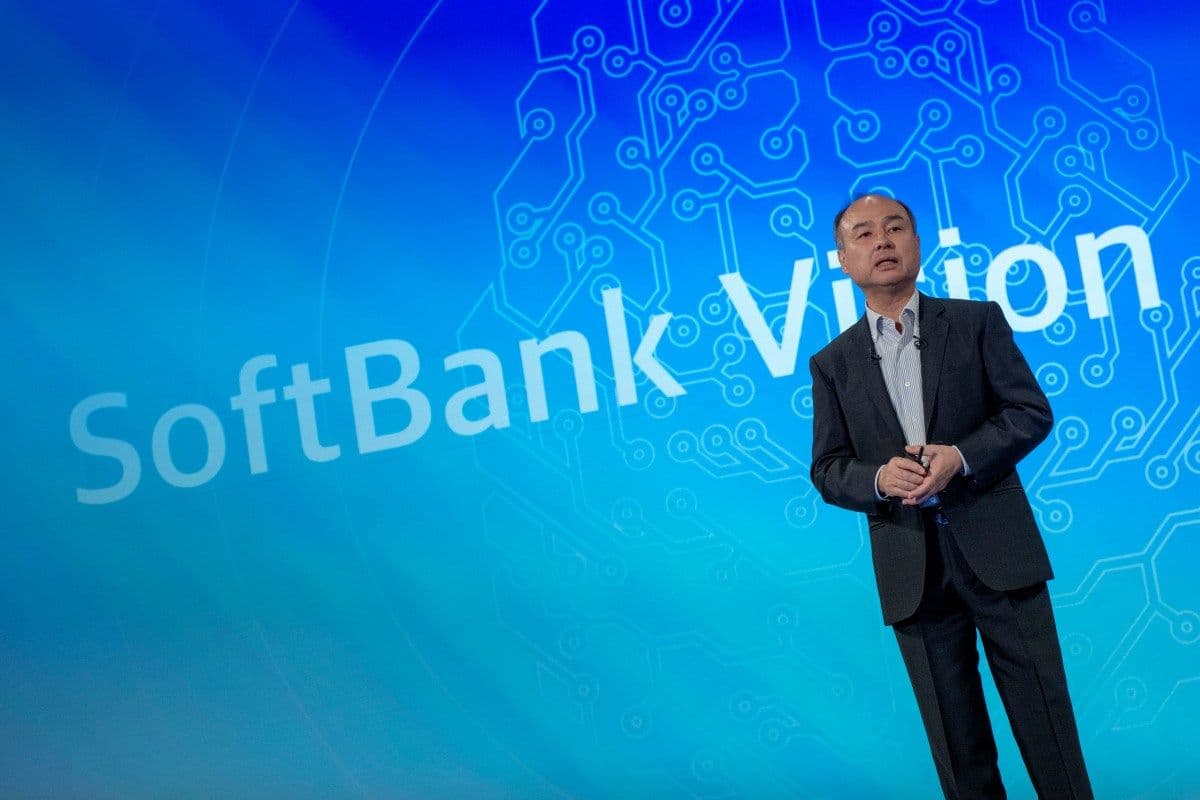
At a recent SoftBank shareholder meeting, founder and CEO Masayoshi Son challenged the premise of orbital data centers head-on. His argument was straightforward: the economics don't make sense, and the timeline is far too slow. In the fierce race for AI supremacy, Son suggested, the next few years matter far more than ambitious infrastructure that might materialize a decade down the road.
A Skeptic With an Ironic Past
What makes Son's skepticism particularly noteworthy is his own track record. SoftBank has never been shy about placing enormous, unconventional bets — WeWork being perhaps the most infamous example. Yet here is Son, pumping the brakes on what many in the industry have begun treating as an inevitable technological frontier.
TechCrunch's Equity podcast recently tackled this contradiction. Host Kirsten Korosec pointed out the unmistakable irony: a man known for funding some of the boldest — and sometimes disastrous — ventures in recent memory is now urging caution. Still, she acknowledged that having a high-profile figure ask the hard questions is a valuable and necessary part of any innovation cycle.
It's also worth noting that SoftBank has made substantial investments in terrestrial data center projects, giving Son his own financial reasons to be skeptical of space-based alternatives.
SpaceX's Self-Interest in the Stars
TechCrunch's Sean O'Kane offered a sharp observation about Musk's orbital ambitions that cuts to the heart of the matter. Building a constellation of satellites — each of which needs to be replaced every few years — would effectively guarantee a steady and lucrative stream of launch contracts for SpaceX.
SpaceX currently dominates the global launch market, capturing roughly 80 to 90 percent of all orbital launches. However, O'Kane noted that this dominance is heavily propped up by Starlink, the company's own satellite internet constellation. Strip Starlink from the equation, and SpaceX's market share would likely fall to somewhere between 20 and 40 percent. An orbital data center network would essentially replicate that same self-reinforcing business model.
In other words, when Musk champions space-based computing infrastructure, he's also championing a future that keeps SpaceX's rockets flying — and its revenues climbing.
The Neo-Cloud Gold Rush
The broader context for this debate is an industry-wide scramble for computing power. AI development has created an almost insatiable demand for processing capacity, and companies across every sector are racing to meet it. O'Kane described the phenomenon bluntly: compute has become the new oil, and virtually everyone wants a piece of the pipeline.
From chip startups like Groq — which recently secured $650 million in new funding — to unexpected entrants like former footwear brand Allbirds, which pivoted from selling shoes to offering cloud computing services after emerging from bankruptcy, the market is flooded with players trying to monetize spare or specialized compute capacity.
SpaceX has joined this trend as well, signing compute-leasing deals with major players including Google and Anthropic, while continuing to ink agreements with smaller firms. The orbital data center concept, in many ways, is simply an extension of this existing strategy taken to its most extreme conclusion.
Everyone Has a Book to Talk
Perhaps the most important takeaway from this debate is one that applies broadly to all major AI predictions: the people making the biggest claims almost always have significant financial skin in the game.
Musk's orbital data center vision benefits SpaceX directly. Son's skepticism aligns with SoftBank's earthbound data center investments. Even OpenAI's Sam Altman, who has reportedly been dismissive of the orbital data center concept, carries his own complicated history with Musk and his own set of business interests shaping his perspective.
None of these figures are necessarily being dishonest — but none of them are neutral observers either. For anyone trying to understand where AI infrastructure is genuinely headed, that caveat is essential. The future of computing will be shaped not just by engineering possibility, but by the competing financial interests of the powerful few who are funding the race.
