OpenAI Rolls Out Advanced Account Security for ChatGPT, Teams Up with Yubico on Hardware Keys
OpenAI launches opt-in security upgrades for ChatGPT users, including a new partnership with Yubico to offer physical security keys against phishing threats.
OpenAI Takes a Strong Stance on ChatGPT Account Security
OpenAI has officially introduced a new layer of account protection for ChatGPT users, signaling that digital security is becoming a top priority for the AI giant. The newly launched Advanced Account Security (AAS) program offers opt-in protections designed primarily for high-risk individuals — though anyone with a ChatGPT account can take advantage of them.
Partnership with Yubico Brings Hardware Security Keys to ChatGPT
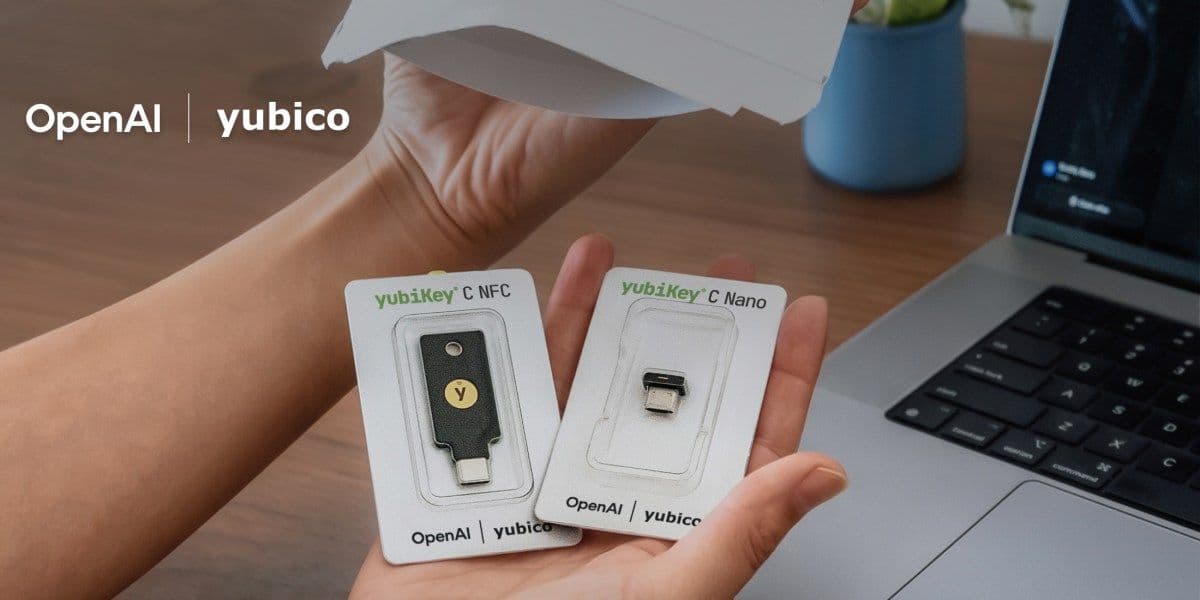
Central to this initiative is a freshly announced partnership with Yubico, a leading provider of hardware-based digital security solutions. Through this collaboration, Yubico is releasing two co-branded physical security keys specifically linked to ChatGPT accounts: the YubiKey C NFC and the YubiKey C Nano.
These compact hardware devices connect to a computer via USB and carry a unique cryptographic identifier. Only the individual holding the physical key can gain access to the associated account — making unauthorized logins significantly more difficult.
Who Is This Program Designed For?
OpenAI has highlighted that AAS is particularly well-suited for individuals whose work carries elevated risk, including:
- Political dissidents
- Journalists and researchers
- Elected officials
- Enterprise users handling sensitive corporate data within ChatGPT sessions
However, the program is open to all users who wish to strengthen their account security.
Why Phishing Is a Growing Concern for Chatbot Users
The timing of this announcement reflects a broader and increasingly urgent concern in the cybersecurity landscape. Cybercriminals are ramping up efforts to target chatbot users, recognizing that the personal and professional nature of chatbot conversations makes them a goldmine for extortion and data theft.
"Ultimately, our intent is to drastically reduce the threat of unauthorized access to sensitive data in OpenAI accounts worldwide," said Jerrod Chong, CEO of Yubico, in the official press release.
The rise of phishing attacks targeting AI platform users has prompted OpenAI to act swiftly, and the Yubico partnership represents one of the most concrete steps the company has taken toward account-level security.
OpenAI Joins a Broader AI Industry Push Toward Cybersecurity
OpenAI is not alone in recognizing the need to shore up digital defenses. Competitor Anthropic recently unveiled a cybersecurity-focused AI model called Mythos, drawing considerable attention across the tech industry. In response, OpenAI has been making a series of security-related announcements, including the rollout of a new digital defense framework — of which the Yubico partnership is the latest chapter.
An Important Trade-Off to Consider
While hardware security keys offer a robust layer of protection, users should be aware of one significant caveat: if a YubiKey is lost, OpenAI will not be able to assist in recovering account access. This means that any stored conversations or data within that account could be permanently inaccessible.
For users considering AAS enrollment, it is strongly advisable to have a secure backup plan in place before enabling this level of protection.
The Bottom Line
OpenAI's Advanced Account Security program, backed by Yubico's proven hardware key technology, marks a meaningful step forward in protecting ChatGPT users from increasingly sophisticated cyber threats. Whether you are a journalist working on sensitive investigations or an enterprise professional managing confidential data, this new initiative offers a tangible way to lock down your AI-powered workspace.
