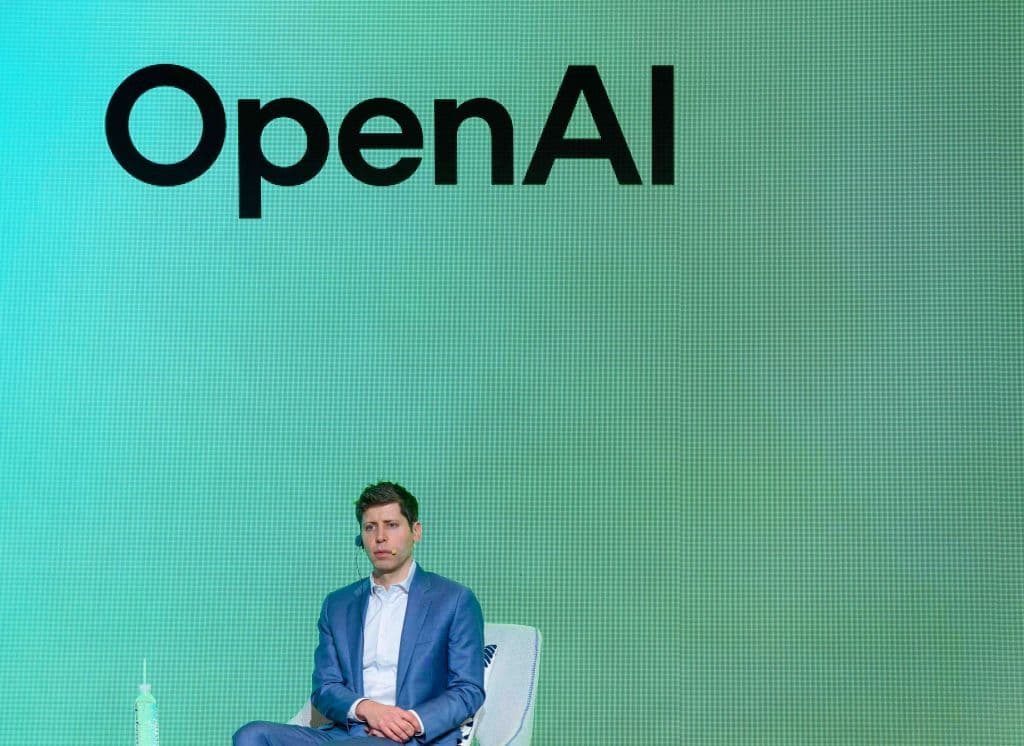
OpenAI Disputes Apple's Trade Secret Lawsuit, Calls Allegations Without Merit
OpenAI has fired back at Apple's trade secret lawsuit, stating the complaint lacks merit while reaffirming its commitment to fair competition and innovation.
OpenAI Responds to Apple's Trade Secret Lawsuit
OpenAI has formally pushed back against a trade secret lawsuit filed by Apple, asserting that the allegations brought against the AI company do not hold up under scrutiny.
In a statement first shared by Bloomberg journalist Ed Ludlow on X, OpenAI said: "While we take these allegations seriously, we're not aware of any evidence that this complaint has merit. We believe in fair competition and allowing people the freedom to work wherever they choose, and we're focused on building innovative technology that empowers people everywhere."
What Apple's Lawsuit Claims
Apple filed the 41-page complaint earlier in the week in the U.S. District Court for the Northern District of California. The lawsuit alleges that a group of former Apple employees, now working at OpenAI, carried out a coordinated effort to extract confidential information and intellectual property from the tech giant.
Among those named in the filing is OpenAI's Chief Hardware Officer Tang Tan, who spent 24 years at Apple before making the switch to the AI lab. During his time at Apple, Tan held senior roles, including vice president of product design for the iPhone and Apple Watch — positions that gave him access to highly sensitive internal information.
Apple claims its internal investigation revealed that OpenAI and affiliated parties leveraged the company's proprietary information as part of its own hardware development efforts.
OpenAI's Previous Response and Hardware Ambitions
This latest statement marks the first time OpenAI has directly addressed the substance of the case. In its initial response, issued shortly after Apple filed suit, the company took a broader stance, telling TechCrunch: "We have no interest in other companies' trade secrets. We remain focused on building innovative technology that empowers people everywhere."
The lawsuit arrives at a particularly sensitive moment, as reports increasingly suggest OpenAI is developing a consumer hardware device. The company's recent acquisition of Jony Ive's startup, io, has only fueled speculation. Bloomberg reported that OpenAI is working on a screen-free, mobile smart speaker — described by insiders as a "humanlike AI companion" intended for home use.
Details of the Reported Device
According to sources familiar with the project, the device features no display, incorporates moving mechanical components, and has been developed with significant input from former Apple engineers who previously worked on the iPhone and Mac. If accurate, such a product could place OpenAI in direct competition with Apple's hardware ecosystem.
What Comes Next
The legal battle between two of the most prominent names in technology is still in its early stages. OpenAI has yet to provide a more detailed response to the specific claims outlined in Apple's filing. As the case progresses, it is likely to draw significant attention from the broader tech industry, particularly given the involvement of high-profile executives and the sensitive nature of the alleged trade secret disclosures.
The outcome could have far-reaching implications — not only for both companies involved, but also for how the industry approaches employee mobility, intellectual property, and the intensifying competition in the AI hardware space.
