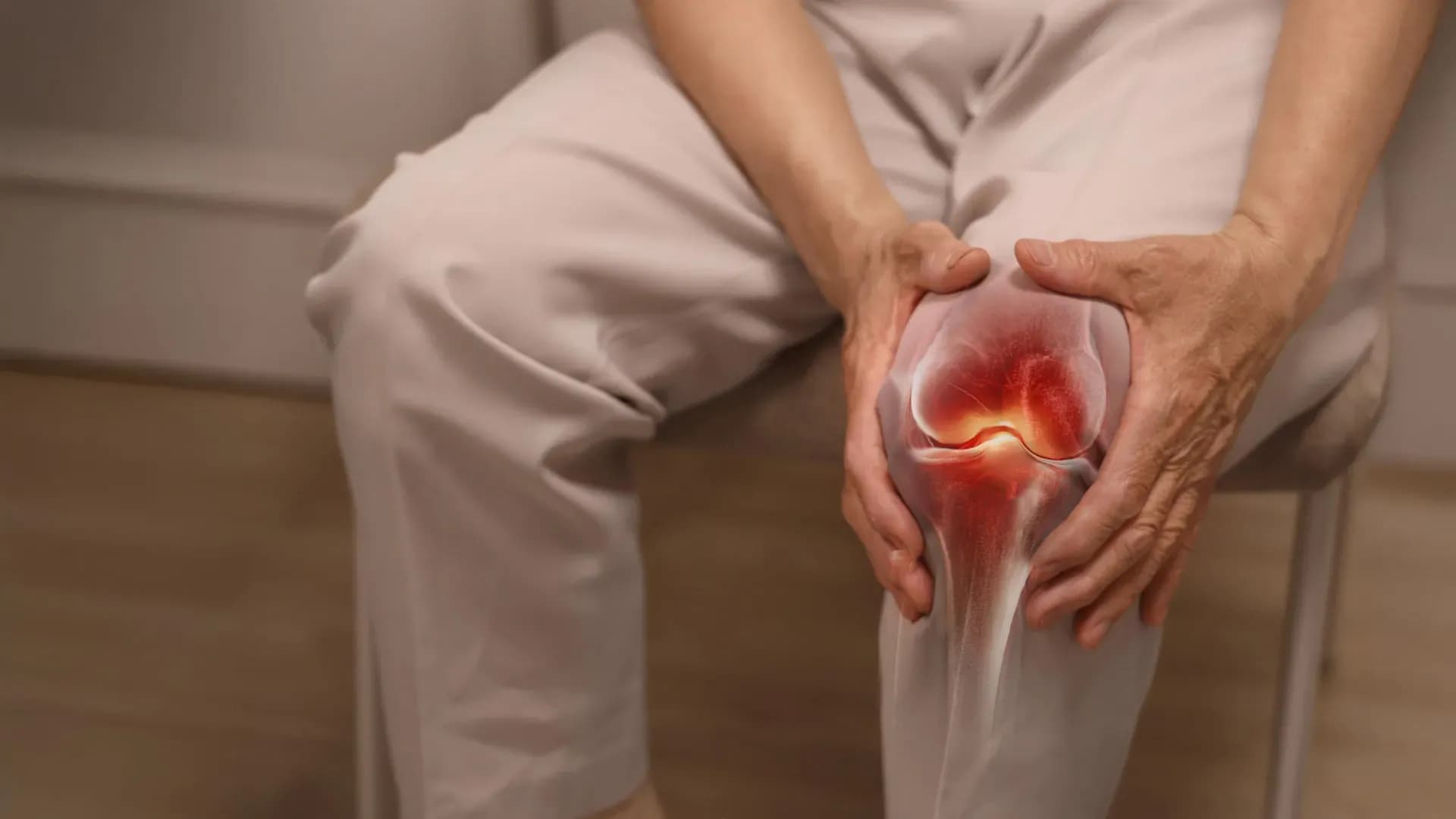
Non-Drug Treatments Outperform Medications for Knee Arthritis Relief
A major study of nearly 10,000 patients found knee braces, hydrotherapy, and exercise beat drugs for knee osteoarthritis relief.

Simple Therapies Prove More Effective Than Medications for Knee Osteoarthritis
Groundbreaking research involving nearly 10,000 patients has revealed that straightforward, non-pharmaceutical treatments — including knee braces, hydrotherapy, and regular exercise — can deliver significant relief for those suffering from knee osteoarthritis. Beyond their effectiveness, these approaches carry none of the serious health risks associated with conventional pain medications, potentially transforming how healthcare providers approach arthritis management.
What the Research Involved
Published in the peer-reviewed open-access journal PLOS One, this comprehensive meta-analysis examined data drawn from 139 clinical trials. Researchers systematically compared 12 distinct non-drug treatment options, ranging from laser therapy and electrical stimulation to knee braces, insoles, kinesiology tape, water-based therapies, physical exercise, and ultrasound.
Using a network meta-analysis framework, the team was able to consolidate findings across all studies and generate reliable rankings for each treatment's overall effectiveness.
Why This Research Matters
Knee osteoarthritis (KOA) is one of the most common and debilitating conditions affecting older adults worldwide. Characterized by persistent joint pain, stiffness, and reduced mobility, it significantly impacts quality of life. While anti-inflammatory medications are widely prescribed, they come with considerable risks — including gastrointestinal complications and cardiovascular side effects — making safer alternatives highly desirable.
Top-Performing Non-Drug Therapies
Knee Braces
Among all treatments evaluated, knee braces emerged as the top performer. They demonstrated strong results across multiple outcome measures, including pain reduction, improved joint function, and decreased stiffness. Their combination of effectiveness and accessibility makes them a particularly compelling option for patients and clinicians alike.
Hydrotherapy
Water-based therapy ranked as especially powerful for pain relief. Performing exercises in warm water reduces joint stress while promoting mobility and muscle strengthening — a combination that proves particularly beneficial for arthritis sufferers who may struggle with land-based exercise.
Exercise
Regular physical exercise delivered consistent and well-rounded benefits, improving both pain levels and overall physical function. Its low cost and broad accessibility position it as one of the most practical first-line interventions available.
How Advanced Treatments Compare
Some higher-technology options, such as high-intensity laser therapy and shock wave therapy, produced moderate improvements. However, ultrasound therapy consistently ranked at the bottom of the effectiveness scale, suggesting that expensive or technologically advanced interventions do not necessarily translate to better patient outcomes.
Limitations and Future Directions
The researchers acknowledged certain limitations within the analysis. Variations in study design, smaller sample sizes in some trials, and differences in treatment duration could influence the precision of the rankings. Despite these considerations, the overarching conclusion remains robust: physical therapy-based approaches offer meaningful, clinically relevant benefits without the dangers linked to anti-inflammatory drugs.
Future studies are encouraged to investigate whether combining multiple therapies could produce even greater improvements and to assess the cost-effectiveness of these interventions within real-world healthcare settings.
Expert Takeaway
The study's authors were direct in their conclusions: knee braces, hydrotherapy, and exercise represent the most effective non-drug therapies currently available for knee osteoarthritis. They reduce pain and enhance mobility without exposing patients to gastrointestinal or cardiovascular risks commonly associated with pharmaceutical options.
As the researchers put it, their findings could reshape clinical guidelines, shifting focus toward safer, lower-cost, and highly accessible interventions — ultimately benefiting millions of arthritis patients around the world.