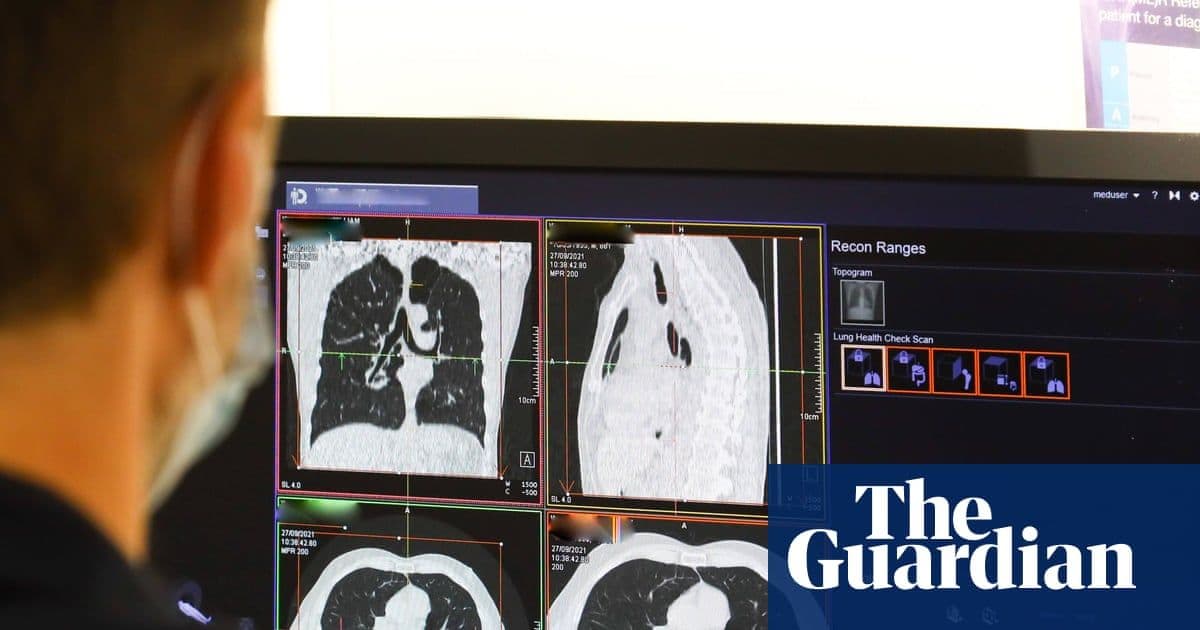
NHS Shells Out Record £241 Million to Private Companies for Scan Analysis as Staffing Crisis Deepens
The NHS spent a record £241m outsourcing diagnostic scan analysis to private firms last year, doubling costs in just five years amid a worsening radiologist shortage.

NHS Outsourcing Bill for Scan Analysis Hits Record £241 Million
New research has exposed how the National Health Service is handing over unprecedented sums to private healthcare companies to interpret diagnostic scans, as overstretched hospitals struggle with chronic understaffing and soaring patient demand.
The total amount paid by NHS trusts and health boards across the United Kingdom to external firms for reading CT and MRI scans reached £241 million last year — a staggering 12% rise from the £216 million spent the previous year. To put the scale of growth in perspective, that figure has more than doubled from £120 million in 2021 and nearly tripled compared to the £81 million recorded back in 2018.
Why Are Scans Being Sent to Private Firms?
Diagnostic imaging plays a critical role in identifying serious conditions such as cancer and tracking how patients are responding to ongoing treatment. Speed is essential — delayed results can cost lives. Yet many NHS hospitals are simply unable to process the volume of scans in-house, leading them to rely on private teleradiology companies to fill the gap and prevent dangerous backlogs from building up.
However, medical professionals are sounding the alarm, warning that this growing dependency is not just financially unsustainable but also potentially damaging to patient care.
Radiologists Raise Quality Concerns
The Royal College of Radiologists (RCR) has highlighted serious issues with the standard of reports being produced by outsourced providers. According to the RCR's findings:
- 86% of NHS radiology department heads expressed significant concerns that privatised scan reporting results in lower-quality outputs.
- 90% of department heads confirmed that NHS radiologists routinely need to double-check reports produced by private firms.
This raises an uncomfortable question: if NHS specialists must review outsourced work anyway, what real value is the outsourcing actually delivering?
'Spiralling Out of Control'
Dr Stephen Harden, President of the RCR, was unequivocal in his assessment of the situation.
"Increasing NHS reliance on outsourcing in radiology is not sustainable and the costs of this are spiralling out of control," he said. "In the short term, outsourcing can help to manage diagnostic backlogs, but it cannot be a long-term solution to workforce shortages. Clinical radiologists play an essential role in making most diagnoses, but rising demand for scans is outstripping our capacity."
Dr Harden has called on ministers and NHS leadership to significantly expand the radiology workforce by creating more training positions. The demand for places is already evident — there are currently 11 applicants competing for every single available training post.
"To ignore this call and continue to spend heavily on outsourcing would be short-sighted, would not be the best use of NHS funds, and would not be in patients' best interests," he warned.
The Risk of Permanent Private Dependency
Health policy experts are warning that the NHS could be sleepwalking into a permanent reliance on private companies for a function that is fundamentally critical to patient care.
David Rowland, Director of the Centre for Health and the Public Interest, outlined the long-term dangers clearly: "The use of private teleradiology companies to read NHS scans is growing rapidly. History shows that once the government hands these roles over to the private sector, they remain in private hands, taking income and revenue away from NHS hospitals and removing the opportunity to train the next generation of NHS staff."
He added: "The risk is that the NHS becomes wholly dependent on private companies for this critical function, whose sole focus is on the bottom line."
Government Response: A Workforce Plan Is Coming
The Department of Health and Social Care acknowledged the mounting pressures on radiology services, while pointing to recent achievements as evidence of progress. A spokesperson noted that the NHS carried out 30 million diagnostic tests in the past year alone, and that 95,000 more patients were diagnosed with cancer or given the all-clear within 28 days compared to the prior 12-month period.
The government said it plans to publish a 10-year NHS workforce plan designed to ensure the right number of skilled staff are available across all areas of care, including radiology.
While the promise of a long-term strategy may offer some reassurance, critics argue that action cannot come soon enough. Every year that passes without sufficient training investment means millions more in outsourcing costs — and potentially compromised care for patients who depend on fast, accurate diagnostic results.

