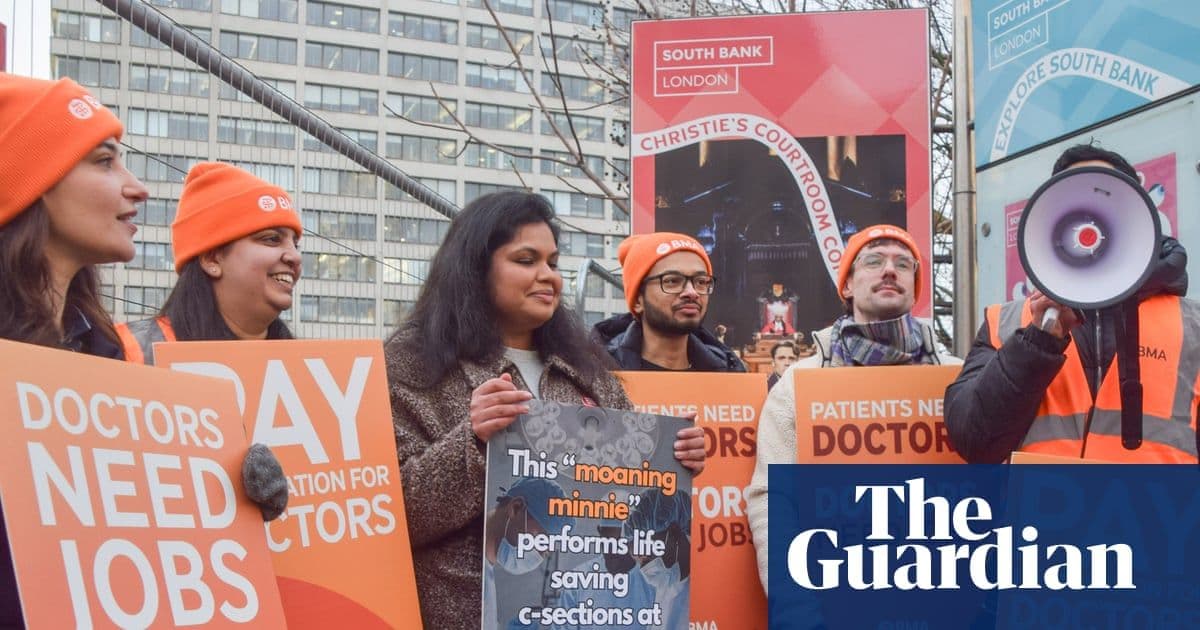
NHS Leaders Blast Resident Doctors' Strike as Deliberate Attack on Patients
NHS bosses are furious after the BMA rejected a £700m pay offer and announced a six-day strike, accusing doctors of inflicting 'maximum harm' on patients.

NHS Chiefs Condemn BMA's Decision to Strike and Walk Away from Pay Talks
Senior NHS leaders have launched a sharp attack on resident doctors, accusing them of deliberately engineering "maximum harm" to patients by choosing to strike for six days in April rather than accepting a government pay offer worth £700 million.
The bitter war of words erupted after the British Medical Association's Resident Doctors Committee (RDC) rejected what Health Secretary Wes Streeting described as a "generous" settlement and withdrew entirely from ongoing negotiations — a move that has thrown the long-running pay dispute back into deeply uncertain territory.
NHS England Reacts with Shock and Frustration
Speaking at NHS England's board meeting on Thursday, Glen Burley, the organisation's financial reset and accountability director, made no effort to conceal his frustration. He described the BMA's decision to abandon talks as "really disappointing for patients," warning that the timing of the planned strike — set to begin on 7 April — coincides with one of the busiest periods in the NHS calendar.
"It feels like it's trying to push maximum harm," Burley said, adding that the health service would do everything in its power to minimise the impact on patients.
Burley also expressed disbelief that the RDC chose not to put Streeting's offer to its full membership for a vote, effectively making the decision on behalf of all resident doctors without consulting them directly.
'Very, Very Close to a Deal' — Then It Fell Apart
NHS England Chief Executive Jim Mackey echoed that frustration, revealing that intensive negotiations between the government and the BMA since January had brought both sides to the brink of agreement.
"We felt very, very, very close — we had a deal that could work for all parties," Mackey said. "It's incredibly disappointing that it fell to bits at the last minute."
He warned that with a six-day strike looming and no resolution in sight, the NHS must now prepare for a "long period" of industrial unrest — likening the challenge to running a "long distance" race rather than a sprint.
What Was on the Table — and Why the BMA Walked Away
The offer put forward by ministers would have delivered £700 million in additional pay to resident doctors between 2026 and 2029. The salary uplift would have been delivered gradually, with doctors moving through pay scales at an accelerated pace — a mechanism designed to address the BMA's longstanding demand for full pay restoration amounting to a 26% salary increase.
However, the BMA took a firm stance: it wanted the entire sum delivered within a single financial year — 2026-27 — rather than spread across three years. When the government refused that condition, the union walked away from the negotiating table.
The BMA claimed that talks had been progressing well until approximately two weeks before the breakdown, at which point it alleged the government "began to shift the goalposts" — though the union has not provided specific details about what changed.
Streeting Issues Ultimatum to Resident Doctors
Addressing the House of Commons on Thursday, Streeting gave the BMA a firm one-week deadline to reconsider its position. He warned that if the union fails to re-engage, he may withdraw the offer entirely — including a separate commitment to expand specialist medical training places from 1,000 to 4,500, a key demand the BMA had pushed for throughout negotiations.
Doctors Push Back on Pay Claims
Dr Jack Fletcher, chair of the RDC, rejected Streeting's assertion that resident doctors had already received a 35% pay increase over the past four years, calling the claim "wildly overstating the case" and "misleading." Fletcher argued that once inflation over the same period is factored in, the real-terms value of those pay rises is significantly lower than the headline figure suggests.
The dispute, which first flared in March 2023, shows little sign of resolution, leaving patients, NHS managers, and healthcare workers braced for further disruption in the weeks ahead.

