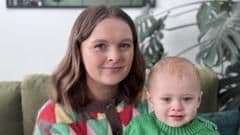
New Mother Traveled 90 Miles for Mental Health Care After Traumatic Postpartum Psychosis Episode
Lizzy Berryman was sectioned just four days after giving birth and transported 90 miles from York to Derby for specialist care, sparking a campaign for more mother and baby units.
New Mother's 90-Mile Journey Exposes Critical Gaps in Postpartum Mental Health Care
A young mother who experienced a severe mental health crisis just days after childbirth is now speaking out about the urgent need for greater access to specialist maternity psychiatric care across the United Kingdom.
Lizzy Berryman, 30, from York, was involuntarily sectioned under the Mental Health Act and transported approximately 90 miles to a specialist facility in Derby — all while suffering the physical and psychological aftermath of a traumatic birth experience. She is now calling on health authorities to expand the network of mother and baby units (MBUs) so that vulnerable new mothers no longer face the ordeal of being separated from their loved ones during the most critical moments of their recovery.
A Crisis That Escalated Without Warning
Just four days after welcoming her baby, Lizzy began showing alarming signs of postpartum psychosis — a rare but potentially life-threatening condition that can trigger vivid hallucinations, extreme paranoia, and debilitating insomnia. What started as restlessness and anxiety rapidly spiraled into a full psychological emergency.
"I was becoming more and more confused and anxious. I couldn't manage basic tasks like making tea or changing my baby's nappy," Lizzy recalled. "Eventually, I started screaming, ran toward the windows, and thrashed on the floor for hours. I genuinely believed I was in hell."
Her family held her at home for two hours while waiting for emergency services to arrive. She was subsequently sectioned at York Hospital's emergency department after it became clear she required immediate specialist intervention.
Forced to Travel Far From Home
Family members were informed that no beds were available at the mother and baby unit in Leeds — the only MBU serving the entire Yorkshire region. As a result, Lizzy was transported to the nearest available facility equipped to handle severe postnatal mental health conditions, located in Derby.
The journey itself was distressing. "I was soaked in my own urine because I kept pushing as though I was in labor again every time the psychosis hit," she said, describing the harrowing car ride to the treatment center.
Once admitted, Lizzy underwent eight weeks of intensive inpatient treatment. The prolonged stay in a city far from home placed enormous financial strain on her family, with her husband Adam and other relatives spending thousands of pounds on local accommodation just to remain close to her.
A Recovery Shadowed by Distance
As Adam's paternity leave expired, his daily hospital visits became impossible. Lizzy found herself navigating the darkest period of her life without the consistent presence of her partner or the comfort of familiar surroundings.
"There were so many milestones Adam was missing with our baby, and I needed him there with me," she said. "Being so far from home made my depression worse. I felt completely isolated."
Although Lizzy gradually stabilized and her section was eventually lifted, she firmly believes the distance from home significantly extended her recovery timeline. "I was at my most vulnerable and needed to feel safe. If I had been treated closer to York, I could have had friends and family around me and begun reconnecting with normal life much sooner," she explained.
Lizzy has since made a full recovery and returned to work. While she credits the Derby MBU staff with saving her life, she remains passionately committed to advocating for a wider network of specialist units across the country.
The Wider Problem: A Postcode Lottery for New Mothers
Lizzy's experience is far from isolated. Data obtained through a BBC Freedom of Information request revealed that approximately 100 women from Yorkshire alone were sent to MBUs outside their local area over the past five years. Some were transported as far as Birmingham and London to access the care they needed.
The sole MBU currently serving Yorkshire, based in Leeds, operates with just eight beds — though expansion plans to increase capacity to 14 beds are underway.
Aylesbury MP Laura Kyrke-Smith, whose close friend died by suicide following childbirth, described the current situation as a "postcode lottery," noting that some regions of the country are "complete deserts" when it comes to specialist postnatal mental health provision.
"Suicide remains the leading cause of death among women from six weeks to one year after giving birth — a statistic that is both shocking and unacceptable," she said. "Mother and baby units represent the right model of care, and every woman who needs this support should be able to access it."
Experts Warn of Serious Risks
Dr. Jessica Heron, CEO of the charity Action on Postpartum Psychosis, highlighted the dangers faced by women who cannot access MBUs. "When specialist units aren't available, women are often admitted to general psychiatric wards, which are entirely unsuitable for new mothers," she said.
"We regularly hear from families traveling two to three hours to reach specialist care. The real risk is that women and their families simply decline treatment altogether because the barriers are too great."
Government and NHS Response
A spokesperson for the Department of Health and Social Care acknowledged the issue, stating: "Women experiencing severe mental illness following childbirth deserve compassionate, specialist care delivered as close to home as possible and as quickly as possible."
The spokesperson added that the government is investing an additional £688 million in mental health services this financial year, alongside plans to recruit nearly 8,000 mental health workers and expand NHS talking therapy provision.
NHS England's North East and Yorkshire division defended the current regional model, explaining that MBUs are designed to concentrate clinical expertise within a single, well-resourced hub to ensure consistently high-quality care. A spokesperson acknowledged, however, that joint working across integrated care boards is essential to address the access challenges faced by patients living far from the Leeds unit.
For Lizzy, the fight is personal — and far from over. "This has ignited something in me," she said. "I need people to understand that this is a real and serious problem. Too many families are being torn apart, and that has to change."