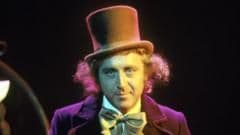
Netflix's Wonka Show Sparks Controversy Over AI-Recreated Gene Wilder Voice
A new Netflix Wonka series is drawing mixed reactions after using AI to recreate the voice of the late Gene Wilder, raising fresh questions about AI in entertainment.

Netflix's Wonka Series Reignites AI Voice Debate
A forthcoming Netflix production centered on the beloved Wonka universe is generating significant controversy after announcing it will feature an artificially intelligence-generated recreation of Gene Wilder's iconic voice — reigniting an ongoing debate about the ethical boundaries of AI in the entertainment industry.
The Show and Its AI-Powered Twist
The series, titled Wonka's The Golden Ticket, draws inspiration from Roald Dahl's classic children's story and will challenge contestants through a series of Wonka-themed trials and temptations, culminating in a grand final prize. To capture the spirit of the original 1971 film, the production has incorporated a digitally recreated version of Wilder — who famously portrayed the eccentric chocolatier before his passing in 2016.
The AI voice replication was handled by audio technology company ElevenLabs and was carried out with the full blessing of Wilder's estate. His widow, Karen B. Wilder, publicly expressed her enthusiasm for the project, stating she was "delighted" that the series honors the imaginative legacy her late husband brought to the beloved role.
Fan Backlash and Mixed Reactions
Despite the estate's approval, the announcement has been met with notable pushback from a segment of Wilder's devoted fanbase. Critics took to social media to voice their disappointment, with some labeling the decision "disrespectful" and dismissing the AI rendition as "a plastic substitute" for the real thing.
"In the end, it still sounds like every robotic AI voice you have ever heard," one unimpressed viewer commented online.
Others drew satirical comparisons to the now-infamous "Willy's Chocolate Experience" — a live event held in Glasgow in 2024 that went viral for spectacularly failing to meet audience expectations. "Perhaps the Wonka experience was better than this," one commenter quipped, referencing the much-ridiculed event.
A Growing Industry Trend
The controversy surrounding Wonka's The Golden Ticket is far from an isolated incident. The entertainment world has seen a growing number of attempts to resurrect the voices of deceased public figures through AI technology.
In October 2024, the son of the late British chat show legend Sir Michael Parkinson publicly defended the use of AI to replicate his father's voice for a new interview-style podcast series. Around the same time, Disney drew attention for its digital recreation of James Earl Jones's voice as Darth Vader in the 2022 television series Obi-Wan Kenobi.
Where Should the Industry Draw the Line?
Jocelyn Burnham, a specialist in AI's application within arts and culture, suggests that entertainment studios are currently in an exploratory phase — actively "testing the waters" to gauge how much audiences will tolerate when it comes to AI-driven performances.
She pointed to the Disney-Jones collaboration as evidence that viewers are not inherently opposed to all forms of AI recreation. However, she cautioned that there remains no clear or agreed-upon set of industry standards governing where acceptable use ends and exploitation begins.
Burnham emphasized that the more iconic or cherished a voice or character is, "the more scrutiny the resulting product is likely to face" — a sentiment that appears to be playing out in real time with the Wonka backlash.
As AI continues to push boundaries in film, television, and beyond, the question of when honoring a legacy crosses into compromising it remains very much unresolved.