NASA Artemis II Crew Returns Home Safely After Historic Moon Mission
Four astronauts aboard the Orion spacecraft splashed down in the Pacific Ocean after completing NASA's first crewed lunar mission in over 50 years.
NASA Artemis II Completes Successful Splashdown in Pacific Ocean
NASA's Artemis II mission has come to a triumphant close, with the Orion spacecraft — named Integrity — making a flawless landing in the Pacific Ocean off the coast of San Diego, California, at approximately 5:07 p.m. Pacific Time. All four crew members were confirmed to be in safe and healthy condition following what NASA officials described as a "perfect" splashdown.
The Crew Behind the Historic Journey
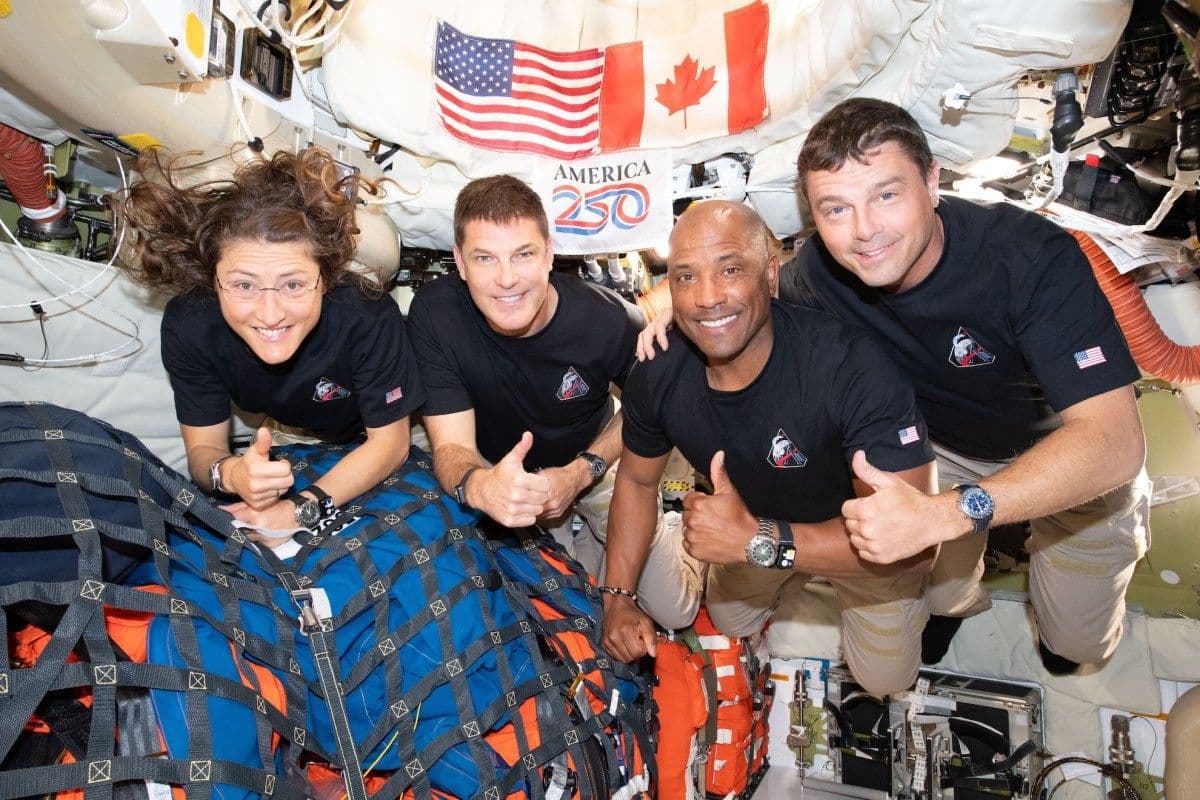
The mission brought together a highly accomplished quartet of space explorers: Commander Reid Wiseman, Pilot Victor Glover, and Mission Specialists Christina Koch and Jeremy Hansen. Three of the four crew members represented the United States, with Hansen serving as Canada's representative on the mission. From launch to landing, the team spent just over nine days in space — a duration NASA officially rounded up to a 10-day mission.
Pushing the Boundaries of Human Space Exploration
Artemis II marked a defining moment in modern space history, representing NASA's first crewed journey to lunar orbit in more than half a century. The crew shattered previous distance records, venturing an estimated 252,760 miles from Earth — farther than any humans have ever traveled before.
During their voyage, the astronauts completed a flyby of the Moon, capturing photographs of previously uncharted regions of the lunar surface. Among the mission's remarkable moments was witnessing a total solar eclipse from space. The crew also identified and named a newly discovered crater after Carroll Wiseman, the late wife of Commander Reid Wiseman, who passed away from cancer in 2020.
NASA Leadership Celebrates a 'Perfect Mission'
NASA Administrator Jared Isaacman, himself a seasoned commercial astronaut with two private orbital missions to his name, was effusive in his praise following the successful landing.
"These were the ambassadors to the stars that we sent out there," Isaacman said. "I can't imagine a better crew. It was a perfect mission."
Taking to social media platform X, Isaacman also underscored the broader significance of the achievement, framing it as a renewed commitment by the United States to deep space exploration.
"America is back in the business of sending astronauts to the Moon and bringing them home safely," he wrote, adding that while the mission carried real and acknowledged risk, its success paves the way for even more ambitious endeavors ahead.
What Comes Next for NASA's Lunar Program
Artemis II was a crewed test flight of NASA's Space Launch System (SLS) and the Orion spacecraft — two cornerstone technologies for the agency's long-term lunar ambitions. With this milestone successfully achieved, NASA is now positioned to move forward with plans that include returning astronauts to the lunar surface, constructing a permanent Moon base, and laying the groundwork for future deep space missions beyond the Moon.