Mona Khalil: The Lebanese Conservation Pioneer Killed by an Airstrike on Her Coastal Home
Renowned Lebanese ecologist Mona Khalil, who dedicated her life to protecting sea turtles along Lebanon's Mediterranean coast, has died following an Israeli airstrike on her home.

A Life Dedicated to the Sea and Its Creatures
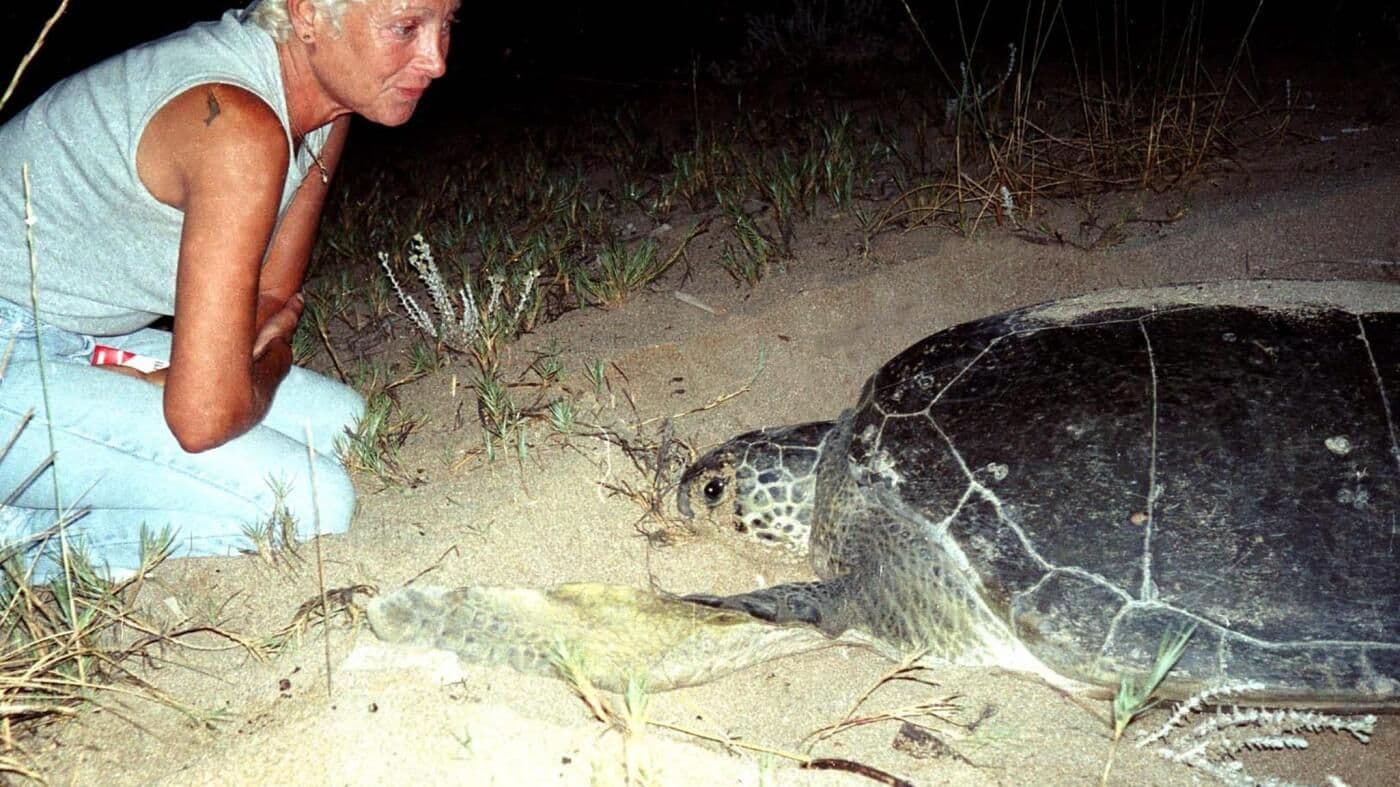
For roughly 25 years, Mona Khalil made it her mission to protect one of nature's most ancient and vulnerable travelers — the sea turtle. The 76-year-old Lebanese conservationist and ecologist passed away on Friday, two weeks after an Israeli airstrike struck her beachside residence in southern Lebanon. Her death marks the loss of a pioneering environmental voice whose work reshaped how an entire generation of Lebanese citizens understood and valued their natural coastline.
Khalil's journey into conservation began in an almost serendipitous way. According to a long-time volunteer familiar with her story, she was relaxing on the beach with a drink when a female green sea turtle, in the process of laying eggs, inadvertently showered her with sand. That unexpected encounter sparked a lifelong passion that would eventually give rise to one of Lebanon's most enduring ecological movements.
The Orange House: A Beacon of Marine Conservation
Khalil operated from a distinctive coastal property known simply as "the Orange House," located just steps from al-Mansouri beach near the city of Tyre. Over the years, the building evolved from her personal residence into a multifaceted environmental hub — a guesthouse for ecotourism, an educational space for visiting children, and a dedicated observation point for monitoring sea turtle activity along the shore.
At the time of the airstrike, the only occupants of the Orange House were Khalil and her Ethiopian housekeeper. While Khalil sustained injuries that ultimately proved fatal, her housekeeper survived with less severe wounds, according to family members. The Israeli military, when contacted by NPR, stated it had no immediate indication that it had struck the property and noted that a review of its records was underway.
Building a Movement from the Sand Up
Following her memorable first encounter with a sea turtle, Khalil wasted no time immersing herself in the science and strategy of marine conservation. She reached out to European turtle protection organizations, absorbed as much knowledge as she could, and returned to Lebanon armed with data-collection methods, monitoring techniques, and an infectious sense of purpose.
She went on to train an entire generation of environmental volunteers, teaching them to identify and safeguard clutches of turtle eggs laid under the cover of darkness during late summer nights. Volunteers would protect the nests with wire mesh barriers and then carefully guide the newly hatched turtles toward the ocean — a critical intervention given that hatchlings face roughly a one-in-a-thousand chance of surviving to adulthood due to threats including ocean pollution, human encroachment, and natural predators.
Rami Khachab, a 32-year-old herpetologist who grew up in al-Mansouri, recalls joining Khalil's volunteer program during his high school years. Before sunrise, he and other volunteers would walk the beaches alongside Khalil, methodically searching for fresh nests. That early experience, he says, shaped his entire career trajectory.
A Fighter for the Coast
Khalil's conservation efforts extended well beyond sea turtles. She was a vocal opponent of beach privatization and coastal overdevelopment, and she successfully championed a ban on the use of dynamite in local fishing practices — a campaign that drew fierce resistance from those with competing economic interests.
"Mona was a fighter. She did not like diplomacy. There were times when they shot at her house," said Fadia Joumaa, a Lebanese journalist who initially approached Khalil for an interview but ended up spending years as one of her dedicated volunteers. Joumaa eventually took over the turtle conservation initiative after Khalil retired in 2020.
Khalil's persistence paid off in a lasting way: the turtle nesting grounds she fought so hard to protect were eventually recognized as an officially designated community-based conservation area, a testament to her decades of advocacy.
A Legacy Written in Sand and Sea
The environmental organization Green Southerners honored Khalil's memory with a statement underscoring the depth of her impact: "Through the Orange House, she inspired generations of Lebanese to value and protect their natural heritage and coastal ecosystems. Her work made her one of Lebanon's most respected voices for marine conservation and biodiversity protection."
The group also called for accountability for those responsible for Khalil's death and the deaths of other civilians caught in the ongoing conflict. Israel has maintained a military presence in southern Lebanon as part of its campaign targeting Hezbollah fighters and infrastructure. Lebanese health authorities report that more than 4,000 people have been killed since hostilities escalated, including hundreds of women and children.
Khalil had reportedly refused to evacuate her home despite the escalating violence, telling those close to her that she believed her status as a civilian, combined with the absence of any military targets nearby, would keep her safe.
Joumaa remembers her mentor's words as a guiding philosophy that went far beyond turtle conservation: "She always told me: Defend the beach, defend the turtles, defend your country."
Those words now serve as the enduring legacy of a woman who spent a quarter century doing exactly that.