Meningitis Vaccine Shortage Hits Crisis Point as Desperate Parents Flood Pharmacies
A meningitis B outbreak in Kent has triggered a nationwide scramble for vaccines, leaving pharmacies overwhelmed and stocks critically depleted.
Vaccine Shortage Grips UK as Meningitis Outbreak Spreads Fear
Parents across the UK are making frantic calls to pharmacies in a desperate bid to secure meningitis B vaccinations for their children, following a severe outbreak in Kent that has claimed two lives and left 13 people critically ill. The sudden surge in demand has all but wiped out available vaccine supplies, leaving pharmacies unable to source stock from wholesalers.
University of Kent at the Centre of an 'Unprecedented' Outbreak
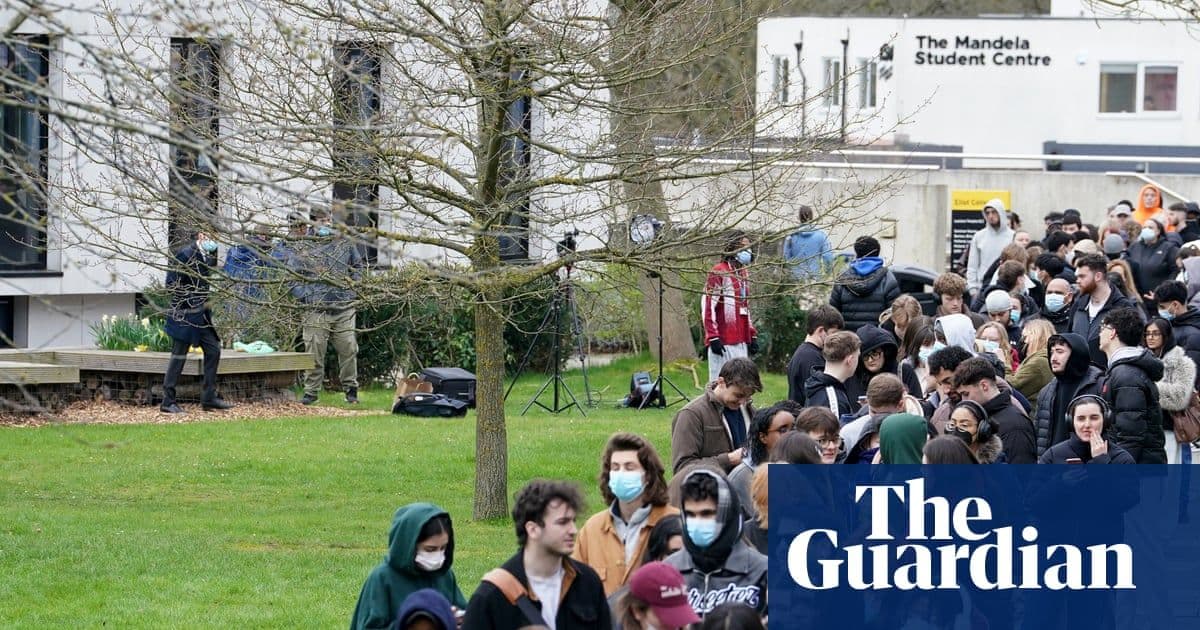
Students residing in halls of residence at the University of Kent in Canterbury are being prioritised for vaccination as health authorities work urgently to contain what Health Secretary Wes Streeting has labelled an "unprecedented" outbreak of the rare but potentially fatal infection.
Dr Gayatri Amirthalingam of the UK Health Security Agency (UKHSA) confirmed there is currently no evidence of the infection spreading beyond Kent, reassuring the public that those living outside the region face no immediate elevated risk. Nevertheless, the UKHSA has been managing the situation as a national incident since it first emerged late last week.
Authorities are conducting intensive contact tracing to track down everyone who may have come into contact with the 15 confirmed cases. One of those affected, a University of Kent student, reportedly travelled to London over the weekend, fell ill, and sought medical treatment at a London hospital on Sunday or Monday — a development that has added urgency to the investigation.
Pharmacies Overwhelmed as Demand Vastly Outstrips Supply
According to a rapid survey conducted by the National Pharmacy Association (NPA), nearly nine in ten pharmacies — 87% — reported a dramatic spike in enquiries from parents seeking the meningitis B vaccine for their children.
Many families are paying upwards of £200 per child for private vaccination. Boots, for instance, is currently charging £220 for the required two-dose course. One Berkshire pharmacy owner described receiving 30 to 40 calls within just two hours, with callers growing increasingly anxious and agitated.
NPA Chair Olivier Picard stated plainly that demand is "far exceeding supply," forcing pharmacy teams to manage severely limited stock while turning away worried families. Ordinarily, demand for the MenB vaccine at pharmacies is minimal — typically restricted to travellers visiting countries that require it as an entry condition. The Kent outbreak has changed that picture entirely.
Raj Matharu, Chair of Community Pharmacy London, described the situation as reaching a critical tipping point. "People are becoming increasingly desperate to access the meningitis vaccine," he said, noting that pharmacy teams across the capital are being inundated with calls and walk-in visits. He added that the primary wholesalers supplying pharmacies have indicated the vaccine is simply unavailable, creating a dangerous gap in provision at the worst possible time.
Why So Many Young People Are Unvaccinated
The MenB vaccine was introduced into the NHS childhood immunisation programme in 2015 and is currently only administered to babies. This means a significant portion of the population — including school-age children, teenagers, and young adults — have never received it and are not covered under any NHS scheme.
This gap has sparked widespread calls for the government to extend vaccination eligibility. The Meningitis Research Foundation has urged the NHS to introduce a routine MenB vaccination programme for teenagers and young adults, arguing that cost should never be an obstacle when lives are at stake. The foundation noted that meningitis leaves one in five survivors with permanent, lifelong disabilities.
The National Union of Students echoed this demand, calling on both the NHS and individual universities to offer the vaccine to all students free of charge. NUS President Amira Campbell said: "There should never be a cost barrier to life-saving vaccines. No lives should be lost to a preventable illness."
Dr Leyla Hannbeck, Chief Executive of the Independent Pharmacies Association, called on the NHS to urgently commission pharmacies to vaccinate all teenagers and students born before 2015, warning that "there is not a moment to be lost."
Government Reviews Vaccination Eligibility
Health Secretary Wes Streeting has asked the Joint Committee on Vaccination and Immunisation (JCVI) to re-examine eligibility criteria for meningitis vaccines, potentially opening the door to wider access. However, the JCVI had previously ruled out a catch-up campaign for young people who missed the MenB vaccine before 2015, citing concerns over cost-effectiveness.
Experts Urge Caution Over Private Vaccinations
Despite the public anxiety, medical experts are advising against panic-buying the meningitis B vaccine privately at this stage.
Professor Adam Finn, a paediatric vaccination specialist at the University of Bristol, explained that neither of the two MenB vaccines currently available in the UK covers all strains of meningococcal B bacteria. It remains unclear whether either vaccine would offer effective protection against the specific strain driving the Kent outbreak.
Furthermore, Prof Finn noted that vaccine-induced immunity can take several weeks to develop — by which time the current outbreak is likely to have run its course. "There's really nothing much to be gained," he said, warning that a rush to vaccinate could generate significant disruption without meaningful benefit. He urged the public to trust health authorities to identify the right vaccine and administer it to the right people if broader vaccination becomes necessary.
Antibiotics and the Role of Vaping
In parallel with vaccination efforts, some parents have sought emergency antibiotic prescriptions from GP surgeries and pharmacies. Four dedicated centres in Canterbury are currently providing antibiotics to those who may require them.
Investigators are also examining how the bacteria spread so rapidly among those affected. Speculation has emerged that the sharing of vapes may have played a role in transmission, prompting health experts to issue a firm warning: e-cigarette users should never share their devices with anyone.