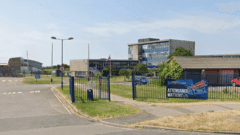
Meningitis B Cases Confirmed Among Weymouth Youth Spark Urgent Vaccination Drive
Three young people in Weymouth have been diagnosed with Meningitis B, prompting health authorities to launch an emergency vaccination and antibiotic programme across local schools.
Meningitis B Outbreak Prompts Emergency Response in Weymouth
Health authorities have confirmed three cases of Meningitis B among young people in Weymouth, Dorset, triggering an urgent public health response that includes offering antibiotics and vaccinations to thousands of students across the area.
The UK Health Security Agency (UKHSA) confirmed that two of the affected individuals are students at Budmouth Academy in Weymouth, while the third attends Wey Valley Academy. All three cases were confirmed between 20 March and 15 April and have been identified as the same sub-strain of Meningitis B — though crucially, a different sub-strain from the one responsible for the recent deadly outbreak in Kent.
No Confirmed Link Between Schools — Raising Wider Concerns
While the two Budmouth Academy students are known contacts of one another, health officials have confirmed there is no established epidemiological connection between those cases and the Wey Valley case. This absence of a clear link has raised concerns that the infection may be spreading more broadly among young people in the Weymouth area.
All three patients have received medical treatment and are reported to be recovering well.
Vaccination and Antibiotic Programme Rolled Out Across Schools
In response to the confirmed cases, all pupils in Years 7 to 13 attending schools in Weymouth, Portland, and Chickerell are being offered both a single dose of antibiotics and the MenB vaccine. The rollout is being coordinated by UKHSA in partnership with Dorset Council, the NHS, and local health partners.
The programme is being delivered in phases, beginning with Budmouth Academy and Wey Valley Academy. Students at other schools and eligible young people in Weymouth who are not in school will be contacted following the initial weekend phase.
Anyone under the age of 16 must be accompanied by a parent or guardian who can provide consent on their behalf.
What Officials Are Saying
UKHSA Deputy Director Dr. Beth Smout acknowledged that further cases linked to the current Weymouth cluster remain possible and expressed understanding of the anxiety felt by students, parents, school staff, and the broader community.
"This is an additional precaution, and we are following national guidelines to reduce the risk of the infection spreading," Dr. Smout stated. "School pupils and staff should continue to attend school as normal if they remain well."
She emphasised that while the antibiotic offers the most immediate protection, the vaccine provides longer-term defence. However, she noted that two doses are required — administered four to six weeks apart — and that full protection is only achieved after the second dose.
Community Reaction
Local families have expressed a mixture of concern and cautious confidence in the measures being taken. One family told reporters that while the situation was worrying, their school had communicated clearly and was doing everything it could. An NHS worker in the area said she was not overly alarmed but admitted she was keeping a closer eye on her adult children as a precaution.
How This Differs From the Kent Outbreak
Although both outbreaks involve Meningitis B, the Weymouth cases have been confirmed as a different sub-strain from the one that caused the fatal Kent outbreak in March. That incident resulted in 20 confirmed cases and claimed the lives of two young people — 18-year-old sixth-form student Juliette Kenny and an unnamed 21-year-old student from the University of Kent. Thousands of students in Kent are currently being offered a second dose of the MenB vaccine as part of the ongoing response to that outbreak.
Know the Symptoms — Act Fast
Dr. Smout urged the public to remain vigilant and to act without delay if meningococcal disease is suspected. Key symptoms of meningitis and septicaemia include:
- Fever and severe headache
- Rapid or laboured breathing
- Drowsiness or confusion
- Shivering and cold hands or feet
- Vomiting
- A rash that does not fade when pressed with a glass (a key sign of septicaemia)
"If the disease is suspected, seek immediate medical attention — it can progress very rapidly," Dr. Smout warned.
England typically records between 300 and 400 cases of meningococcal disease annually, making awareness and prompt action essential for saving lives.