Meet Isa: The Privacy-First Desk Device That Finally Fixed My Posture
Deep Care's Isa is a $350 offline desk gadget that tracks posture, movement, and hydration — without a camera or internet connection.

A Desk Gadget That Actually Holds You Accountable
Working from home sounds ideal until the reality sets in — your back aches, your water bottle sits untouched, and hours pass without a single stretch. Plenty of apps promise to fix these habits, but they're easy to swipe away and even easier to ignore. Hardware, on the other hand, has a way of demanding attention.
After nearly a decade of refining a home office setup — ergonomic chairs, lumbar cushions, adjustable monitors — one thing remained elusive: consistently good posture. That changed when I started using Isa, a desk device built by Deep Care, a startup founded by three former Bosch engineers based in Germany.
What Makes Isa Different
Isa isn't just another wellness gadget. It monitors posture, hydration habits, ambient light, sound levels, and physical movement — all without a camera and without an internet connection. In an age where smart devices routinely harvest user data, that offline-first design philosophy is a genuine selling point.
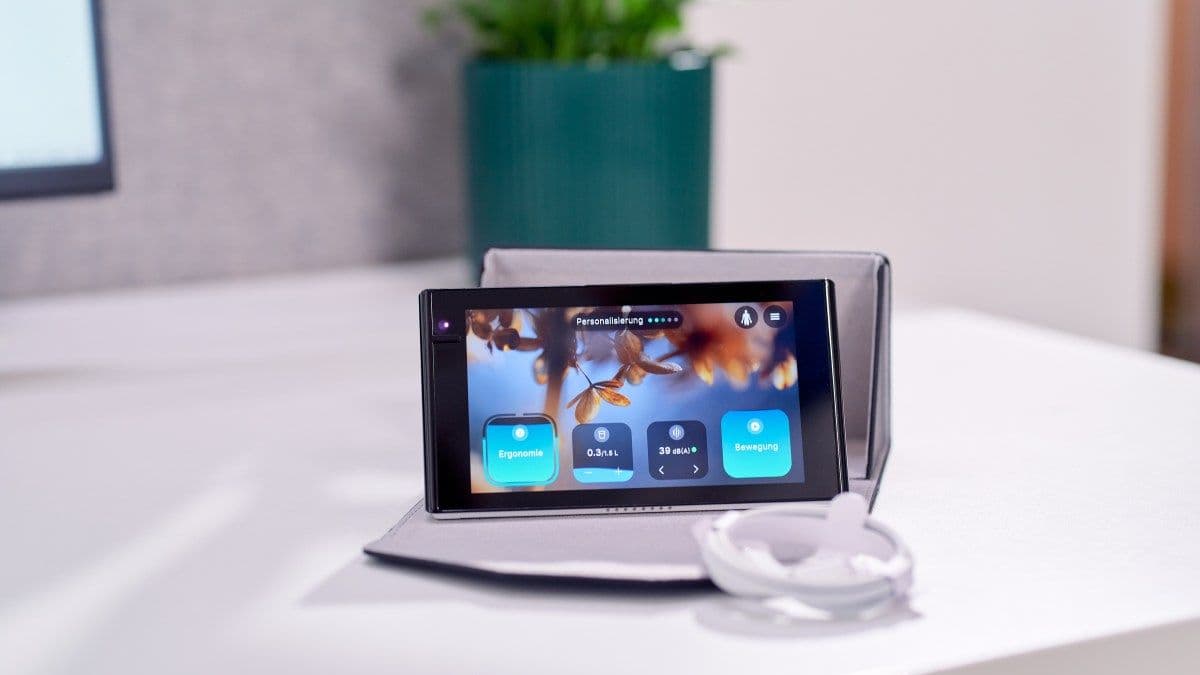
The device resembles a compact table clock, featuring a 5.5-inch IPS HD display and powered through a standard USB-C connection at roughly 2.45W — low enough that any existing charger will do the job.
The Technology Inside
Sensors That Do the Heavy Lifting
At the heart of Isa is a Time-of-Flight (ToF) 3D depth sensor — the same underlying technology found in facial recognition systems and modern smartphone cameras. This sensor handles posture analysis and movement detection across a range of 0.15 to 1.8 meters, meaning it can register whether you're seated, slouched, or standing at your desk.
Beyond the primary sensor, Isa is packed with additional monitoring hardware:
- ToF 1D sensor
- Gyroscope
- Barometer
- Ambient light sensor
- Sound level sensor
- CO₂ and VOC sensor
- Temperature and humidity sensor
All of this processing is handled by a quad-core 2 GHz processor built into the device. Wi-Fi connectivity is available exclusively for software updates and can be disabled at any time.
How It Displays Information
Isa communicates your posture status through a squircle ring on its screen — a rounded square that fills or depletes based on how well you're sitting. When your posture deteriorates, the ring shifts from green to yellow or red. It's a subtle visual cue that proved surprisingly effective in practice; seeing that color change triggered an almost instinctive urge to sit up straight.
A separate widget styled like a water tank tracks your hydration, using the ToF sensor in beta mode to count drinking events. Another widget monitors whether you've been stationary too long, prompting you to stand and guiding you through brief on-device exercises. Once you return to your desk after a break, the movement tracker resets automatically.
The device also vibrates when you've been slouching past a set threshold — a gentle but firm reminder that works better than any phone notification.
Setup and Usability
Getting Isa up and running is relatively painless. The device walks you through entering basic details about yourself and your daily work schedule. One notable gap: at launch, Isa only supports EU and US time zones, leaving users in Asia and other regions without proper local time support. The company has acknowledged this limitation, and broader time zone coverage would be a straightforward improvement worth prioritizing.
Where It Falls Short
Because Isa relies entirely on depth-sensing rather than a camera, it's occasionally fooled by its environment. Objects placed between you and the sensor — a water bottle, a stack of books — can be misread as a person, logging false stationary periods. Pets or household members walking through the sensor's range can trigger similar errors.
Isa typically recognizes when you've left your workspace and switches to a standard clock display, but there's no manual override button to tell the device you've stepped away. Adding a simple physical or on-screen shortcut for this would significantly improve accuracy.
Occasionally, the device flagged prolonged inactivity after less than 30 minutes of sitting — a minor frustration but not a dealbreaker. Overall, these are manageable quirks rather than fundamental flaws.
Pricing and Subscription Model
Isa is priced at €299 (approximately $354) and comes with two subscription tiers:
- Core Plan — €4.99/month: Posture tracking, healthy sitting habits, hydration detection, and access to the exercise library
- Pro Plan — €7.99/month: Everything in Core, plus monitoring of light levels, noise, and CO₂ for a healthier work environment
Deep Care initially sold Isa exclusively to businesses before opening sales to individual consumers — a move that reflects growing confidence in the retail wellness hardware market.
What's Coming Next
Deep Care has signaled ambitions beyond posture correction. The company plans to leverage Isa's sensor suite for mental health and stress tracking, using signals like posture shifts, head movement, and chest movement patterns to estimate breathing rhythms. Combined with environmental data — noise levels, lighting, CO₂ concentration — the goal is to introduce a stress-related wellness score. Whether that feature lands well will depend heavily on accuracy and user trust.
Final Verdict
Isa is not the cheapest solution for improving your desk habits. Between the upfront hardware cost and the ongoing subscription, it's an investment that demands genuine commitment to workplace wellness. But for remote workers who have tried and abandoned apps, stretching reminders, and ergonomic accessories without lasting results, Isa offers something more persistent and harder to ignore.
It's one of the more thoughtfully designed desk wellness devices available today — and if you're serious about protecting your posture and building healthier movement habits, it's worth serious consideration.