Medicare's $50 GLP-1 Weight Loss Drug Program: Everything You Need to Know Before July
Starting July 2026, Medicare enrollees may access popular weight loss drugs like Wegovy and Zepbound for just $50 a month. Here's the full breakdown.

Medicare Is Opening the Door to Affordable Weight Loss Medications
For millions of Americans enrolled in Medicare, a significant shift is on the horizon. Beginning in July 2026, eligible beneficiaries will have access to prescription weight loss medications — including popular GLP-1 drugs like Wegovy and Zepbound — for a flat $50 monthly copayment. This marks a meaningful departure from Medicare's longstanding policy of excluding weight loss treatments from coverage.
What Is the Medicare GLP-1 Bridge Program?
The Centers for Medicare & Medicaid Services (CMS) has launched a short-term initiative called the Medicare GLP-1 Bridge Program, designed to make weight management medications more financially accessible. The pilot runs from July 1, 2026 through December 31, 2027, acting as a temporary bridge while the government works toward establishing a more permanent long-term coverage solution — one that may or may not materialize in 2028.
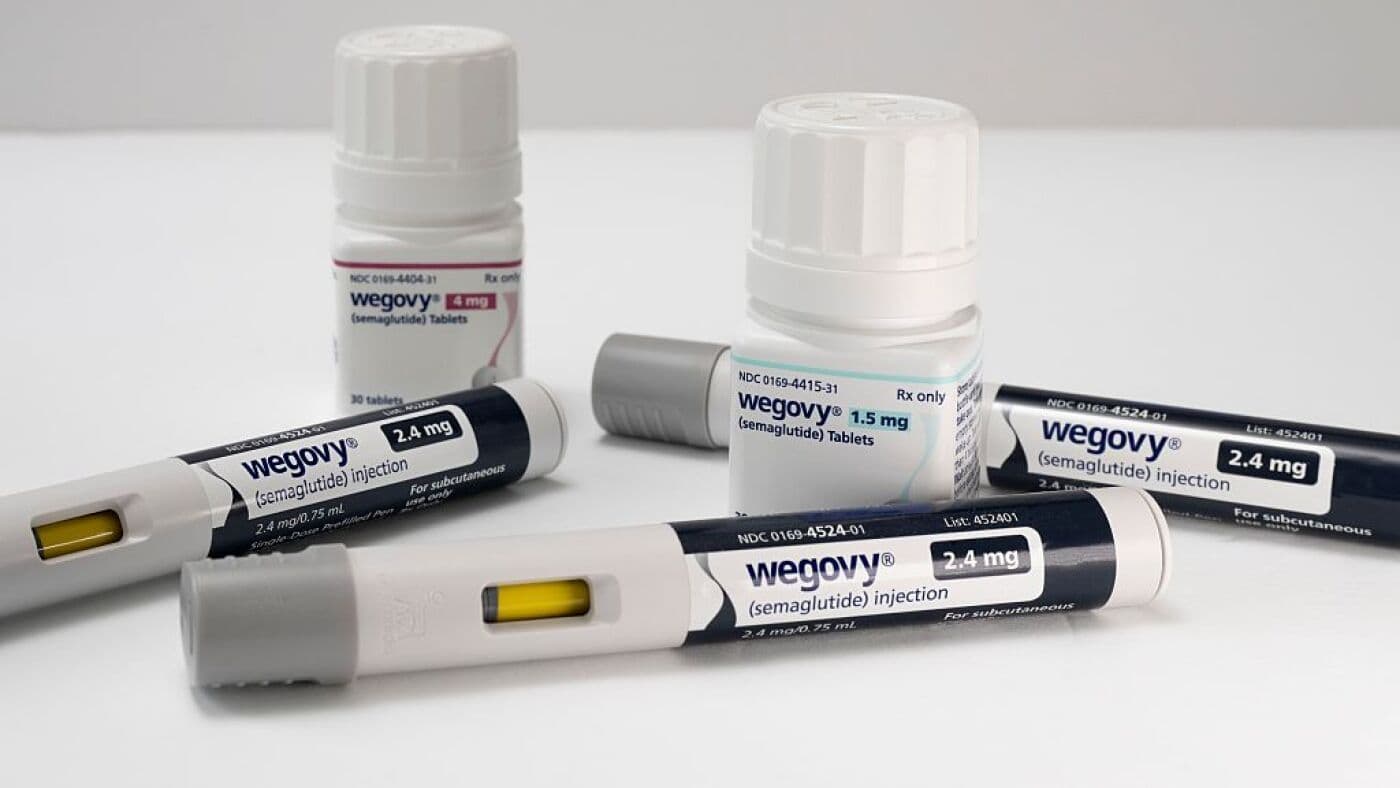
The program covers specific GLP-1 medications that have received FDA approval for weight loss, including:
- Wegovy (both pill and injectable forms)
- Zepbound KwikPen
- Foundayo (pill form)
Why This Matters: The Real Cost of GLP-1 Drugs
These medications are clinically proven to be effective, but their price tags have kept them out of reach for many patients. Even with available discounts, monthly cash prices for GLP-1 drugs typically range from $149 to $699, depending on the medication and dosage. At the highest doses, the daily Wegovy pill can cost up to $299 per month, while the Zepbound KwikPen reaches up to $699 monthly.
According to polling conducted by KFF, approximately half of all GLP-1 users report struggling to afford the medications, with one in four describing the financial burden as "very difficult."
Who Qualifies for the Bridge Program?
Eligibility for the GLP-1 Bridge Program is determined by a combination of insurance enrollment status and health criteria.
Basic Enrollment Requirement
Applicants must be enrolled in a Medicare Part D plan, which covers prescription medications.
Health and BMI Criteria
Once enrolled in Part D, eligibility is based on body weight and existing health conditions:
- Individuals with a BMI of 27 or higher who also have a qualifying condition — such as heart disease or prediabetes — are eligible.
- Those with a BMI of 35 or higher automatically qualify, regardless of other conditions.
For context, roughly 40% of American adults are classified as clinically obese, with a BMI of 30 or above, according to the Centers for Disease Control and Prevention.
How the Program Works at the Pharmacy
The GLP-1 Bridge Program operates differently from a standard Medicare Part D benefit. Rather than routing prescriptions through your regular Part D plan, the program uses a centralized prior authorization system managed by Humana, a CMS contractor.
Importantly, physicians do not need to be registered Medicare providers to write prescriptions or submit prior authorization requests under this program. Once a prescription is approved, patients simply pay the flat $50 copayment at the pharmacy — and that amount stays the same regardless of dosage level, which is a notable advantage for patients who require higher doses to maintain their weight loss.
Important Limitations and Trade-Offs
Despite its benefits, the Bridge Program comes with several significant caveats that enrollees should understand before participating.
Copay Does Not Count Toward Annual Cap
The $50 monthly copayment will not apply to the Part D deductible, nor will it count toward the $2,100 annual out-of-pocket cap on prescription drug spending. This means beneficiaries won't receive the full protections typically associated with Part D coverage.
Low-Income Subsidy Exclusion
Beneficiaries who receive the Medicare Extra Help (low-income subsidy) program cannot use that assistance for medications covered by the GLP-1 Bridge Program. For patients already accustomed to paying $5 or $10 copays under Extra Help, the $50 price point may still represent a substantial financial hurdle.
"Fifty dollars a month sounds like a great deal compared to paying discounted prices through direct-to-consumer options, but it's a lot of money for somebody living on a $750-a-month Social Security check," said Juliette Cubanski, deputy director of the Program on Medicare Policy at KFF.
The Program Has an Expiration Date
The Bridge Program is set to conclude in December 2027. This is particularly concerning given that research consistently shows most people who discontinue GLP-1 medications regain the weight they lost while on them. There is currently no guarantee that a follow-up program will be in place when this one ends.
What If You're Already Taking a GLP-1 Drug?
If you are currently prescribed a GLP-1 medication for a condition such as Type 2 diabetes, cardiovascular disease risk reduction, or sleep apnea, you will continue receiving coverage through your existing Part D plan — not through the Bridge Program. Notably, this could mean paying more than the $50 Bridge copay, as the same drug may carry different costs depending on the medical reason it is prescribed.
If you're already on a GLP-1 specifically for weight loss, you may be able to transition into the Bridge Program. Your prescriber will need to confirm that you met the clinical eligibility criteria at the time you originally started the medication.
The Financial Impact on Medicare
The Bridge Program was originally planned as a six-month initiative, after which a longer-term model would transfer drug costs from the federal government to private insurers. However, a study revealed that the long-term plan would cost insurance companies billions of dollars in its first year alone. With insufficient insurer participation by the April deadline, CMS extended the Bridge Program to 18 months.
This extension is expected to carry a heavy price tag for Medicare. While CMS has not released official cost projections, analysts at KFF estimate the program could cost the federal government billions of dollars annually.
"This will just cost additional money, and we don't know how much, because they haven't disclosed it," Cubanski noted.
A prior KFF analysis estimated that close to 14 million Medicare beneficiaries were overweight or obese in 2020, suggesting demand for the program could be substantial.
Bottom Line
The Medicare GLP-1 Bridge Program represents a historic — if temporary — step toward making effective weight loss medications accessible to millions of Americans. While the $50 copay is a dramatic reduction from current market prices, the program's limitations, its uncertain future, and its potential strain on federal resources make it a complex and evolving policy story worth watching closely.