Medical Misogyny Is Still Failing Women of Color — And the New Health Strategy Must Do Better
The UK's relaunched women's health strategy signals progress, but deep-rooted inequalities tied to race, culture, and access remain largely unaddressed.

A Welcome Step, But Far From Enough
The UK government's decision to relaunch its women's health strategy has been met with cautious optimism by many advocates. While the initiative signals a willingness to confront long-standing issues within the healthcare system, critics argue that the underlying causes of health inequality remain stubbornly intact — and that for women of color, the situation is particularly dire.
Vanessa Haye, a health advocate based in Chislehurst, Kent, acknowledges the strategy's intent but questions its depth. In her view, the system may appear to be listening, but structural barriers that have historically silenced marginalized women are still very much in place.
The Staggering Reality of Women's Healthcare Gaps
The strategy does confront several critical issues that women have been raising for years. Gynaecology referral waiting lists have grown so long they would span over 191 miles if patients were made to queue in person. Medical gaslighting — the dismissal or minimization of women's symptoms by healthcare professionals — continues to result in delayed diagnoses and prolonged suffering.
Systemic bias within clinical settings remains a persistent problem, one that disproportionately affects women who are already vulnerable due to socioeconomic status, cultural background, or ethnicity.
Women of Color Are Being Left Behind
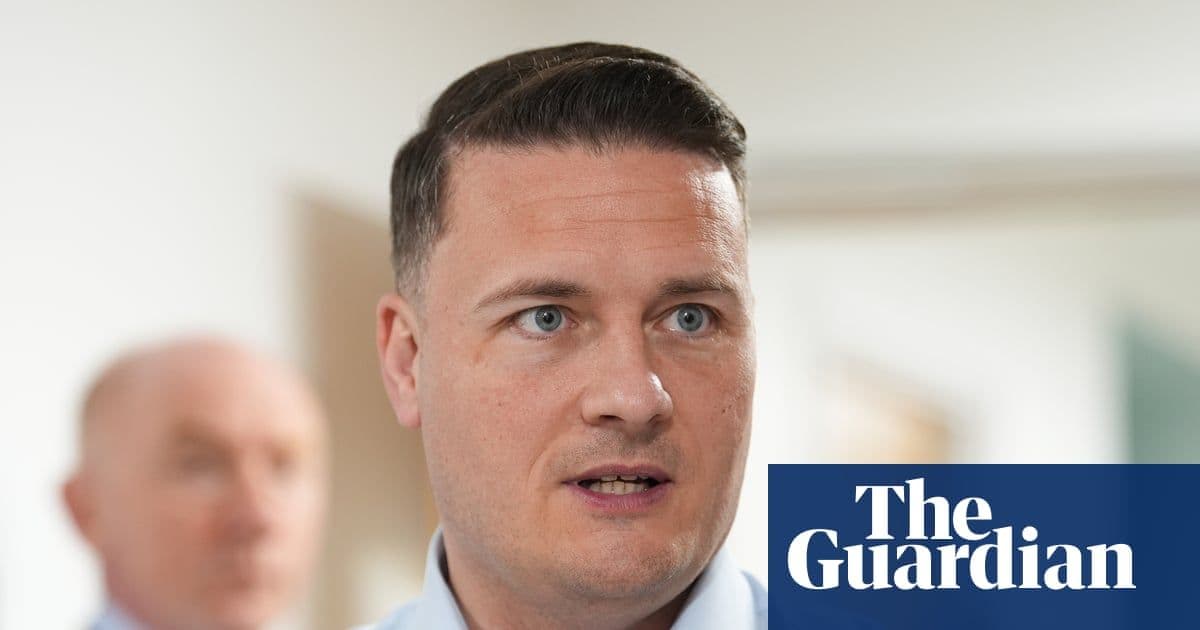
Despite Health Secretary Wes Streeting's stated commitment to ensuring every woman's voice is heard, many women of color remain unconvinced. Reproductive health outcomes for ethnic minority women have seen little meaningful improvement, even as advocacy and outcry have grown louder over the years.
The experiences of these women paint a troubling picture. A common scenario involves visiting a GP with debilitating period pain, only to be told the symptoms are normal and handed a prescription for contraceptive pills. For many, it takes decades of repeated dismissal and medical gaslighting before a formal diagnosis — often of a chronic condition the woman had suspected all along — is finally made.
This is not an isolated story. It is the lived reality of thousands of women, including Haye herself, who spent years navigating a system that consistently failed to take her seriously.
Ethnicity and Access Still Define Who Gets Heard
At the heart of this issue is a difficult truth: ethnicity, culture, and access to healthcare continue to determine who is believed, how quickly their concerns are acted upon, and what outcomes they ultimately receive. Without directly confronting these inequalities, any health strategy risks simply replicating the very disparities it claims to be solving.
Technology-driven solutions, often referred to as femtech, have been proposed as part of the answer. While innovation in this space holds genuine promise, it is not automatically equitable. When funding and development opportunities are concentrated among specific groups or founders, the resulting products may not serve the full diversity of women's needs.
Policy, too, is only as effective as the people shaping it and the direction in which it is steered.
Misogynoir Must Be Named and Addressed
If the government is truly committed to tackling medical misogyny at its roots, advocates argue that it must go further — explicitly recognizing and addressing misogynoir, the specific intersection of racism and sexism that disproportionately harms Black and ethnic minority women within healthcare systems.
Building systems that are genuinely inclusive and reflective of the full spectrum of women's experiences is not merely an idealistic goal — it is a medical and moral necessity. Without this, the relaunched strategy risks becoming another well-intentioned initiative that falls short for those who need it most.