Landmark DNA Mapping of Endangered Monkey Opens New Front in Wildlife Protection
Scientists have achieved a world first by fully sequencing the genome of a Barbary macaque, unlocking a powerful tool to combat poaching and illegal wildlife trade.
Scientists Decode Monkey DNA in Conservation Breakthrough
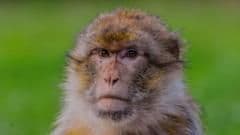
Researchers in the United Kingdom have accomplished what they are calling a global first — successfully mapping the complete genetic code of a Barbary macaque, a rare and endangered primate species. The historic achievement centers on a monkey named Crinkle, a resident of Trentham Monkey Forest in Stoke-on-Trent, Staffordshire, and experts believe it could fundamentally transform how conservationists protect vulnerable species worldwide.
Who Is Crinkle and Why Does Her DNA Matter?
Crinkle is no ordinary monkey. As the first Barbary macaque ever to have her entire genome sequenced, she has become an unlikely hero in the battle against wildlife extinction. Until this breakthrough, scientists lacked a complete genetic reference for her species — a gap that severely limited their ability to monitor wild populations, assess genetic diversity, or trace the origins of animals caught up in illegal trafficking networks.
Matt Lovatt, Park Director at Trentham Monkey Forest, described the significance of the achievement in personal terms. "Knowing that her DNA could help protect Barbary macaques from poaching and illegal trade is something truly special," he said. "Crinkle represents not just our forest, but a species facing real threats in the wild."
A Master Key for Conservation Science
Scientists involved in the project have described the newly decoded genome as a "master key" — one that opens previously locked doors in conservation research. Using this genetic blueprint, researchers have already traced Crinkle's ancestry to wild populations living near Ifrane National Park and Khenifra National Park in Morocco, two of the most critical remaining strongholds for the species.
This ability to pinpoint geographic origins is particularly significant in the fight against wildlife crime. When trafficked animals are seized by authorities, identifying where they were originally taken from has historically been extremely difficult. With a complete genetic reference now in place, scientists can cross-reference DNA samples and potentially determine the exact wild populations from which stolen animals were removed.
"If this kind of science can help identify where trafficked animals have been taken from, it becomes a powerful tool in the fight against wildlife crime," Lovatt added. "Ultimately, it gives us a better chance of protecting these incredible monkeys in the wild."
A Species Under Serious Threat
The urgency behind this research is underscored by the precarious state of Barbary macaque populations. Dr. Patrick Tkaczynski of Liverpool John Moores University, one of the researchers involved in the project, noted that the species once roamed freely across much of the Mediterranean region. Today, however, surviving populations are confined to a handful of isolated pockets scattered across North Africa and the British Overseas Territory of Gibraltar.
Habitat destruction, human encroachment, and the illegal pet trade have all contributed to a dramatic decline in numbers, pushing the species toward endangered status. Without intervention — both on the ground and at the genetic science level — their future remains uncertain.
Changing Conservation Forever
Researchers are optimistic that genome sequencing of this kind will set a precedent for how the scientific community approaches the protection of endangered species going forward. A complete genetic reference allows experts to monitor inbreeding, assess population health, and design more effective breeding and reintroduction programs.
"We're incredibly proud that a Barbary macaque from Trentham Monkey Forest is at the heart of such a groundbreaking scientific achievement," said Lovatt. The team believes the methodology pioneered through Crinkle's sequencing could be replicated for other at-risk species, potentially amplifying its conservation impact far beyond a single monkey in Staffordshire.
For Crinkle herself, life at Monkey Forest continues as usual — but her contribution to science may well echo through generations of Barbary macaques yet to come.