Kneecap Rapper Escapes Terrorism Trial as High Court Throws Out CPS Appeal
Mo Chara of Irish rap group Kneecap will not stand trial on terrorism charges after London's High Court upheld a ruling dismissing the case on legal grounds.

Kneecap Rapper Cleared of Terrorism Charge After High Court Ruling
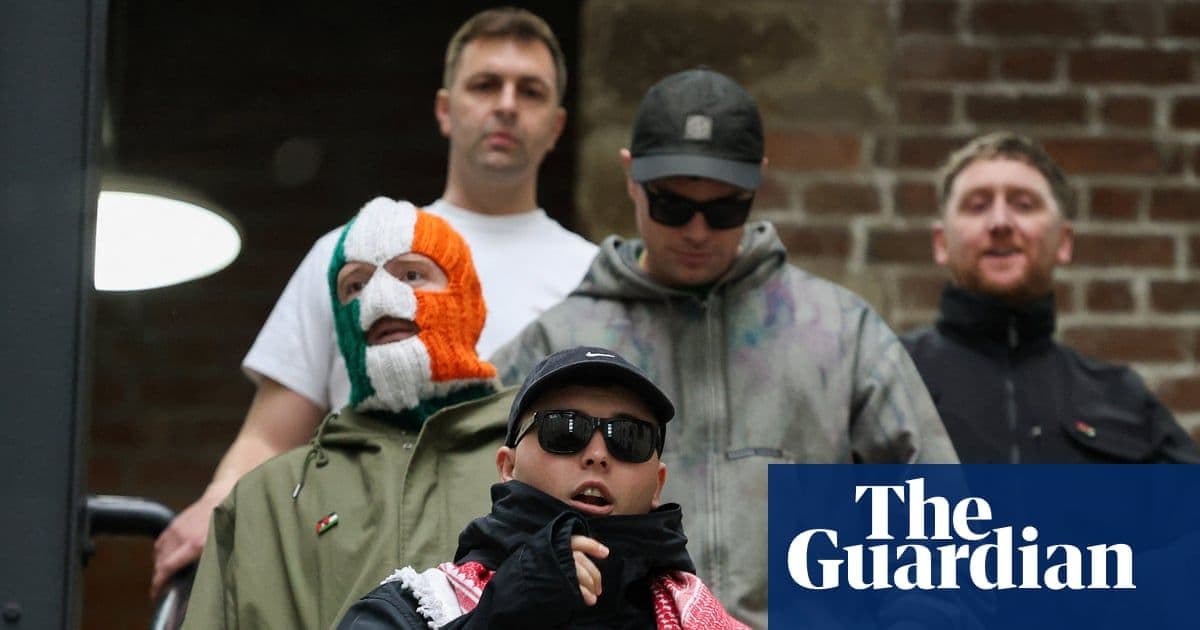
Liam Óg Ó hAnnaidh, the Kneecap rapper who performs under the stage name Mo Chara, will not face a terrorism trial following a landmark High Court decision in London. The court rejected an appeal by the Crown Prosecution Service, confirming that the case against the 28-year-old rapper had been lawfully dismissed.
The Allegations Behind the Case
Ó hAnnaidh had been charged with a terrorism-related offence for allegedly displaying a flag belonging to Hezbollah — a proscribed organisation — during a live performance at the O2 Forum in Kentish Town, north London, in November 2024. The charge carried serious legal implications, placing the rapper at the centre of a high-profile legal battle that attracted widespread public attention.
How the Case Unravelled
The legal proceedings began to collapse last September when Chief Magistrate Paul Goldspring dismissed the case, citing a procedural error in how the charge had been filed. Goldspring had earlier determined that prosecutors were required to obtain consent from the Attorney General before proceeding with the charge. That consent was granted the following day — on 22 May — but Ó hAnnaidh's legal team successfully argued that this delay pushed the charge beyond the legally permitted six-month window for bringing such proceedings.
Two senior High Court judges, Lord Justice Edis and Justice Linden, reviewed the CPS appeal and ruled against it on Wednesday, affirming Goldspring's original decision that the charge was unlawful.
In their 13-page judgment, the judges stated: "The judge was right to hold that he had no jurisdiction to try any summary-only offence alleged to have been committed on that date."
The ruling was careful to note that the outcome "turned on a very narrow and technical legal issue and has nothing to do with whether the respondent committed the offence set out in the charge." Lord Justice Edis added that it was a matter of concern that the case — which both the Director of Public Prosecutions and the Attorney General had considered met the full code test for crown prosecutors — would never be determined on its merits.
"The respondent has not been tried for his alleged conduct and will not be tried," the judgment concluded. "He has not been convicted, and he has not been acquitted."
Kneecap's Reaction: Defiant and Political
Kneecap, the Irish-language rap trio known for their outspoken political stances and provocative artistry, wasted no time celebrating the outcome. On their official Instagram account, the group posted: "Get in!!!!!! Kneecap: 3 Brit Govt: 0. The world's biggest terrorists are the leaders of the British state. Free Palestine. Free the six counties."
At a press conference held in Belfast, Ó hAnnaidh deflected attention away from himself and toward the ongoing conflict in Gaza. "This is bigger than us," he said. "Whatever kind of stress that we felt, it's minimal compared to the stress put on the families in Gaza. We'll continue to use whatever platform we have to talk about Gaza."
He acknowledged that the legal battle had cost the band performance opportunities but made clear that Kneecap would not be silenced. "We don't give a fuck about the repercussions any more," he said, holding up a sign reading "I'm a free mawn!" — a playful nod to the distinctive Belfast accent.
Outside the press conference, supporters gathered waving Irish and Palestinian flags alongside a banner reading "saoirse don Phalaistin" — Irish for "freedom for Palestine."
Political and Legal Voices Weigh In
Sinn Féin MP for West Belfast, Paul Maskey, criticised the decision to pursue an appeal in the first place. "It was another attempt to silence an artist who has been steadfast in putting the spotlight on a genocidal Israel that various governments, including the British government, have aided and abetted," he said. "This case was never about public safety or the proper administration of justice."
Kneecap's solicitor, Darragh Mackin of Phoenix Law, was equally pointed in his assessment. In a statement, he said: "The rule of law cannot be clearer. The prosecution of Mo Chara was unlawful from its very inception."
Mackin described the case as "a legally laughable witch-hunt" that was "born at Coachella, cultivated in Westminster, and comes to an end in West Belfast," adding that taxpayer money would have been better spent elsewhere than on what he called an "expensive circus."
CPS Accepts the Judgment
Following the ruling, a CPS spokesperson acknowledged the decision and its implications for future cases. "The High Court has clarified how the law applies to the issuing of written charges in summary offences where Attorney General permission was required for the Director of Public Prosecutions to consent to a prosecution," the spokesperson said. "We accept the judgment and will update our processes accordingly."