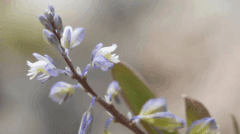
Kentish Milkwort Defies Extinction With Remarkable Sevenfold Population Surge
A once-vanishing wildflant has staged a stunning comeback in Kent, with over 1,200 plants now thriving thanks to a decade-long conservation effort.

A Wildflower Steps Back From the Edge
In a remarkable conservation success story, the Kentish milkwort — a delicate wildflower that came dangerously close to disappearing forever — has made a dramatic recovery. Wildlife experts are celebrating a sevenfold increase in the plant's population, marking one of the most encouraging botanical comebacks in recent UK history.
A total of 1,245 naturally self-sown specimens have now been recorded at Queendown Warren, a nature reserve located near Sittingbourne in Kent. This site now holds the largest known population of the species anywhere in the United Kingdom.
A Decade of Dedicated Conservation Work
The recovery did not happen by chance. It is the direct result of a sustained, collaborative conservation programme spearheaded by the Kent Wildlife Trust, working alongside The Species Recovery Trust, the Royal Botanic Gardens at Kew, and a dedicated network of local volunteers.
The Kentish milkwort had been in serious trouble for years. Once distributed across two separate populations — one in northern England and another in Kent — the species had dwindled alarmingly to just a small number of plants spread across three sites in Kent by 2013. The situation was critical enough to trigger urgent intervention.
Saving Seeds to Save a Species
Conservationists responded by carefully harvesting seeds from the healthiest surviving plants and transporting them to the Royal Botanic Gardens at Kew. There, a secure seed bank was established, ensuring the species could be preserved and propagated without placing additional stress on the fragile wild population.
Between 2018 and 2019, further seed collections were carried out, enabling the cultivation of new plants specifically intended for reintroduction into the wild. The results have exceeded expectations, producing what area warden Rob Pennington described as an "incredible" outcome.
What Comes Next for the Kentish Milkwort
Conservation teams are not resting on their achievements. Looking ahead, the project will focus on maintaining the open, disturbed ground conditions that the Kentish milkwort depends on to thrive. One innovative approach involves deploying pigs at Queendown Warren, as their natural rooting behaviour creates and sustains the type of exposed soil the plant needs to self-seed successfully.
Plans are also in place to introduce the species to additional chalk grassland sites across Kent, broadening its foothold and securing its long-term survival in the region.
Rob Pennington expressed optimism about the road ahead: "We hope the population will continue to spread in the coming years and eventually become a donor site, allowing us to collect seed for future restoration work at other suitable locations."
A Blueprint for Plant Conservation
The story of the Kentish milkwort offers an inspiring model for how targeted, science-led conservation efforts — combined with community involvement and institutional expertise — can pull a species back from the very brink of extinction. As biodiversity loss continues to threaten ecosystems worldwide, successes like this serve as a powerful reminder of what dedicated effort can achieve.