Kent Meningitis Outbreak Shows Signs of Slowing as Vaccination Efforts Intensify
Health officials report just two new cases in a single day, suggesting the Kent meningitis outbreak may have reached its peak. Here's what experts are saying.
Kent Meningitis Outbreak May Have Peaked, Officials Say
Health authorities are cautiously optimistic that the meningitis outbreak centered in Kent may be turning a corner, after just two new cases were reported on Friday — a significant slowdown compared to earlier in the week.
According to the UK Health and Security Agency (UKHSA), figures recorded by 12:30pm on Thursday placed the total number of cases at 29, comprising 18 confirmed and 11 probable infections. Of the confirmed cases, 13 were identified as meningitis B. Despite the apparent deceleration in new infections, officials stressed that the situation remains a serious public health concern, as every confirmed case has required hospitalization.
Vaccination and Antibiotic Response Ramps Up
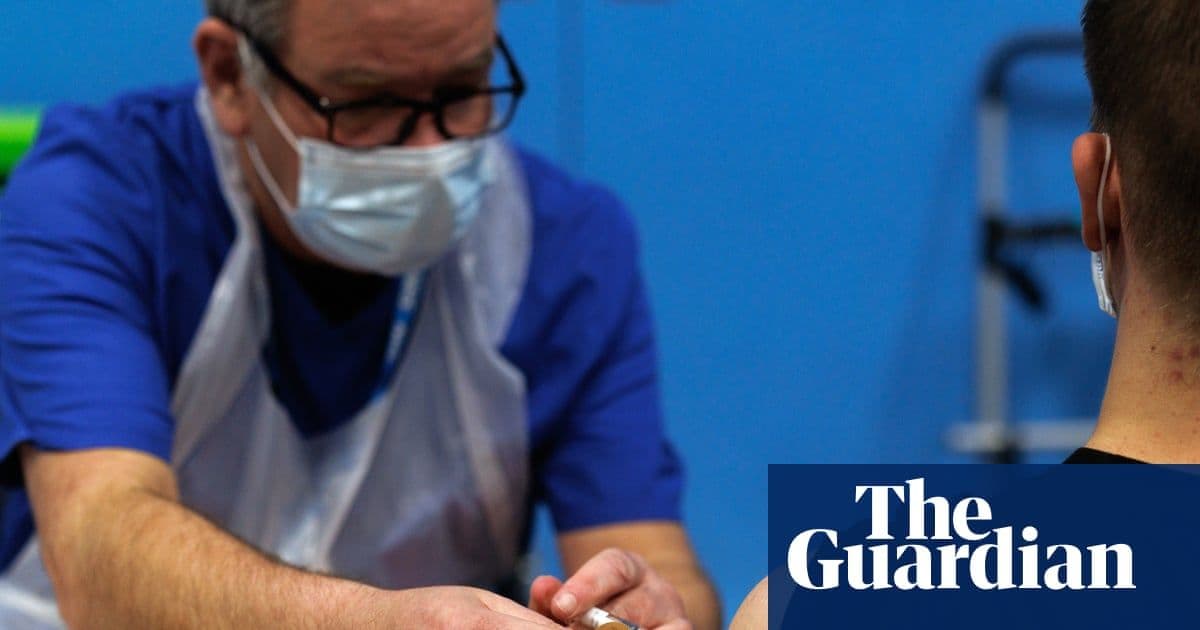
By Thursday evening, approximately 2,630 vaccinations had been administered to individuals connected to the outbreak, with nearly 9,840 antibiotic doses distributed. The swift public health response has been a key element in efforts to contain the spread of the disease.
UKHSA confirmed that initial genetic testing indicates the Bexsero vaccine — currently being offered across the affected area — should offer protection against the specific strain of MenB identified in this outbreak. Officials noted: "The strain belongs to a group of bacteria known as group B meningococci, sequence type 485, belonging to the larger clonal complex ST-41/44. Similar strains have been present in the UK for approximately five years."
Scientists Race to Decode the Bacterial Strain
Researchers are conducting deep genetic analysis of the outbreak strain to determine whether any mutations may have made it more transmissible or more likely to cause severe illness. Officials explained that this process is highly complex — the genome of this particular bacterium is roughly 100 times larger than that of the Covid-19 virus, making analysis considerably more time-consuming.
Preliminary findings from Professor Brendan Wren, a specialist in microbial pathogenesis at the London School of Hygiene & Tropical Medicine, suggest the strain does not appear to have mutated into a more invasive form — though he cautioned that a full genome sequence review would be needed before drawing definitive conclusions.
Experts Weigh In on Outbreak Trajectory
Paul Hunter, Professor of Medicine at Norwich Medical School, University of East Anglia, pointed out that given the disease's incubation period of up to 10 days, "we can be fairly certain that the peak from the initial super-spreading event will have already passed." However, he warned that secondary cases could still emerge among individuals who had indirect contact with those present at the linked nightclub event.
Dr. Michael Head, Senior Research Fellow in Global Health at the University of Southampton, echoed this sentiment, stating: "Given the extent of contact tracing from public health teams, and the widespread publicity, it is plausible that we are seeing the tail end of this outbreak. The strain appears to have good coverage from the MenB vaccination, so this is also reassuring."
Authorities also acknowledged the importance of remaining vigilant. Officials noted they would continue monitoring both for a potential resurgence of this particular strain and for broader lessons that could improve future outbreak responses.
A Family's Grief and a Call for Change
Amidst the public health response, one family has spoken out about the devastating personal toll of meningitis. Juliette Kenny, a teenager, passed away on March 14th — just one day after exhibiting symptoms that included vomiting and facial discoloration.
Her father, Michael Kenny, described the family's "immeasurable loss" and expressed hope that Juliette's death would lead to meaningful change. The family is now actively campaigning for meningitis B vaccinations to be made routinely available to teenagers and young adults across the UK.
"No family should experience this pain and tragedy," Michael Kenny said, urging policymakers to expand access to the vaccine before more lives are lost.
What Comes Next
Health officials and researchers will continue analyzing the bacterial strain while maintaining contact tracing and vaccination programs. The focus remains on understanding whether anything within the bacteria has changed and on developing stronger prevention strategies for the future. As with all infectious pathogens, experts note there is always more to learn — and that knowledge is the foundation of better protection.