Kent Meningitis Outbreak: Health Officials Confirm the Worst Is Over
UK health authorities say the deadly meningitis outbreak linked to a Canterbury nightclub has passed its peak, though vigilance remains essential.

Kent Meningitis Outbreak Passes Its Peak, Officials Confirm
Health officials in the United Kingdom have announced that the worst phase of a deadly meningitis outbreak connected to a Canterbury nightclub appears to be over. The UK Health Security Agency (UKHSA) confirmed that the crisis has moved past its most critical point, though authorities are urging the public not to let their guard down entirely.
Outbreak Overview and Current Case Numbers
A total of 29 confirmed or suspected meningitis cases have been tied to the Kent outbreak, which has tragically claimed two lives. Following additional laboratory testing, the UKHSA revised its numbers downward — confirmed cases dropped from 23 to 20, while suspected cases were reduced from 11 to nine. No further changes to those figures were reported as of Monday.
Trish Mannes, the UKHSA's regional deputy director for the South East, spoke candidly on BBC Radio Kent, stating that "this peak has passed, absolutely." However, she cautioned that additional cases could still emerge and that a full understanding of the situation requires continued monitoring before any significant optimism is warranted.
Two Young Lives Lost
The human toll of the outbreak has been devastating for the local community. An 18-year-old sixth-form student, Juliette Kenny from Faversham, lost her life, as did a 21-year-old University of Kent student whose identity has not been publicly disclosed. Health Secretary Wes Streeting acknowledged the tragedy on Sunday, praising the "Herculean efforts" of healthcare workers and responders who have been working tirelessly to protect the public.
Impact on the University of Kent Community
For students and staff at the University of Kent, the past week has been deeply unsettling. Kate Bradley, a university lecturer, described the atmosphere as one of grief and anxiety, compounded by the pressures of ongoing academic assessments. She noted that some students are mourning the loss of friends, others have peers currently hospitalized, and many are genuinely fearful for their own wellbeing.
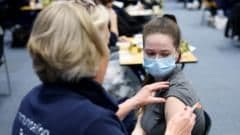
Despite the distress, a sense of cautious relief is beginning to take hold. Abbie Lebbie, who joined a vaccination queue at the university on Monday morning, told the BBC she was feeling "quite relaxed," pointing to the declining case numbers and the swift measures being put in place. Fellow student Josh Collumbell echoed this sentiment, emphasizing that widespread vaccination benefits the entire community, while acknowledging that the deaths of two young people had come as a "huge shock."
Vaccination and Antibiotic Clinics Remain Open
Four dedicated clinics reopened on Monday to offer eligible individuals both vaccines and preventative antibiotics. The locations include:
- University of Kent Sports Centre
- Kent and Canterbury Hospital, Canterbury
- Vicarage Lane Clinic, Ashford
- Faversham Health Centre
To date, more than 10,000 people have received vaccinations and approximately 13,000 have been given preventative antibiotics through the NHS. Mannes confirmed that the continuation of these vaccination centres is being reviewed on a daily basis, with authorities remaining hopeful that uptake will be sufficient to contain further spread from this specific incident.
Students who returned home after the spring term concluded on Friday can access both vaccines and antibiotics through their local GP, the UKHSA confirmed.
The Meningitis B Strain and Vaccination Gap
The outbreak has been attributed to the Meningitis B (MenB) strain. Routine MenB vaccinations were only introduced in 2015, which means that current university students and many individuals in their late teens were not covered under early immunization programs. This gap in protection has left a significant portion of young adults vulnerable — a factor believed to have contributed to the scale of this particular outbreak.
Authorities have so far confirmed that all cases appear to stem from a single exposure event at Club Chemistry nightclub, which has remained closed since the outbreak began. The UKHSA continues to monitor the situation closely as the community works toward recovery.