Israel Strikes Hezbollah as Pressure Mounts on Lebanon to Reclaim Its Sovereignty
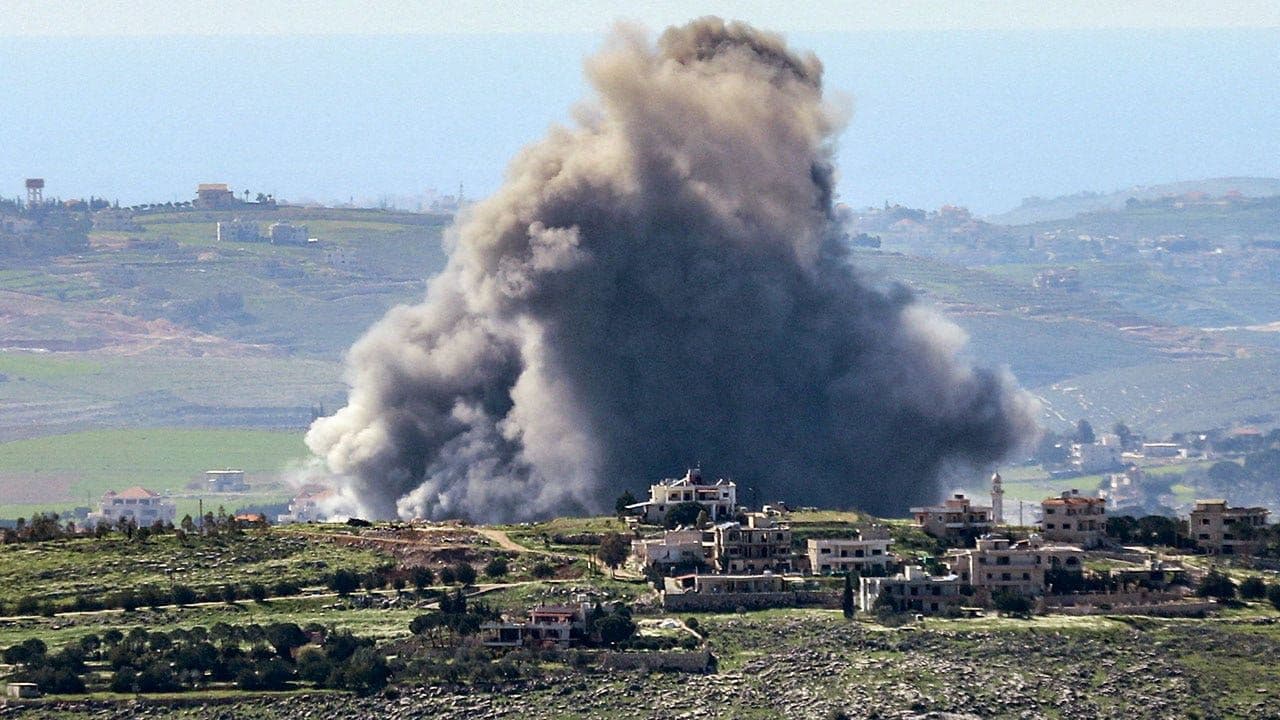
Israeli forces have launched over 200 strikes against Hezbollah targets in Lebanon, reigniting calls for Beirut to finally disarm the Iran-backed militant group.

Israel Intensifies Strikes Against Hezbollah Amid Calls for Lebanese Disarmament
As hostilities between Israel and Hezbollah flare once again, foreign policy experts are urging the Trump administration to push Lebanon toward fulfilling its long-standing obligation to disarm the Iran-backed militant group — before the country is dragged into yet another devastating conflict.
U.S. Experts Urge Washington to Pressure Beirut
David Schenker, former U.S. Assistant Secretary of State for Near Eastern Affairs and current director of the Program on Arab Politics at the Washington Institute for Near East Policy, is calling on Washington to take a firm stance. During the first Trump administration, Schenker played a direct role in shaping U.S. policy toward Lebanon.
"The U.S. should make clear to Lebanon that it is time for the state to honor its ceasefire commitment to disarm Hezbollah," Schenker told Fox News Digital, adding bluntly that if Beirut fails to act, "it will remain a failed state."
His remarks come in the wake of the Israeli Defense Forces launching a sweeping military response after Hezbollah fired rockets and drones into Israeli territory on March 2 — its first attack since a November 2024 ceasefire had halted the previous round of fighting.
Over 200 Israeli Strikes Rock Lebanon
Since hostilities resumed, the IDF has conducted more than 200 strikes across Lebanese territory, targeting Hezbollah's military units, media operations, financial networks, and affiliated operatives. According to a March 5 analysis published by the Foundation for Defense of Democracies' Long War Journal, the strikes represent one of the most intensive Israeli military campaigns against the group in recent memory.
Israeli Defense Minister Israel Katz also issued direct threats against Hezbollah Secretary-General Naim Qassem, signaling Israel's willingness to escalate further if attacks continue.
Lebanon's Government Caught in the Crossfire
The renewed violence has laid bare the deep internal divisions within Lebanon's own government. In recent days, Lebanese officials have publicly demanded Hezbollah stand down and ordered the country's security forces to prevent any further cross-border attacks on Israel.
Yet Schenker cautions against reading too much into these statements. "The Government of Lebanon's latest cabinet vote on Hezbollah disarmament is nothing new," he said. "It is a reiteration of the cabinet decision last August mandating disarmament. The language is perhaps more strident, but the message is the same."
He described the move as a signal of desperation rather than a genuine policy shift. "It reflects the government's frustration over Hezbollah dragging Lebanon into yet another war with Israel, and the Lebanese Armed Forces' failure to take its disarmament mission seriously."
Hezbollah's Actions Caught Officials Off Guard
Reports indicate that Hezbollah's decision to launch attacks on Israel came as a surprise to Lebanese government officials, who claim the group had previously given assurances it would not escalate into a broader regional conflict tied to Iran's strategic ambitions.
Schenker says this episode simply reinforces a truth that has defined Lebanese politics for decades. "The government of Lebanon has never truly tried to control Hezbollah," he said. "The disarmament efforts in southern Lebanon were conducted with Hezbollah's consent and coordinated directly with the militia."
A Shifting Public Mood Inside Lebanon
Despite these long-entrenched dynamics, there are signs that Lebanese public opinion may be turning against Hezbollah in meaningful ways. Videos circulating on social media show Lebanese citizens expressing outrage over the group's actions. In one widely shared clip posted by the Center for Peace Communications, a man speaking to Jusoor News declared: "If Hezbollah leader Naim Qassem wants to commit suicide, let him go do it in Tehran, not Lebanon."
Schenker believes this growing anger could create new political space for action. "The political environment should now be more conducive for the Lebanese Armed Forces to confront Hezbollah," he said, though he acknowledged the fear of internal violence remains. "Increasingly, Lebanese prefer taking that risk and possibly gaining sovereignty than living in a state of perpetual war with Israel."
International Community Weighs In
The escalating crisis has also drawn urgent attention from world leaders. French President Emmanuel Macron reached out to U.S. President Donald Trump, Israeli Prime Minister Benjamin Netanyahu, and Lebanese officials before issuing a public statement on March 5.
"Everything must be done to prevent this country, so close to France, from once again being drawn into war," Macron wrote on X, calling on Hezbollah to "immediately cease its fire toward Israel" while simultaneously urging Israel to refrain from expanding military operations inside Lebanese territory.
David Daoud, a senior fellow at the Foundation for Defense of Democracies, noted that Hezbollah's willingness to attack Israel in defiance of the ceasefire reveals the group's broader strategic calculus — one that prioritizes Iran's regional interests over Lebanon's stability and sovereignty.
The Road Ahead
For analysts watching this crisis unfold, the critical question remains whether Lebanon's government will summon the political will to genuinely confront Hezbollah — or continue tolerating an armed militia that has long operated beyond the reach of state authority. The answer, they say, will determine not only Lebanon's future but the broader balance of power across the Middle East.