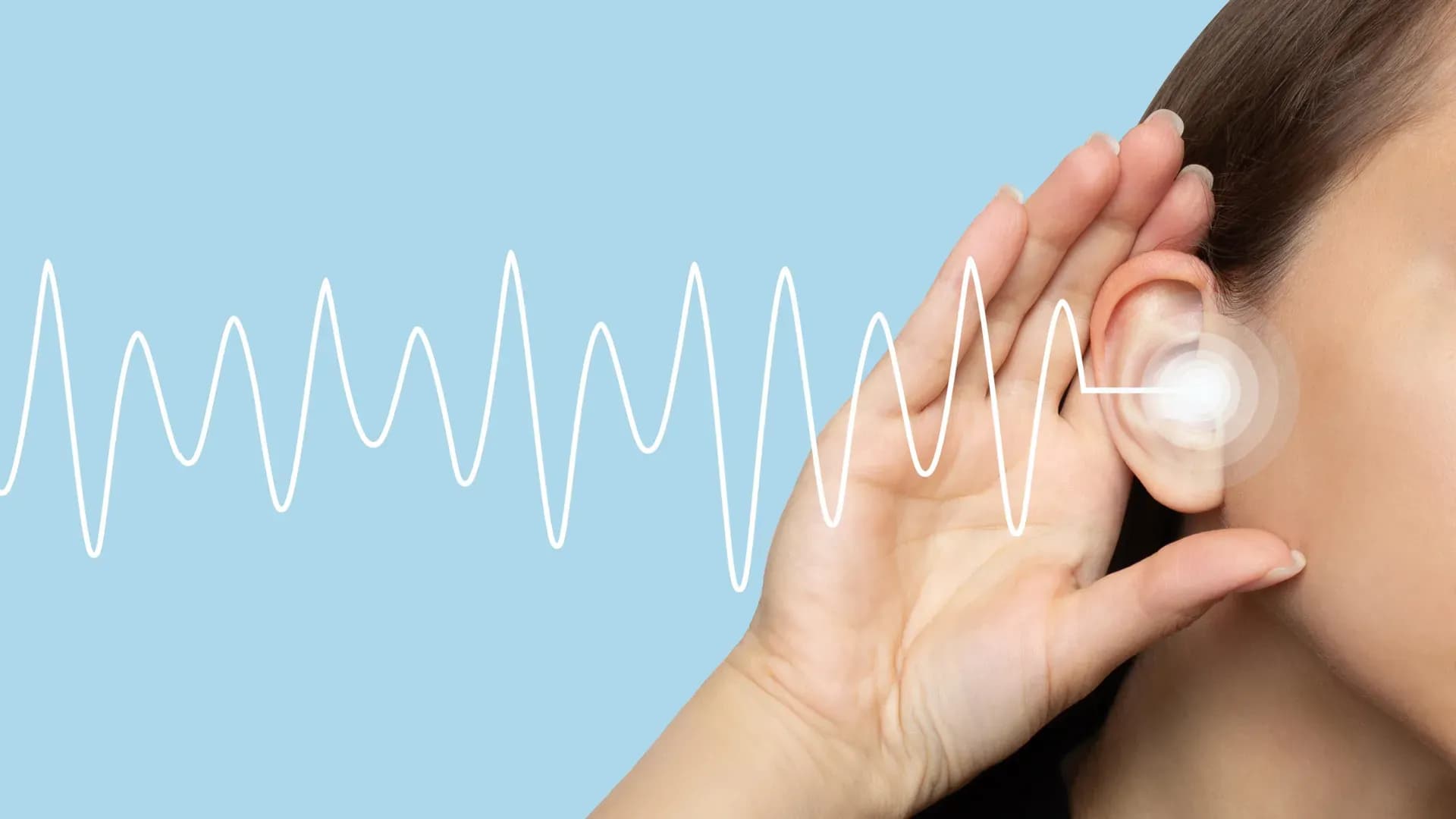
Is That Ringing in Your Ears Trying to Tell You Something?
That persistent buzz or hum in your ears may be more than an annoyance — it could be an early signal of hearing loss that millions of Americans overlook.

The Sound No One Else Can Hear
Most people picture hearing loss as a slow drift into silence. The reality, however, is far more nuanced — and often begins with a sound only you can hear. A persistent ringing, buzzing, or hissing sensation in the ears, known as tinnitus, is frequently one of the first indicators that your hearing health deserves attention.
For Susan Bianco, 87, of Lancaster, the early signs showed up in everyday moments. Conversations with her husband started requiring more repetition. Phone calls grew frustrating. Crowded rooms became overwhelming.
"It's very hard to hear in a crowd," she explained. "I can't understand what one person is saying if other people are talking."
Not long after, a new symptom emerged — a buzzing sound that crept in whenever fatigue set in, growing louder and more persistent over time.
How Common Is This, Really?
Bianco's experience is far from unique. Data from the Centers for Disease Control and Prevention reveals that approximately 13% of American adults live with some degree of hearing difficulty. That figure climbs sharply to 27% among adults aged 65 and older. Meanwhile, roughly 10% of U.S. adults report experiencing tinnitus — a condition closely linked to hearing loss.
Both conditions become more likely with age and cumulative exposure to loud noise. The encouraging news, according to Dr. Jackie Price, an audiologist at Penn State Health Otolaryngology — Head and Neck Surgery, is that proactive choices can make a real difference.
"You can't stop aging, but you can take steps to conserve your hearing and reduce your risk of developing hearing loss and tinnitus," Dr. Price noted.
What Exactly Is Tinnitus?
Tinnitus refers to the perception of sound when no actual external source exists. Those who experience it commonly describe the sensation as ringing, buzzing, hissing, or whooshing — in one or both ears. Some compare it to the drone of cicadas; others liken it to a freight train passing nearby.
For a significant number of people, the noise is relentless and disruptive, undermining concentration, productivity, and overall well-being.
Importantly, these sounds originate not from the surrounding environment but from a breakdown in communication between the auditory system and the brain. Related conditions can compound the problem further — hyperacusis makes ordinary sounds feel overwhelmingly loud, while misophonia provokes intense emotional reactions to specific noises.
What Happens Inside the Ear
At the root of both hearing loss and tinnitus lies damage to the cochlea, the spiral-shaped chamber of the inner ear. Housed within it are microscopic sensory hair cells responsible for converting sound vibrations into neural signals destined for the brain.
Once these fragile cells sustain damage — whether from years of noise exposure, aging, or both — they can no longer relay information accurately. This degraded communication pathway is what generates the phantom sounds characteristic of tinnitus.
The Wider Health Impact
The consequences of untreated hearing loss and tinnitus extend well beyond the ears. Research has connected these conditions to disrupted sleep, diminished concentration, and strained personal relationships. More concerning still, studies indicate that they may accelerate cognitive decline, elevate the risk of depression, and increase the likelihood of falls — making early intervention all the more critical.
How to Protect Your Hearing
The single most effective strategy for safeguarding your hearing is reducing exposure to dangerously loud noise. Dr. Price advises wearing hearing protection any time sound levels surpass 85 decibels — a threshold regularly exceeded at concerts, sporting events, fireworks displays, and during the use of power tools or lawn equipment.
She highlights a common but underappreciated risk: mowing the lawn while listening to music through earbuds.
"It's like a double whammy," she said. "People have the noise from the mower, and then they crank up the music so they can hear it — and then they listen to excess noise for 45 minutes or more, sometimes twice a week."
Choosing and Using Hearing Protection Correctly
Not all ear protection is equally effective. Look for earplugs or earmuffs carrying a Noise Reduction Rating (NRR) of at least 22 decibels — a figure printed on the product's packaging.
Proper insertion matters just as much as the product itself. Dr. Price recommends rolling foam earplugs tightly between your fingers, then pulling gently on your earlobe with the opposite hand to open the ear canal before inserting the plug and allowing it to fully expand. Most foam earplugs are intended for single use to ensure an optimal seal.
Treatment Options Worth Knowing
While no cure currently exists for hearing loss or tinnitus, a range of treatments can meaningfully improve daily life.
For hearing loss, audiologists typically assess the underlying cause and severity before recommending hearing aids or other assistive listening devices to restore communication ability.
For tinnitus, Tinnitus Retraining Therapy (TRT) has shown considerable promise. This structured approach combines targeted counseling — helping patients understand and emotionally process their condition — with sound therapy, which uses soft background noise to redirect attention away from the internal sounds.
The takeaway is clear: that persistent ringing deserves more than dismissal. Treating it as the warning signal it may well be could make a meaningful difference for your long-term hearing and cognitive health.