Iran Threatens European Nations With Retaliation if They Join the Conflict
Tehran's deputy foreign minister issued a stark warning to European nations, declaring they would become 'legitimate targets' if they sided with the US and Israel against Iran.

Iran Issues Direct Warning to European Nations
A senior Iranian official has delivered a stark warning to European governments, stating that any nation choosing to enter the ongoing conflict on the side of the United States and Israel would face direct retaliation from Tehran.
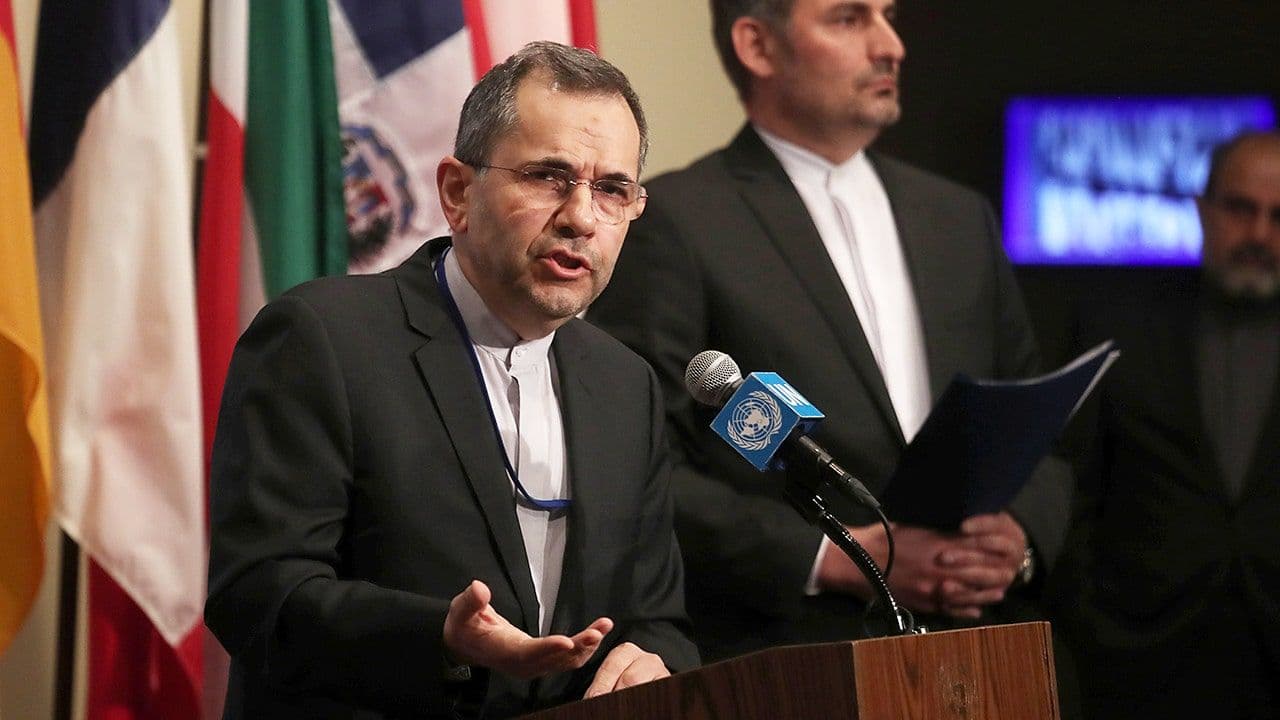
Iran's Deputy Foreign Minister Majid Takht-Ravanchi delivered the warning during an interview with France24, making clear that no country would be exempt from consequences if it chose to take sides against Iran.
"We have already informed the Europeans and everyone else that they must be careful not to get involved in this war of aggression against Iran," Takht-Ravanchi stated. "If any country joins the aggression — joins America and Israel in the aggression against Iran — they will without question become legitimate targets for Iranian retaliation."
He further emphasized that Iran views the conflict as one that has been forced upon the country, asserting that Tehran has both the right and the obligation to defend its people by whatever means necessary.
Iranian President Apologizes to Neighboring Countries
The deputy foreign minister's remarks came on the same day that Iranian President Masoud Pezeshkian issued a public apology to neighboring nations that had been struck by Iranian missile and drone attacks. Speaking in a prerecorded televised address, Pezeshkian expressed personal remorse for the attacks and outlined a new policy directive.
"I should apologize, on my own behalf, to the neighboring countries that were attacked by Iran," the president said, according to the Associated Press. "From now on, they should not attack neighboring countries or fire missiles at them, unless we are attacked by those countries first. I believe this should be resolved through diplomacy."
The apology came after Iran launched a series of strikes targeting Bahrain, Saudi Arabia, the United Arab Emirates, Qatar, and Oman — a wave of aggression that drew widespread regional and international condemnation.
UAE Air Defenses Intercept Iranian Missiles
Despite Pezeshkian's pledges, hostilities continued almost immediately. The United Arab Emirates Ministry of Defense confirmed on Saturday that its air defense systems successfully intercepted 16 ballistic missiles launched toward the country. Of those, 15 were destroyed mid-air, while one fell harmlessly into the sea.
Gulf states also worked in coordination with the United States to intercept hundreds of Iranian missiles and drones, subsequently issuing a joint condemnation of Iran's actions.
Nuclear Talks and Claims of Good Faith
Separately, Takht-Ravanchi addressed the status of Iran's nuclear negotiations with the United States, insisting that Tehran had been engaging honestly in diplomatic talks prior to the launch of Operation Epic Fury by the US and Operation Roaring Lion by Israel on February 28.
"We are sincere in our efforts to reach a peaceful resolution to this matter," he told France24, defending Iran's position at the negotiating table and suggesting that military action had derailed what he described as productive diplomacy.
Regional Tensions Remain High
The combination of ongoing missile strikes, presidential apologies, and escalating military warnings paints a volatile picture of a region on edge. While Iranian leadership publicly signals a willingness to pursue diplomatic solutions, its continued military actions and threats directed at European nations suggest that the path to de-escalation remains deeply uncertain.