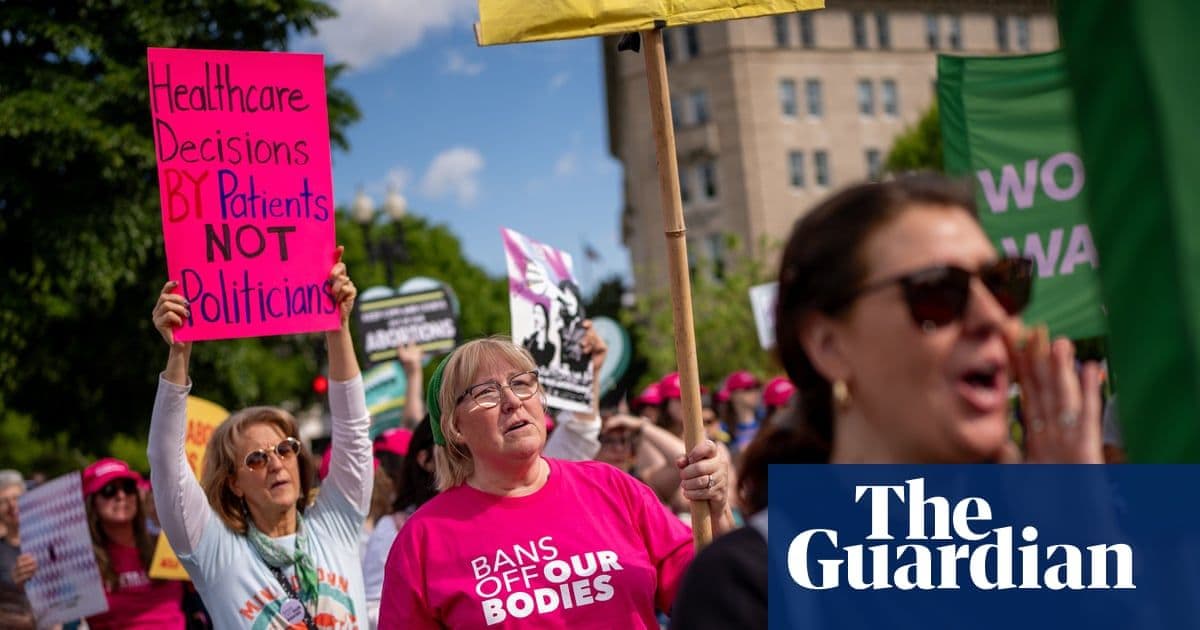
Idaho Voters Could Dismantle One of America's Toughest Abortion Bans This Fall
Idaho's secretary of state has certified a landmark ballot measure that could reverse the state's total abortion ban, putting reproductive rights directly in voters' hands.
Idaho's Abortion Ban Faces a Pivotal Moment at the Ballot Box
Idaho voters will have the opportunity this November to overturn one of the most restrictive abortion bans in the United States. The state's secretary of state officially certified a ballot measure on Monday that, if passed, would eliminate Idaho's current prohibition on abortions at every stage of pregnancy.
How the Measure Made It to the Ballot
The initiative was spearheaded by a volunteer-driven organization known as Idahoans United for Women & Families. Through a grassroots petition campaign, the group collected more than 100,000 signatures — well above the 70,725 required to secure a spot on the November ballot. The strong showing signals significant public interest in revisiting the state's abortion policy.
Importantly, if voters approve the measure, it would establish a new "reproductive freedom" law rather than amend the state constitution directly. This distinction means the law could be more easily revisited by future legislatures, but it also represents a meaningful shift in how Idaho governs reproductive rights.
What the New Law Would Actually Change
Should the measure pass, Idaho's abortion policy would largely return to where it stood before the U.S. Supreme Court's 2022 decision to overturn Roe v. Wade. Under the proposed law, abortions would be permitted up to the point of fetal viability — typically around 21 weeks into a pregnancy. Beyond abortion access, the law would also affirm individuals' rights to make independent decisions regarding contraception and fertility treatments.
Currently, Idaho stands among just six U.S. states where abortion bans contain no exceptions for the health of the pregnant woman or girl. While the existing law does allow abortion to preserve the life of the mother or in cases involving rape or incest, the lack of broader health exceptions has drawn intense criticism from the medical community. Idaho also made history in 2023 as the first state to criminalize assisting a minor in obtaining an abortion without parental consent.
A Crisis for Healthcare Providers
The consequences of Idaho's strict abortion law have reverberated throughout the state's medical community. Numerous physicians who provide pregnancy-related care have reportedly left Idaho, citing the severe criminal penalties associated with performing abortions under the current framework. In 2023, four women took legal action against the state after suffering serious pregnancy complications and being denied access to abortion care — a case that drew national attention to the real-world impact of the ban.
Opposition Is Already Mobilizing
Not everyone welcomes the potential change. David Ripley, CEO of anti-abortion advocacy group Idaho Chooses Life, has announced plans to actively campaign against the ballot measure. Speaking to the Associated Press, Ripley warned that approval of the initiative would have sweeping consequences, effectively nullifying decades of anti-abortion legislation enacted by Idaho's lawmakers over the past 30 to 40 years.
A Broader National Trend
Idaho is not alone in bringing abortion policy before voters this election cycle. Several other states are also recalibrating their positions on reproductive rights ahead of the midterms. Virginia and Nevada — both of which currently permit abortions up to 24 weeks — are exploring constitutional amendments that would formally enshrine abortion rights. Meanwhile, Missouri is moving in the opposite direction, giving voters a chance to restore a previous abortion ban that was overturned through a constitutional amendment in 2024.
As November approaches, abortion remains one of the most closely watched issues on ballots across the country, reflecting an ongoing national reckoning with reproductive rights in a post-Roe America.